How Can I Choose a Cup Filling and Sealing Machine Manufacturer Without Making Expensive Mistakes?
A wrong machine choice can delay launch, waste labor, and cause product leaks. I have seen buyers lose one full season because they trusted a low quote first.
Yes, you can choose the right manufacturer if you verify product fit, hygiene structure, real FAT data, and response speed before payment. Price alone is never enough for stable production.
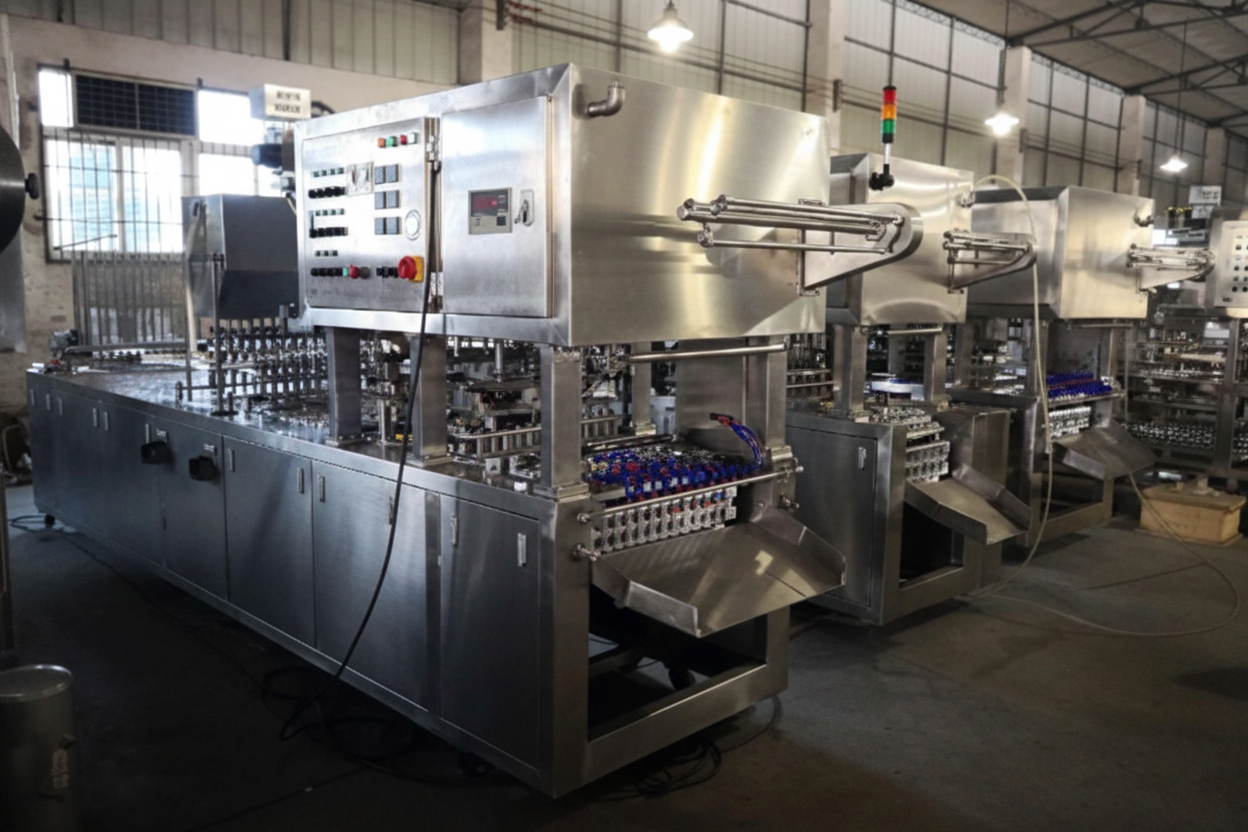
When you buy for yogurt, juice, jelly, or sauce, this is not just a machine purchase. It is a long production decision. I work from factory-side testing and export delivery, so I will share how I judge suppliers in real projects.
What Should I Check First Before Comparing Prices?
A low price looks safe in the first call. Then you install the machine, and cup leakage starts. Then output drops. Then labor cost rises. I have seen this many times.
Check product and package matching first: viscosity1, filling temperature, cup tolerance, film type, and target speed. If these are not matched, a cheaper machine often becomes the most expensive option later.
How I verify project fit before I quote
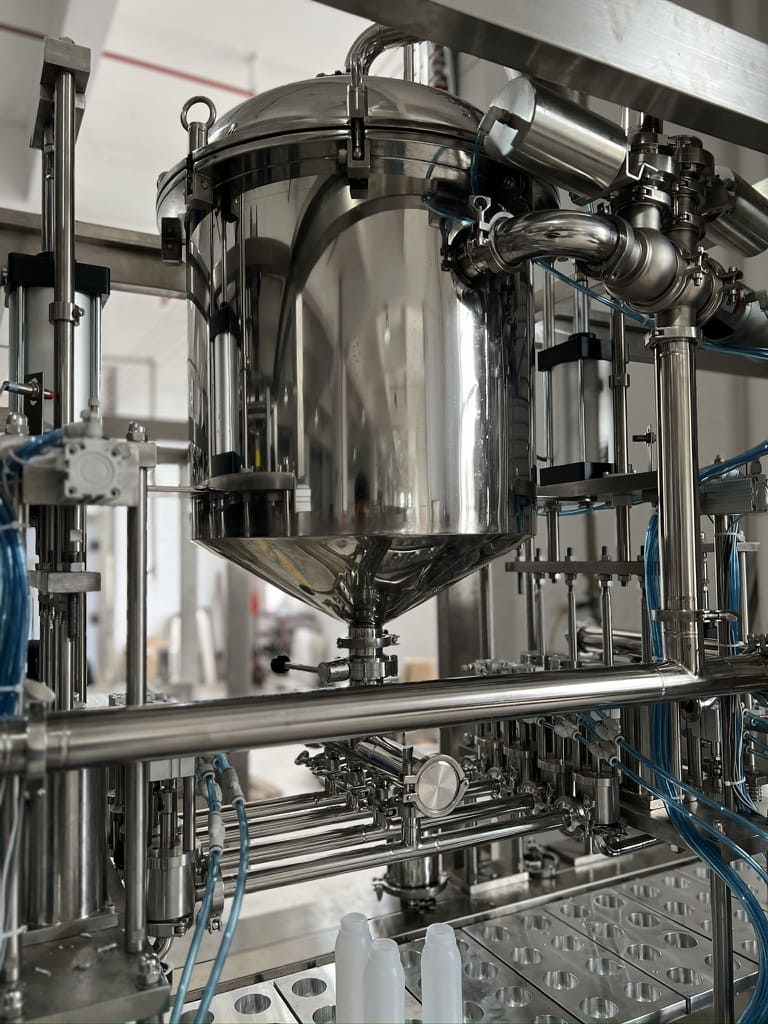
I do not start from machine model. I start from your product behavior. I ask for real samples: product, cup, and sealing film from your normal supplier. Then we run filling and sealing tests in our workshop. This step shows hidden risks early.
In one North Africa dairy project, the buyer asked for top speed in the first week. During test, we found that product foaming rose when filling speed increased. If we forced speed, sealing stability dropped and reject rate increased. So we changed nozzle timing and hold time first. Speed was improved in steps after stable sealing. This gave better monthly output than chasing a high number on day one.
Core checks I always run before recommendation
| Check item | Why it matters | Common buyer mistake |
|---|---|---|
| Product viscosity | Controls flow, drips, and fill repeatability | Sends water sample but mass product is thicker |
| Filling temperature | Affects foam, splash, and seal consistency | Tests at room temp, runs hot in real production |
| Cup tolerance | Affects cup feeding and seal position | Ignores cup size variation between batches |
| Film structure | Affects seal strength and peel quality | Changes film supplier after machine shipment |
| Target output | Affects dwell time and process stability | Requests high speed without test validation |
I also give direct advice when cup filling is not the best route. If your product has unstable particles or frequent recipe changes, nozzle behavior can become unpredictable. In such cases, we may need a different valve setup or a different package format. I prefer to say this before order, not after installation. It protects your project and my reputation.
How Do I Judge Hygiene and Long-Term Reliability?
Many buyers ask me one question: “Is it SS304?” Good question, but this is only the start. Most hygiene trouble comes from structure details, not from one steel grade line in a brochure.
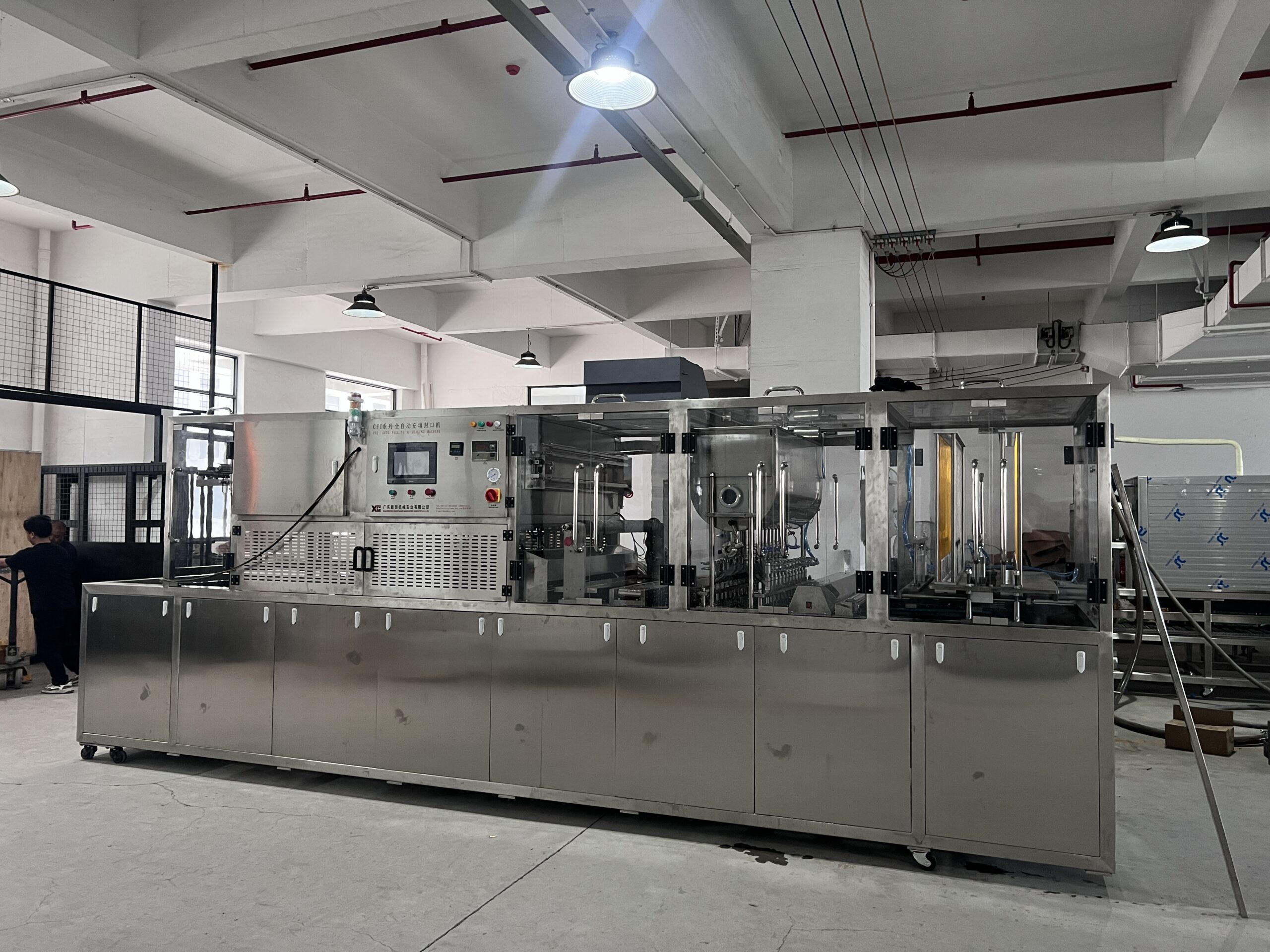
Long-term hygiene depends on dead-angle control, CIP cleaning2, valve design, pipeline slope, and easy cleaning access. Reliability depends on frame rigidity, heat stability, and maintenance convenience.
What I learned from real operation feedback
After shipment, the real test starts. Operators are busy. Shift pressure is real. If cleaning paths are hard to reach, hygiene standards decline over time even with good intentions. So I always review cleaning workflow from operator behavior, not only from engineering drawings.
In one Southeast Asia yogurt project, high humidity and unstable voltage caused random control alarms. The machine structure was fine. The local utility condition was the issue. We added practical panel protection and simple voltage management logic. This was not a “marketing feature,” but it cut downtime quickly. The customer later told me this saved more money than a higher speed option.
Hygiene and durability points I insist on
| Area | Good practice | Risk when ignored |
|---|---|---|
| Product contact path | Smooth transitions, no residue pockets | Product buildup and microbial risk |
| CIP flow route | Clear in/out path with proper valve logic | Incomplete cleaning and long downtime |
| Sealing section | Stable temperature and pressure window | Weak seals, leakage, and complaints |
| Utility separation | Proper separation of wet and electrical zones | Moisture-related failures |
| Wear part access | Fast replacement access | Long stoppage during maintenance |
I also tell buyers when a setup is unsuitable. If your team has limited preventive maintenance ability, do not start with an overly complex layout. Use a stable and serviceable design first. Then scale up after operator discipline is built. If your target market has strict food safety documentation, check alignment with ISO 220003 early, before final layout freeze.
What After-Sales Terms Should I Lock Before Payment?
Many B2B machinery failures are not caused by one bad component. They come from unclear acceptance terms, poor startup handover, and slow problem response after installation.
Before you place order, define support scope in writing: Factory Acceptance Test (FAT)4 criteria, startup checklist, spare parts list, operator training plan, and response SLA. This avoids expensive disputes later.
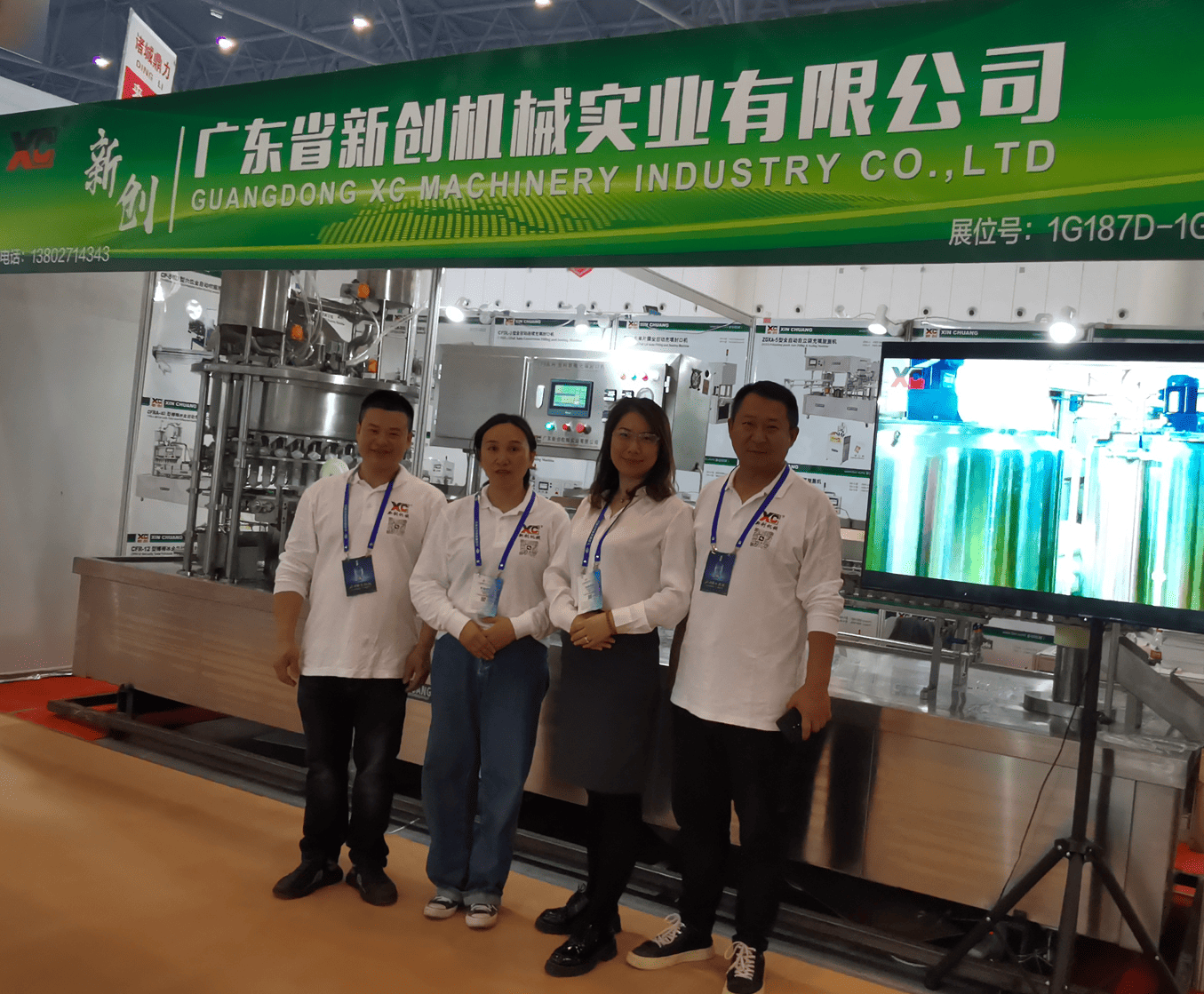
How I structure support to protect both sides
I support projects in India, Bangladesh, Algeria, Saudi Arabia, and Southeast Asia. Time zone, language, and operator background all affect startup speed. So I keep support documents simple and practical. No long theory. Only actionable checkpoints.
In one Middle East sauce project, fill accuracy drift appeared during startup week. The machine was blamed first. But baseline logs showed air pressure fluctuation from plant utilities. Because we had FAT records and startup baseline values, we found the root cause in hours, not days. That prevented conflict and protected delivery timing.
Support framework I recommend for every export project
| Stage | What we provide | What buyer should prepare |
|---|---|---|
| Before shipment | FAT video, data records, packing checklist | Confirm sample and acceptance points |
| Installation prep | Utility and layout review | Stable power, air, water, drainage |
| Commissioning | Baseline parameters and trial targets | Assign fixed operator and technician |
| First 90 days | Fast remote troubleshooting and parts guidance | Weekly production feedback |
| Long-term run | Preventive maintenance plan and upgrade advice | Execute maintenance routine |
I also make one point clear: if your formula changes often, tell us early. A machine tuned for one viscosity range may fail when process conditions shift. This is not a warranty trick. This is process reality. For performance control, I ask customers to track OEE5 weekly and keep hygiene logs. For export compliance planning, I also recommend reviewing 21 CFR Part 1176 where applicable.
How Can I Identify a Manufacturer That Truly Understands My Market?
Many suppliers can send catalogs. Fewer can adapt machines to real factory constraints in emerging markets. This is where project success is decided.
A reliable manufacturer asks about your local utilities, operator skill, spare part access, and climate before giving final configuration. If they only talk about speed and price, be careful.
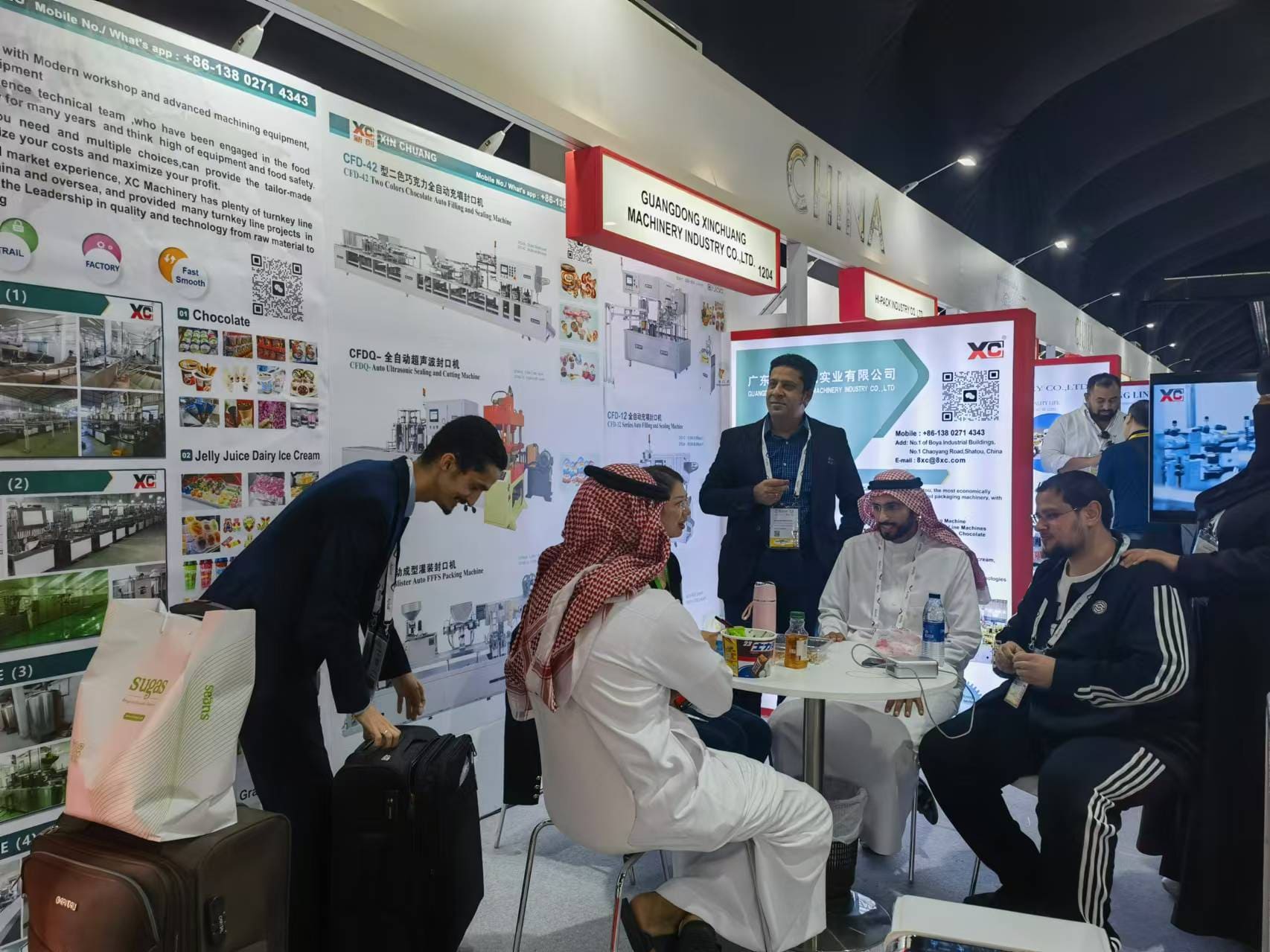
What I check when serving fast-growth markets
For projects in South Asia, Middle East, and Africa, we often see the same pattern: high demand growth, limited technical labor, and variable utility quality. If I ignore these facts, even a good machine can become hard to run.
So I review local conditions first:
- Voltage stability and backup plan
- Compressed air quality
- Water quality for cleaning
- Operator turnover risk
- Expected SKU change frequency
I have seen buyers request multi-format flexibility without considering changeover discipline. Then line efficiency suffers every day. Flexibility is useful, but only if your team can execute setup standards. I prefer a practical format range with stable repeatability instead of “all-in-one” complexity that slows real output.
I also advise buyers to define spare strategy before shipment. Wear parts are predictable. Delays are costly. If high-use parts are not stocked locally, downtime becomes a business risk, not a technical issue.
Conclusion
Choose the manufacturer that proves fit in real tests, states limits honestly, and supports your team after shipment. Stable production wins more profit than headline speed.
-
Viscosity affects filling flow behavior, drip control, and repeatability. ↩
-
CIP (Clean-in-Place) is a structured cleaning method for internal process paths without full disassembly. ↩
-
ISO 22000 provides a framework for food safety management across the food chain. ↩
-
FAT is a pre-shipment acceptance process to verify function and performance against agreed criteria. ↩
-
OEE measures production effectiveness through availability, performance, and quality. ↩
-
21 CFR Part 117 covers cGMP and preventive controls for human food in relevant compliance scenarios.