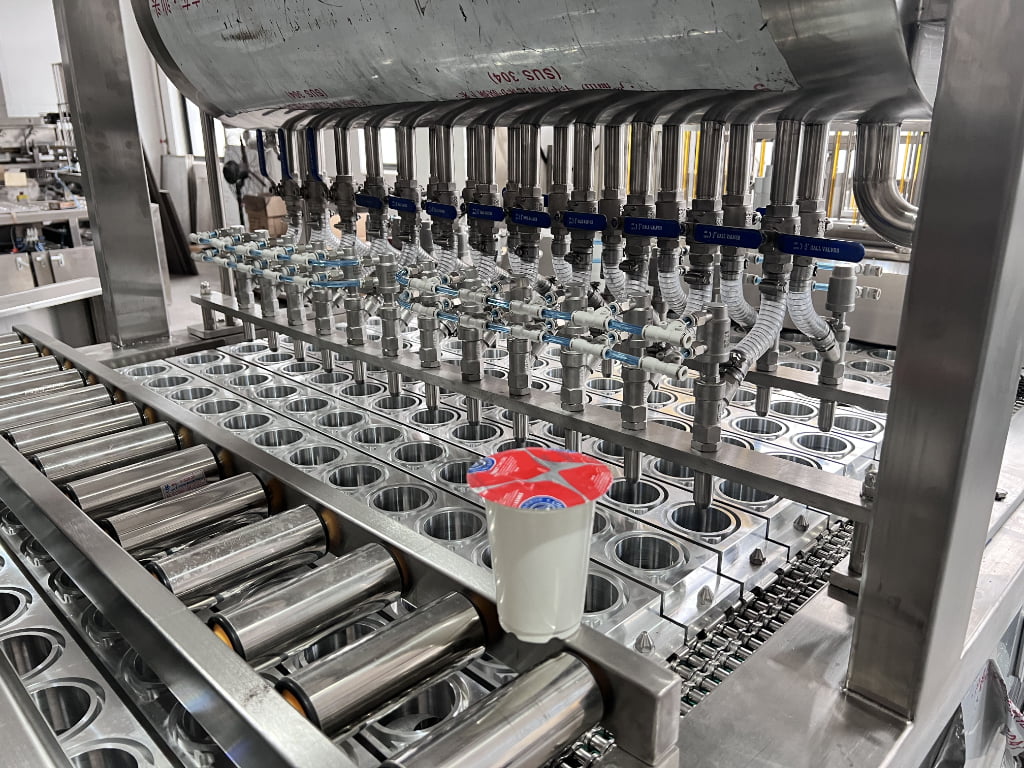
Cup Filling &Sealing Machine.
Packaging systems for yogurt, jelly, milk tea and sauces. We configure the filling and sealing stations around your product, cup and target output.
Shantou, China
floor area
experience
Built around what you pack.
From dairy cups to portion sauces, the cup, recipe and sealing material guide the machine configuration.
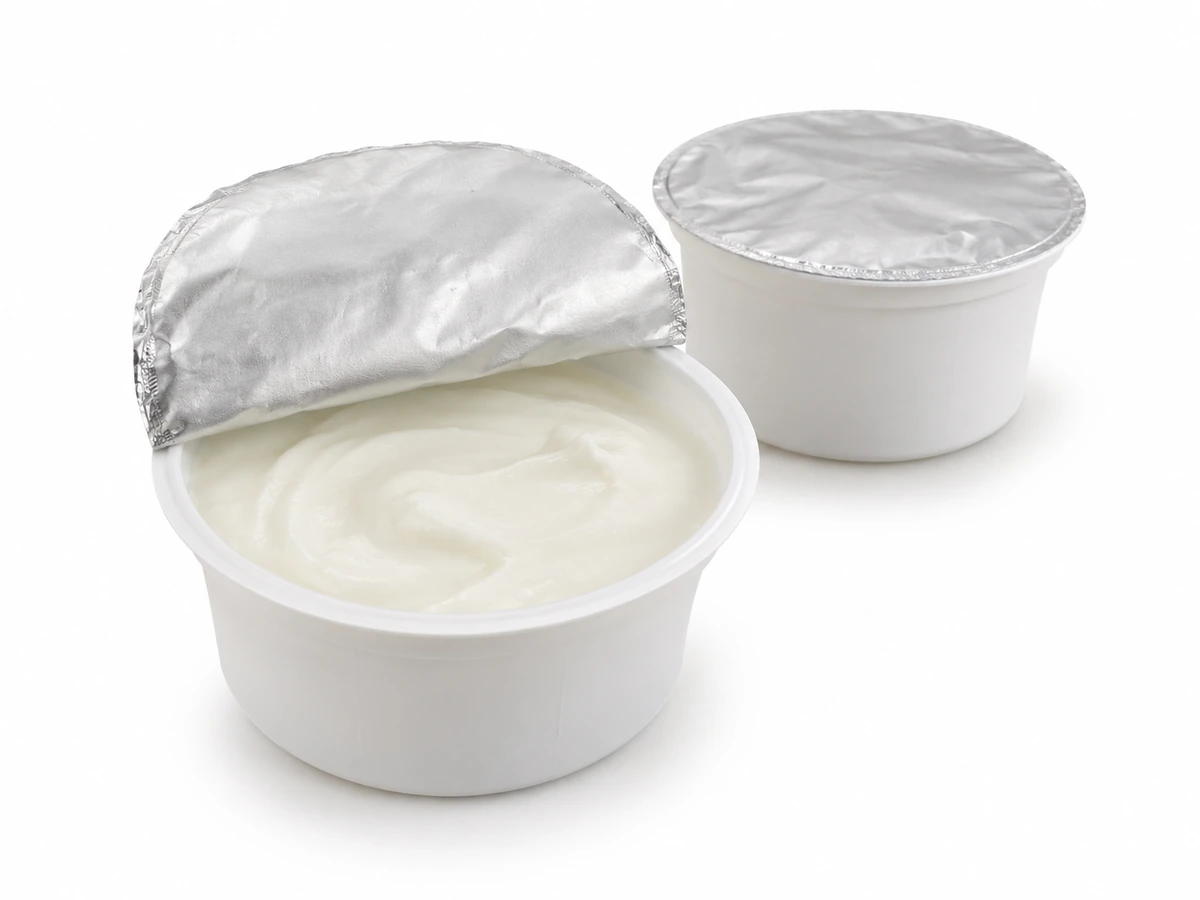
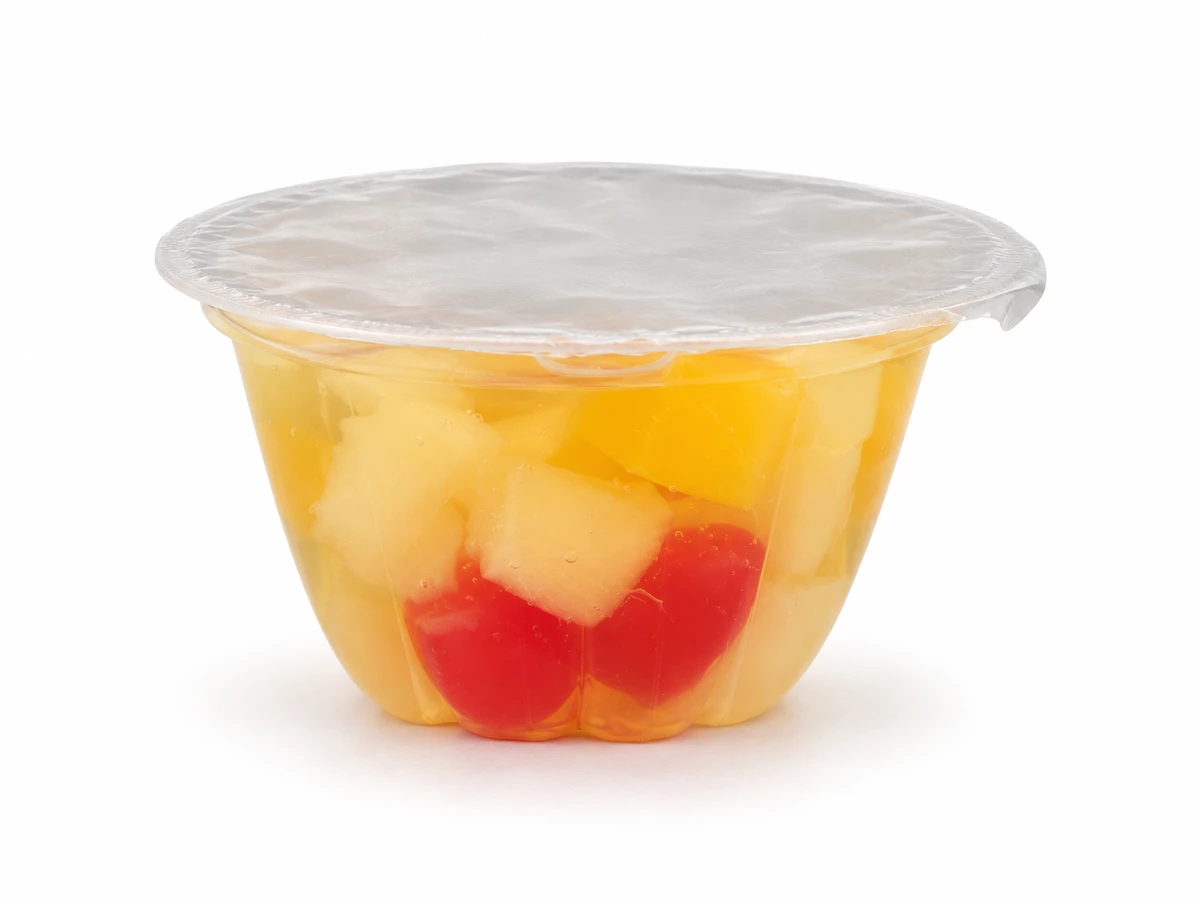
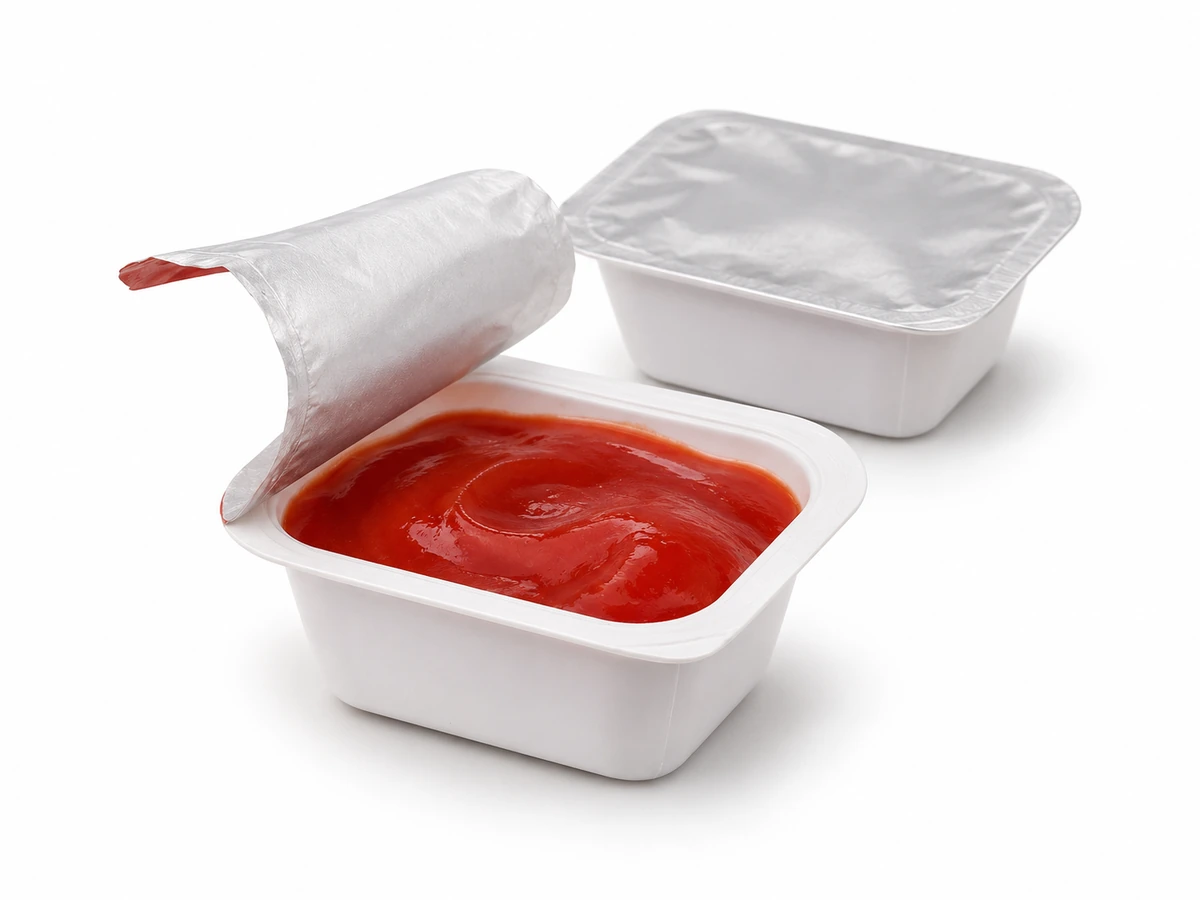
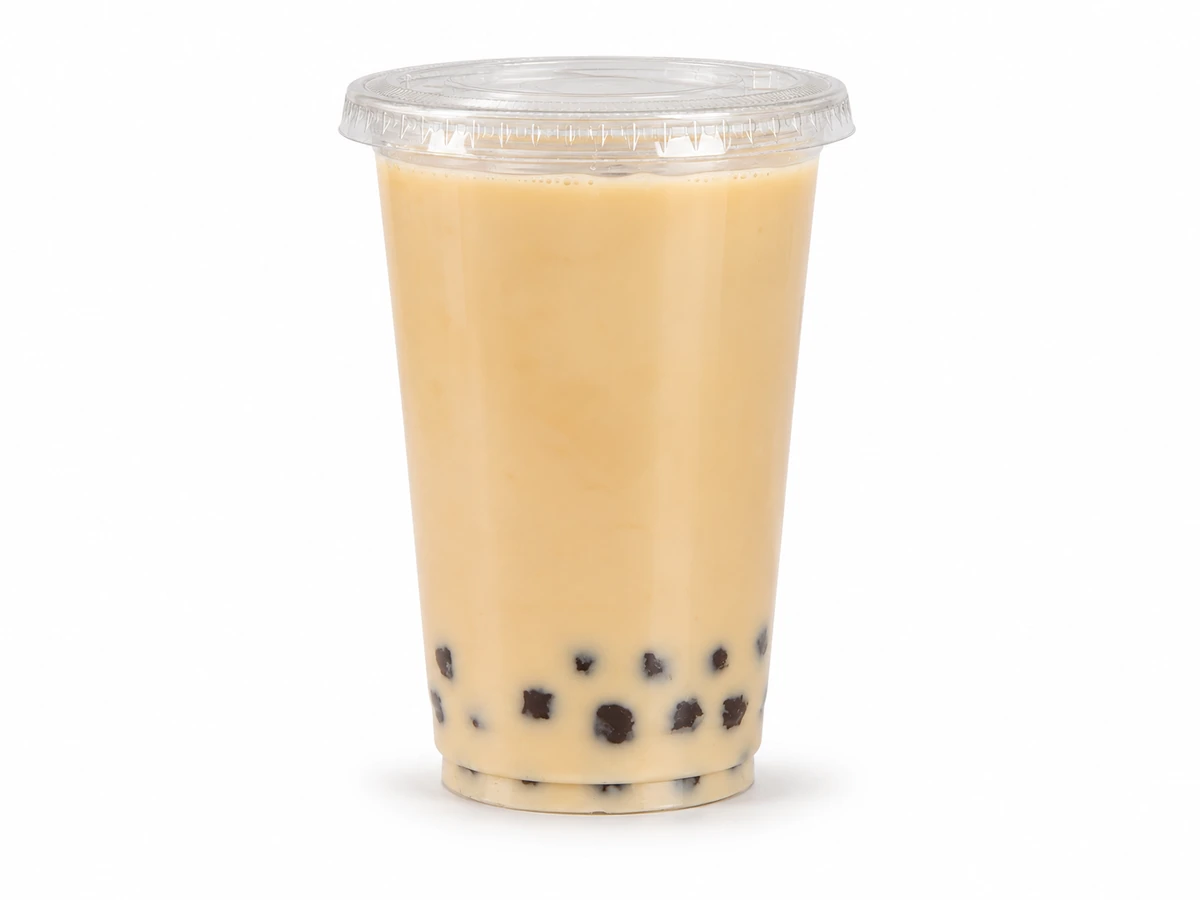
Product illustrations. Final suitability depends on the product, packaging material and machine configuration.
Choose a starting point.
Compare the equipment below, then share your packaging and output requirements to discuss a suitable configuration.

CFD-12
Cup filling and sealing for portion sauces and jelly products.
- Reference output
- 12,000–14,000 cups/h
- Cup diameter
- 38–60 mm
- Format
- Pre-made cups

CFD-6
A linear filling and roll-film sealing configuration for cup-packed dairy products.
- Reference output
- 10,000 cups/h
- Cup diameter
- 50–120 mm
- Controls
- PLC control system

CFD-8 Calippo
Multi-lane filling and sealing configured for cone-shaped ice dessert cups.
- Reference output
- 9,000–10,000 cups/h
- Layout
- Multi-lane
- Format
- Cone-shaped cups
Reference specifications vary by model and configuration. Actual output depends on product properties, packaging dimensions, filling volume and the agreed station layout. Confirm final specifications with our team.
From an empty cup to a sealed pack.
Cup handling, filling and closure are designed as one sequence. The final station layout depends on the cup and product.
- 01
Cup feeding
Position pre-made cups in the carriers. Cup geometry determines the feeding arrangement.
- 02
Product dosing
Select the dosing method for your recipe, filling volume and any inclusions.
- 03
Film & sealing
Position the sealing material and heat-seal the cup under the agreed process settings.
- 04
Discharge
Transfer sealed cups to the next process, with conveyors arranged for the production line.
The details make the difference.
Review these requirements with our team. Options are selected for your project and are not included in every machine.
Cup & lid handling
- Cup and lid magazines
- Roll film or foil lids
- Date marking arrangement
Product dosing
- Liquid or viscous products
- Dry ingredient dosing
- Volume adjustment options
Hygiene options
- CIP cleaning configuration
- UV or air treatment options
- Product-contact material review
Line integration
- Vacuum heat-sealing options
- Conveyor connections
- Factory layout planning
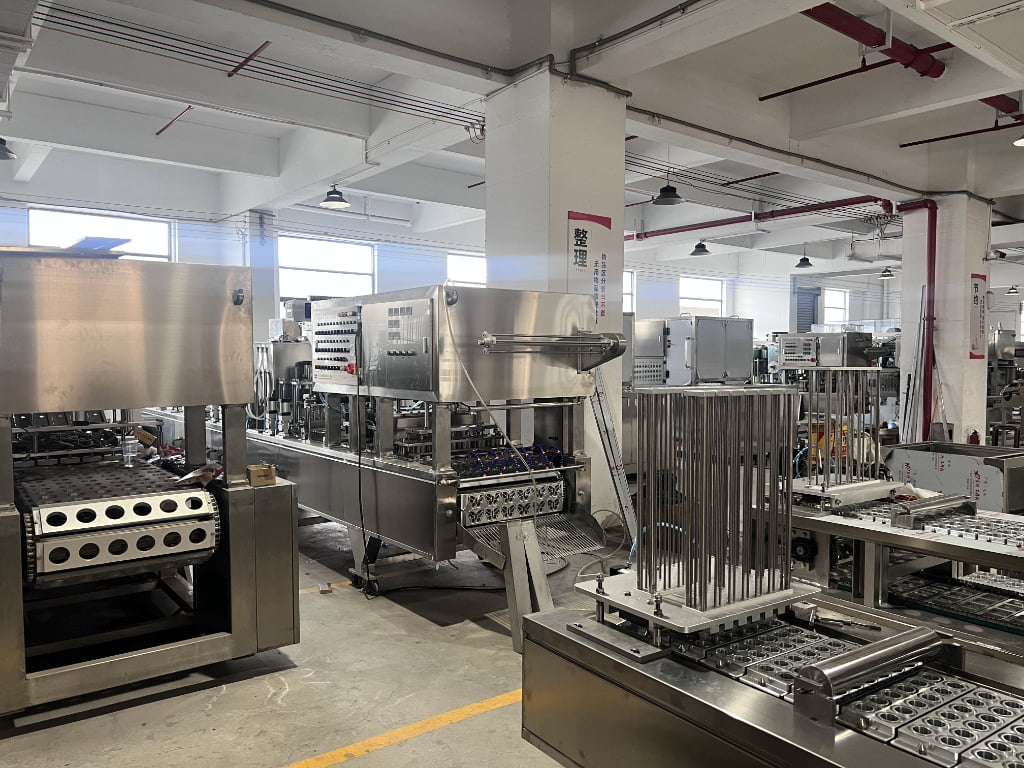
Start with your cup and sealing film.
Customers send their cups and sealing film to our factory for trials. We normally use water for filling tests, or the actual product when the customer supplies it.
- Cup feeding, filling and sealing checks
- Leakage and film-cutting checks
- Machine configuration reviewed against your packaging
A few useful answers.
Start here, or contact us to discuss your product and packaging in more detail.
Can one machine run different cup sizes?
A large change in cup diameter may affect the cup feeder, carrier spacing and sealing position. Send drawings or samples of every cup you want to run so we can review changeover requirements.
What products can be filled?
Typical applications include yogurt, jelly, milk tea, sauces and other liquid or semi-liquid foods. Product viscosity, temperature and inclusions determine the dosing arrangement.
How should I choose a capacity?
Share the required finished cups per hour, cup dimensions and filling volume. The reference figures shown above relate to different configurations; actual output depends on the agreed product and packaging.
Can I test my cups and sealing film?
Yes. We use customers’ cups and sealing film for factory trials. Filling is normally tested with water, or with the actual product when supplied by the customer.
What information is needed for a quotation?
Send your product description, cup drawing or sample, sealing film details, filling volume and target output. Include your available factory space and power supply if known.
Let’s build around your cup.
Share your product, cup size, sealing film and target output. We will discuss a suitable filling and sealing configuration.