How Can We Reduce Seal Leakage on Jelly Cup Filling and Sealing Machines in Summer Production?
Leakage complaints often rise in hot months. Many factories blame film quality only, but the real cause is usually process instability across filling, sealing, and material control.
To reduce jelly cup seal leakage, control the full system: cup tolerance, sealing film1, seal head temperature window, filling cleanliness, and startup discipline under high ambient temperature.
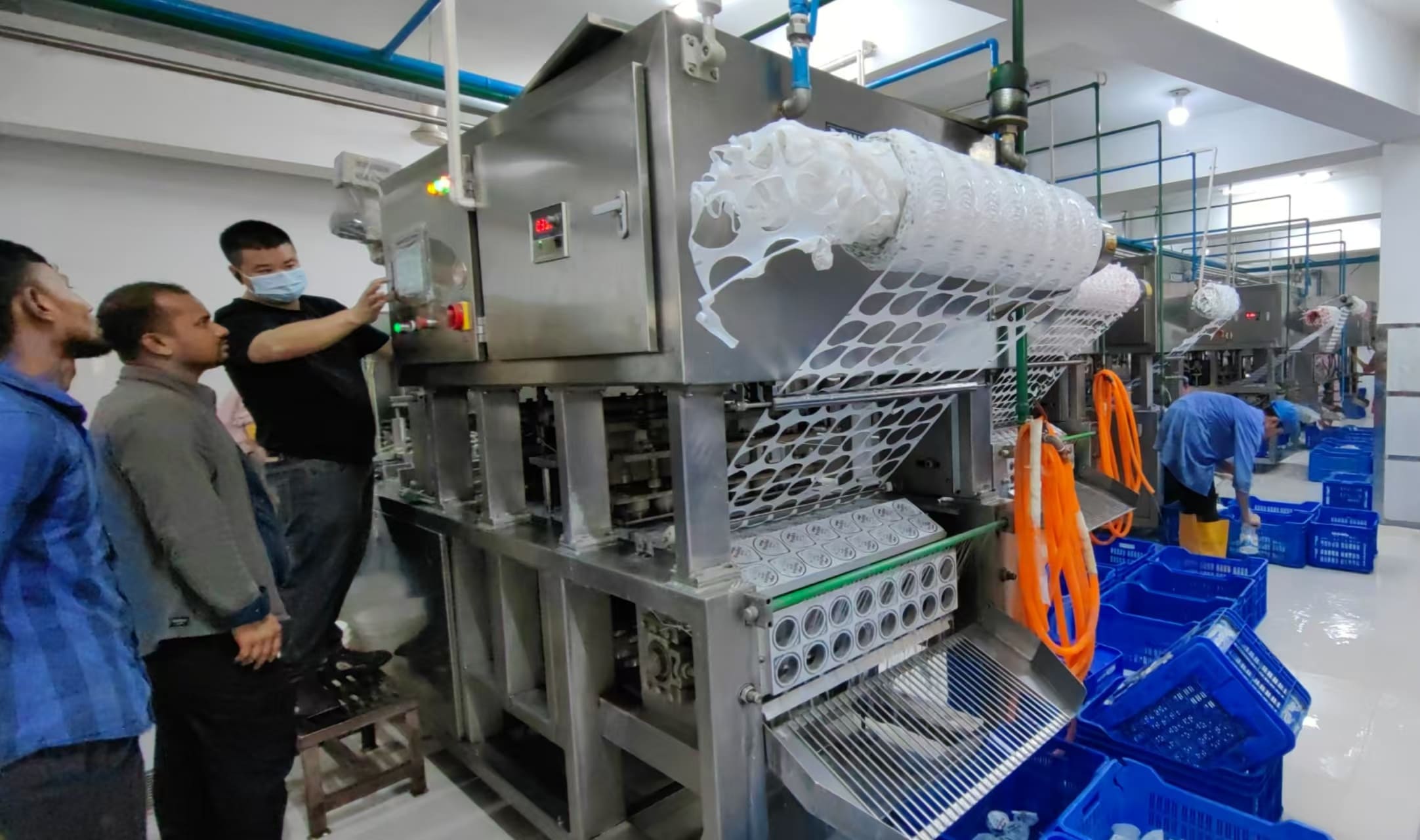
I work on cup filling and sealing projects where jelly, pudding, yogurt, and sauce products run in different climates. Summer leakage is one of the most common customer complaints. I will explain what fails in real lines, what to verify before changing hardware, and when the current machine setup is simply not suitable for your production target.
Why Does Seal Leakage Increase in Hot Weather Even When the Machine Is Unchanged?
Many teams say, “We changed nothing, but reject rate increased.” That is true, but ambient conditions changed, and those changes affect several process points at once.
Hot weather changes film behavior, cup rigidity, sealing response time, and product surface condition. If your process window is already narrow, small thermal drift can push it out of control.
In one jelly cup project, the line ran well in spring. In summer, leakage rose from below 1% to over 4% in afternoon shifts. The machine was the same. The root causes were:
- cup wall stiffness drift at higher storage temperature
- seal station thermal overshoot during peak room heat
- slight product splash near cup rim at higher rhythm
- operator changing temperature aggressively without trend logic
We solved it by re-validating the seal window under actual daytime conditions, not by replacing the whole module. We adjusted thermal control steps, reduced unnecessary speed peaks, and improved filling nozzle2 anti-drip timing. Leakage dropped back to stable range.
Quick summer risk map
| Summer variable | Line impact | Common wrong action |
|---|---|---|
| High ambient temperature | Seal window drifts faster | Increasing heat blindly |
| Softer cup behavior | Seal contact consistency changes | Ignoring cup lot checks |
| Faster product foaming/splash | Rim contamination risk rises | Only adjusting capping/press force |
| Operator fatigue in long shifts | More manual override errors | No standard correction sequence |
Unsuitable scenario: if production area temperature is uncontrolled and packaging material storage is random, expecting ultra-low reject at high speed is unrealistic. Process discipline must improve before speed targets rise.
Which Process Parameters Should Be Locked First for Jelly Cup Sealing Stability?
When leakage appears, many teams tune everything at once. That usually makes diagnosis worse. I lock variables in sequence.
The best order is: cup and film confirmation → sealing temperature window → dwell/pressure consistency → rim cleanliness → line rhythm stability.
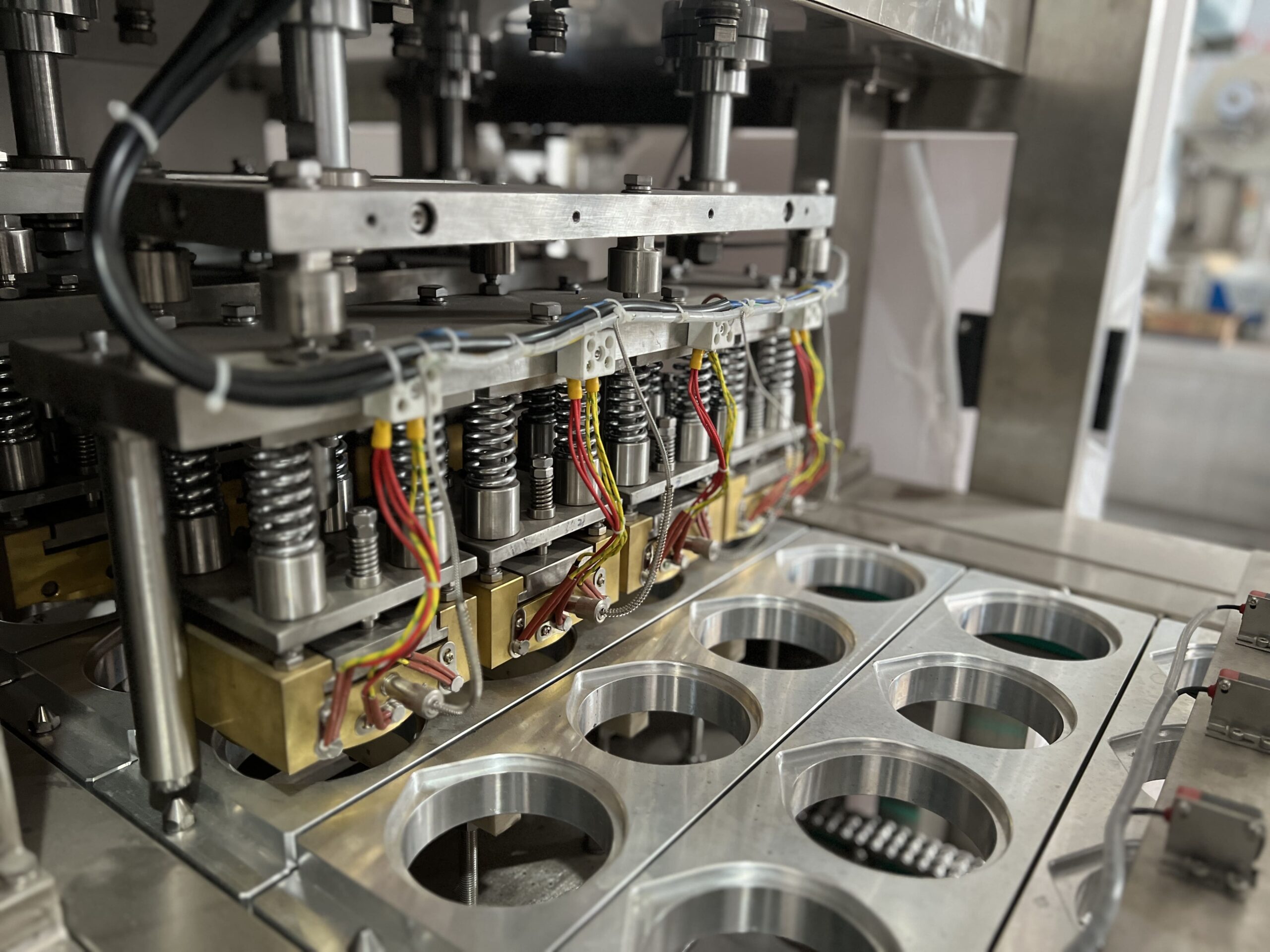
Step-by-step control logic I use on site
-
Verify cup and film lots first
If cup flange variation is high, perfect sealing is impossible. If film structure changed, old settings may fail. -
Build a real temperature window
Do not use one “magic number.” Build min-target-max with stable acceptance tests. -
Check dwell and pressure repeatability
Seal quality is energy + time + contact consistency. Temperature alone is not enough. -
Control rim cleanliness before sealing
Jelly splash or condensation near rim destroys seal bond. -
Stabilize rhythm before chasing speed
Micro-stops and aggressive restarts can increase thermal fluctuation and reject bursts.
Practical parameter table
| Parameter group | What to monitor | Good practice |
|---|---|---|
| Material | Cup flange consistency, film lot behavior | Incoming lot check each shift |
| Thermal | Seal head trend, overshoot, recovery time | Use trend-based correction |
| Mechanical | Contact pressure consistency | Verify wear and alignment schedule |
| Hygiene | Rim contamination frequency | Add visual checkpoints in SOP |
| Rhythm | Stop-start frequency | Reduce manual speed swings |
Unsuitable scenario: if cup supplier changes material frequently without notice, line settings will keep drifting. Supplier communication and lot management become mandatory, not optional.
How Does “Cup Diameter Customization” Affect Leakage Risk and Retrofit Cost?
In this industry, cup machines are usually customized by cup diameter. This is a hard reality. It is not just a mold replacement question.
Cup diameter defines mold geometry, pitch, indexing, nozzle position, and seal area. Changing diameter later can trigger system-wide modification with high cost and long downtime.
This is where many projects lose money. Buyers hope one line can easily switch between significantly different diameters. In real production, that often means:
- longer changeover and setup verification
- higher alignment sensitivity
- unstable first-run quality after each switch
- increased maintenance pressure
If your business is focused on one jelly cup size, a dedicated stable configuration usually gives better profitability than a “universal” setup with constant adjustment.
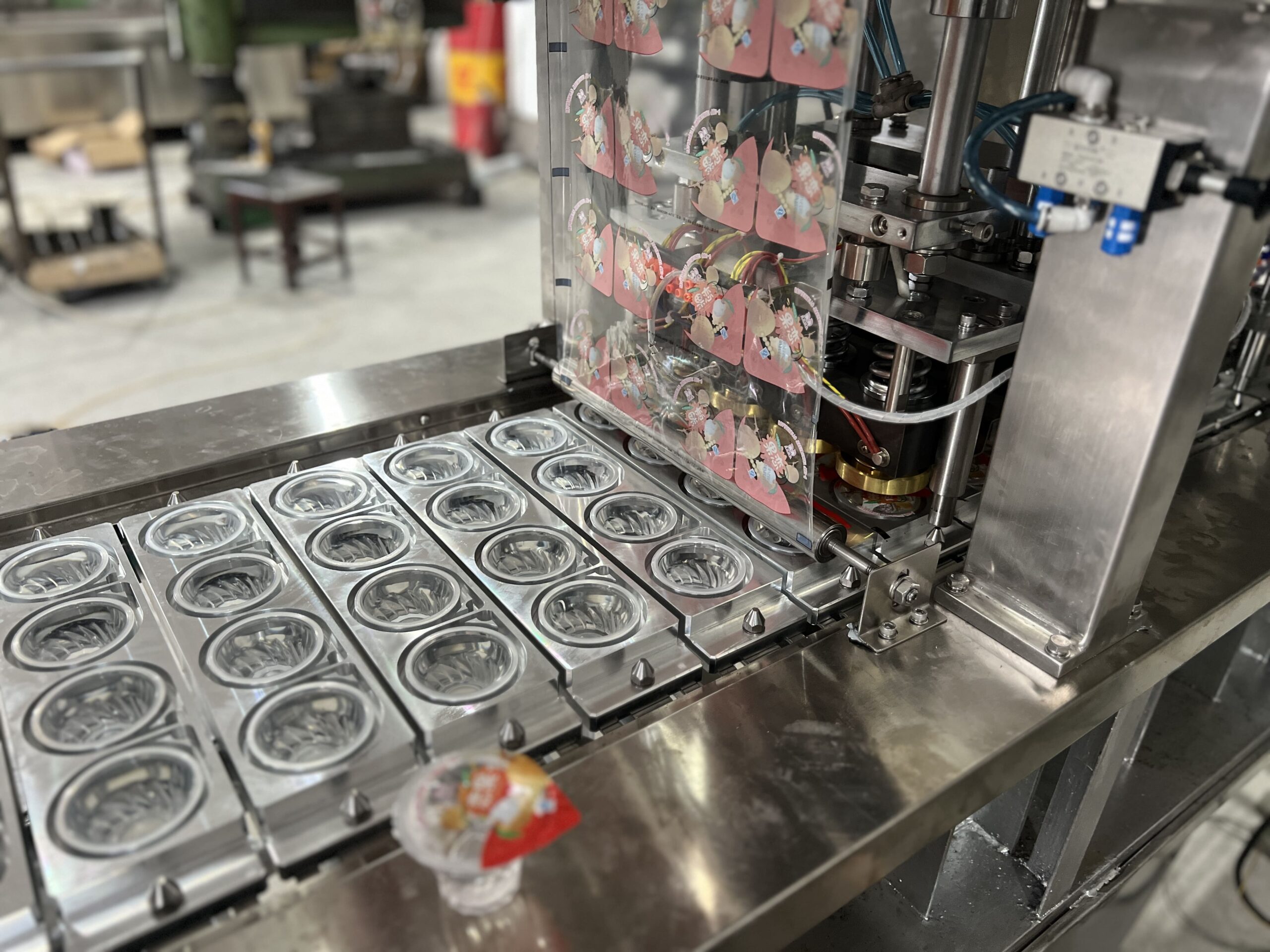
Retrofit risk view for cup diameter changes
| Change type | Engineering impact | Business impact |
|---|---|---|
| Minor tolerance correction | Low to medium | Manageable with SOP |
| Similar cup family switch | Medium | Needs planned validation window |
| Major diameter jump | High | Costly retrofit and downtime risk |
| Frequent multi-diameter switching | Very high | Throughput and quality instability |
Unsuitable scenario: if your sales model requires frequent diameter switching but your team has limited setup skill, avoid promising one-line-all-diameter operation at high speed.
What Should Buyers Verify Before PO and FAT to Prevent Summer Leakage Complaints?
Leakage prevention starts before machine build. Once the line is shipped, options become more expensive.
Before PO and FAT, lock seasonal operating assumptions, material specs, and acceptance criteria under realistic production conditions, not ideal lab conditions.
I ask buyers to fix these in writing:
- cup diameter, cup tolerance, and approved suppliers
- film structure and allowed substitution rules
- target output with acceptable reject threshold
- ambient operating range (especially summer)
- startup SOP and operator responsibility map
- critical spare parts for first 6–12 months
During FAT, do not only check “machine running.” Check:
- seal integrity trend under long-run test
- restart stability after short stops
- rim contamination control effectiveness
- alarm recovery logic and operator actions
- cleaning sequence and verification points
For hygiene and cleanability discussions, we often align practical expectations with EHEDG hygienic design guidance3. For pump and flow behavior in thicker products, we also reference positive displacement pump principles4 where relevant to keep dosing stable.
Unsuitable scenario: if supplier FAT evidence is only short edited clips and no trend data, expect higher startup risk.
Conclusion
Summer leakage is a system problem, not one-parameter failure. Stabilize material, thermal window, rhythm, and SOP together, and jelly cup lines can run with low reject and predictable output.
-
Sealing film properties directly affect seal bond strength and leakage risk under thermal drift. ↩
-
Filling nozzle behavior influences rim cleanliness and anti-drip performance before sealing. ↩
-
EHEDG guidance helps define practical hygienic design and cleaning expectations for food lines. ↩
-
Positive displacement pump principles are relevant when dosing consistency is sensitive to viscosity changes. ↩