Your beverage production line is struggling to keep up. Manual filling is slow, inconsistent, and a hygiene risk. Investing in the right automated cup filling machine solves these issues instantly.
Choosing the right machine means focusing on filling accuracy for your specific liquid, sealing quality to prevent leaks, and hygiene standards to meet food safety regulations. Look for a machine that is customizable, stable, and easy to clean for long-term value.
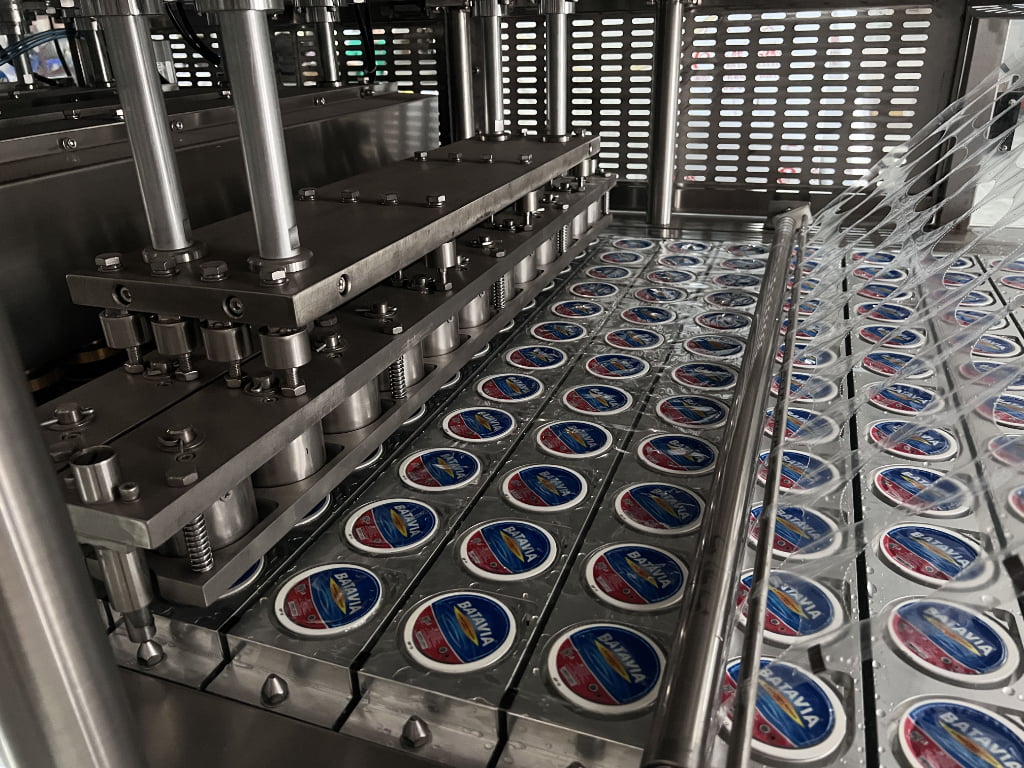
I’ve seen many factory owners face this exact challenge. At trade shows like the Canton Fair, people often come to my booth feeling overwhelmed. They know they need to automate, but the details are confusing. It’s not just about buying a machine; it’s about investing in the right solution for your specific products like juice, tea, or coffee. This guide will walk you through what really matters. Let’s break down the essential features, customization options, and hygiene considerations to help you make a smart choice.
What Key Features Should a Beverage Cup Filling Machine Have?
Feeling overwhelmed by technical specs? Choosing the wrong features can lead to a very costly mistake. A machine that constantly breaks down or doesn’t fit your cups can halt your entire production.
Focus on a sturdy stainless steel frame1 for durability, a precise piston filling system2 for accuracy, and reliable heat sealing technology3 for leak-proof cups. Also, ensure it has a PLC control system4 for easy operation. These are the core features for a stable, long-lasting machine.
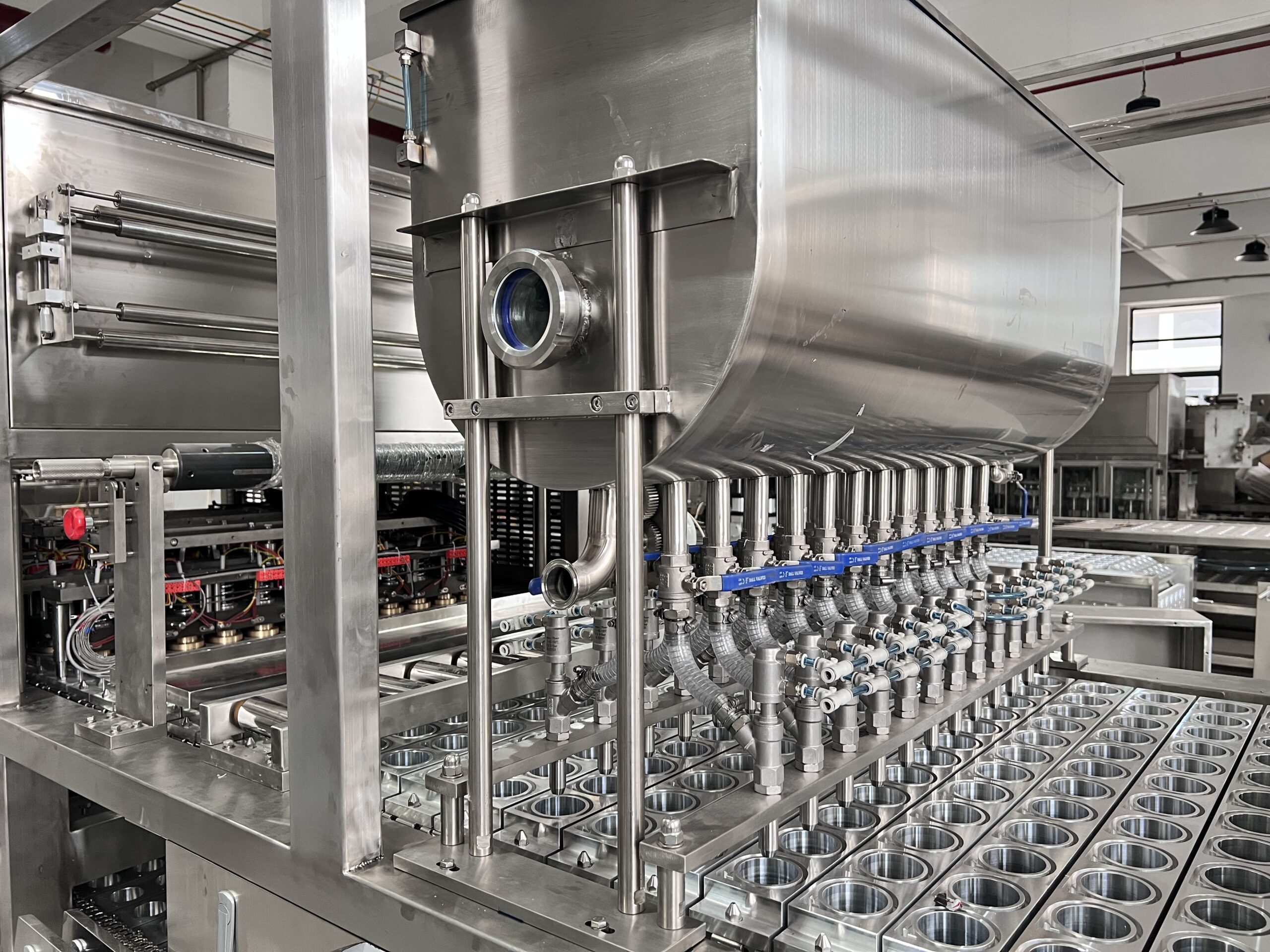
When I talk with clients from places like Algeria or Bangladesh, they all want one thing: a machine that just works without constant problems. The best machines are built on a strong foundation. This means looking beyond the price tag and examining the core components that deliver long-term performance and value. From the material of the frame to the brain of the operation, every part plays a critical role in your daily production.
The Importance of a Solid Frame
The machine’s body is its skeleton. We always use high-quality stainless steel, usually 304 or 316 grade for parts that touch the product. This prevents rust and makes cleaning easy, which is essential for food safety. A heavy, well-built frame also reduces vibration during operation. This stability ensures the filling and sealing stations work perfectly every time, which means fewer rejected products and a longer service life for the machine.
Precision Filling and Sealing Systems
For beverages like juice and tea, a piston filling system is the industry standard. It offers excellent accuracy, which means you don’t waste product by overfilling. The seal is just as important. A good heat sealing head provides consistent temperature and pressure. This creates a strong, leak-proof seal that protects your product during shipping and on the shelf. I once visited a customer in Indonesia whose old machine had sealing issues, causing major losses. Upgrading to a machine with reliable sealing technology solved their problem completely.
User-Friendly Controls
Your operators shouldn’t need an engineering degree to run the machine. A modern machine uses a PLC (Programmable Logic Controller) with a touchscreen interface. This allows you to easily set parameters like filling volume, sealing temperature, and machine speed. It also makes troubleshooting much simpler, as the system can display error messages to help identify problems quickly. This feature is a game-changer for maintaining high productivity.
How Can You Customize a Machine for Different Beverages?
You produce more than one type of drink. A machine that can only handle one cup size or one liquid viscosity5 limits your growth. You need flexibility to adapt to new market demands.
Customization is key. You can adapt a machine for different beverages by using interchangeable cup molds, adjusting the filling volume, and adding features like a date printer6 or a protective cover. This flexibility allows one machine to handle juice, tea, and even thicker coffee drinks.
[^6] attachment visible](https://8xc.com/wp-content/uploads/2025/09/IMG_1497-scaled.jpg)
A few years ago, a client from Saudi Arabia wanted a machine for both thin fruit juice and a slightly thicker yogurt drink. This is a common request. A standard, off-the-shelf machine might not handle both well. This is where customization becomes a huge advantage. It allows you to invest in one piece of equipment that can grow with your business and product line. We work closely with our clients to build a machine that fits their exact needs today and in the future.
Adapting to Different Cup Sizes
Your marketing team might want to launch a new product in a different cup. Your machine needs to be ready for that. We design our machines with interchangeable cup molds. This means you can easily swap out the molds to handle cups of different diameters and heights. This process is simple and doesn’t require a lot of downtime, allowing you to switch between production runs for different products quickly.
Handling Various Liquid Types
| Juice, tea, and coffee have different flow characteristics. | Feature | Juice & Tea (Thin Liquids) | Coffee & Thicker Drinks |
|---|---|---|---|
| Nozzle Type | Standard, non-drip nozzles | Wider, anti-drip nozzles | |
| Filling System | Standard piston filler | Piston filler with stronger suction | |
| Agitator | Optional, for pulp | Often necessary to keep uniform | |
| Heating | Not usually needed in hopper | Hopper with heating jacket |
We can adjust the piston filler and use different nozzle designs to manage everything from watery tea to thicker, creamy coffee drinks. For products with pulp, like some juices, we can add a mixing hopper to keep the particles suspended, ensuring every cup is consistent.
Adding Value with Extra Functions
Beyond filling and sealing, many other functions can be added. A date printer is a must-have for tracking and food safety. Many of our clients in Russia and Pakistan request this. We can also add a UV sterilization7 station for the cups and film before filling, which adds another layer of hygiene. For dusty environments, a plexiglass cover protects the filling process from contamination. These small additions make a big difference in the quality of your final product.
Why is Hygiene So Crucial in Beverage Filling and Sealing?
You are making a product for people to consume. Any contamination can lead to sickness, product recalls, and damage to your brand’s reputation. This is a risk you cannot afford to take.
Hygiene is everything in food production. A hygienic machine, built with food-grade stainless steel8 and designed for easy cleaning, prevents bacterial growth. Features like CIP (Clean-in-Place) systems and UV sterilization ensure your beverages are safe for consumers and meet international standards.
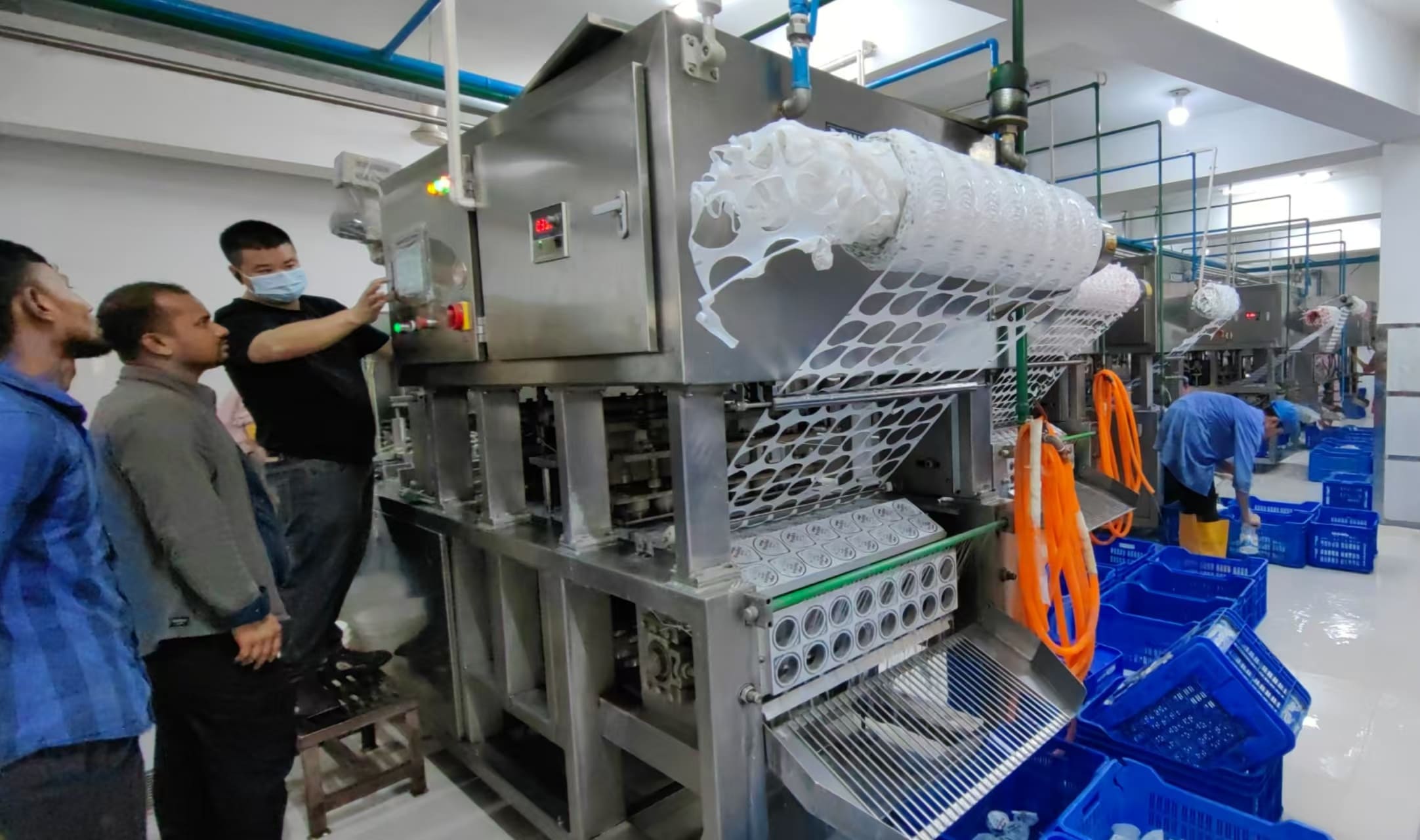
I always tell my clients, especially those exporting to regions with strict regulations, that hygiene is not an option—it is a requirement. A customer from Vietnam once shared how their business grew after they invested in a machine that met global food safety standards. It opened up new markets for them. Your machine is at the heart of your production line, and its design directly impacts the safety and quality of your product.
The Role of Materials and Design
The first step to a hygienic machine is using the right materials. As I mentioned, food-grade stainless steel (304 or 316L) is the standard. It’s non-corrosive and doesn’t react with food products. The design is also critical. A good machine avoids sharp corners and hard-to-reach spots where bacteria can hide and grow. All surfaces should be smooth and easy to wipe down. We design our machines so that they can be disassembled quickly for thorough cleaning.
Advanced Sterilization Features
For products like fresh juice or milk tea, extra protection is needed. We can integrate several features to enhance hygiene.
- UV Lamp Sterilization: A UV lamp can be installed to sterilize the cups and the sealing film right before the filling process begins. This kills any surface bacteria.
- Laminar Flow Hood: A protective cover can be equipped with a HEPA filter to create a clean air environment around the filling and sealing stations, preventing airborne contaminants from entering the cups.
Clean-in-Place (CIP) Systems
For larger production lines, regular manual cleaning can be time-consuming. A Clean-in-Place (CIP) system automates the cleaning process. With the push of a button, the system flushes the filling pipes, nozzles, and hopper with cleaning solutions, hot water, and sanitizers. This ensures a consistent and verifiable level of cleanliness every single time, reduces labor, and minimizes downtime between production runs. It’s a feature many of our large-scale dairy and beverage clients in India and South Africa consider essential.
Conclusion
Choosing the right cup filling machine comes down to stability, customization, and hygiene. By focusing on these core areas, you can ensure a reliable and safe production line for your beverages.
-
Learn about the durability and hygiene benefits of using stainless steel in beverage machinery. ↩
-
Explore the mechanics and advantages of piston filling systems in beverage production. ↩
-
Discover how heat sealing technology ensures leak-proof packaging for beverages. ↩
-
Understand how PLC control systems improve operational efficiency and ease of use. ↩
-
Explore the significance of liquid viscosity in selecting the right filling technology. ↩
-
Find out how date printers contribute to tracking and food safety in beverage production. ↩
-
Discover the benefits of UV sterilization in ensuring safe and hygienic beverage packaging. ↩
-
Understand the significance of food-grade materials in ensuring safety and quality. ↩