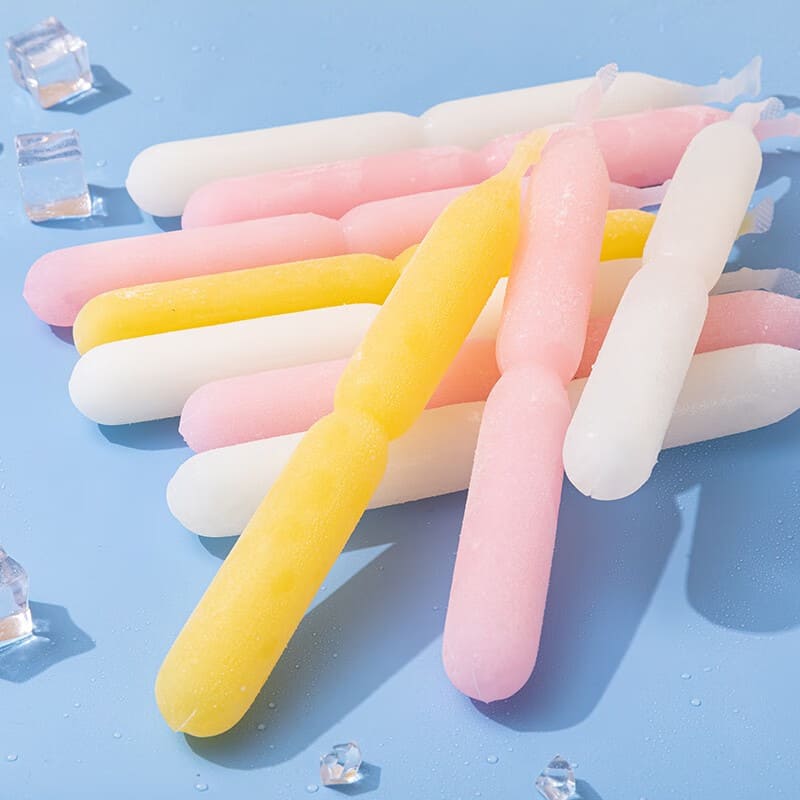
Struggling to choose the right machine for ice pop or ice lolly tube production? A wrong machine can cause tube feeding problems, unstable filling volume, weak sealing, and expensive changes after delivery. An ice lolly filling and sealing machine1 should be selected by tube size, filling volume, product formula, sealing method, and factory layout, not by speed alone.
The best way to choose an ice lolly tube filling and sealing machine is to start from real tube samples and production requirements. Confirm tube size, filling volume, liquid viscosity, sealing material, output target, pasteurization needs, and future expansion before final machine design.
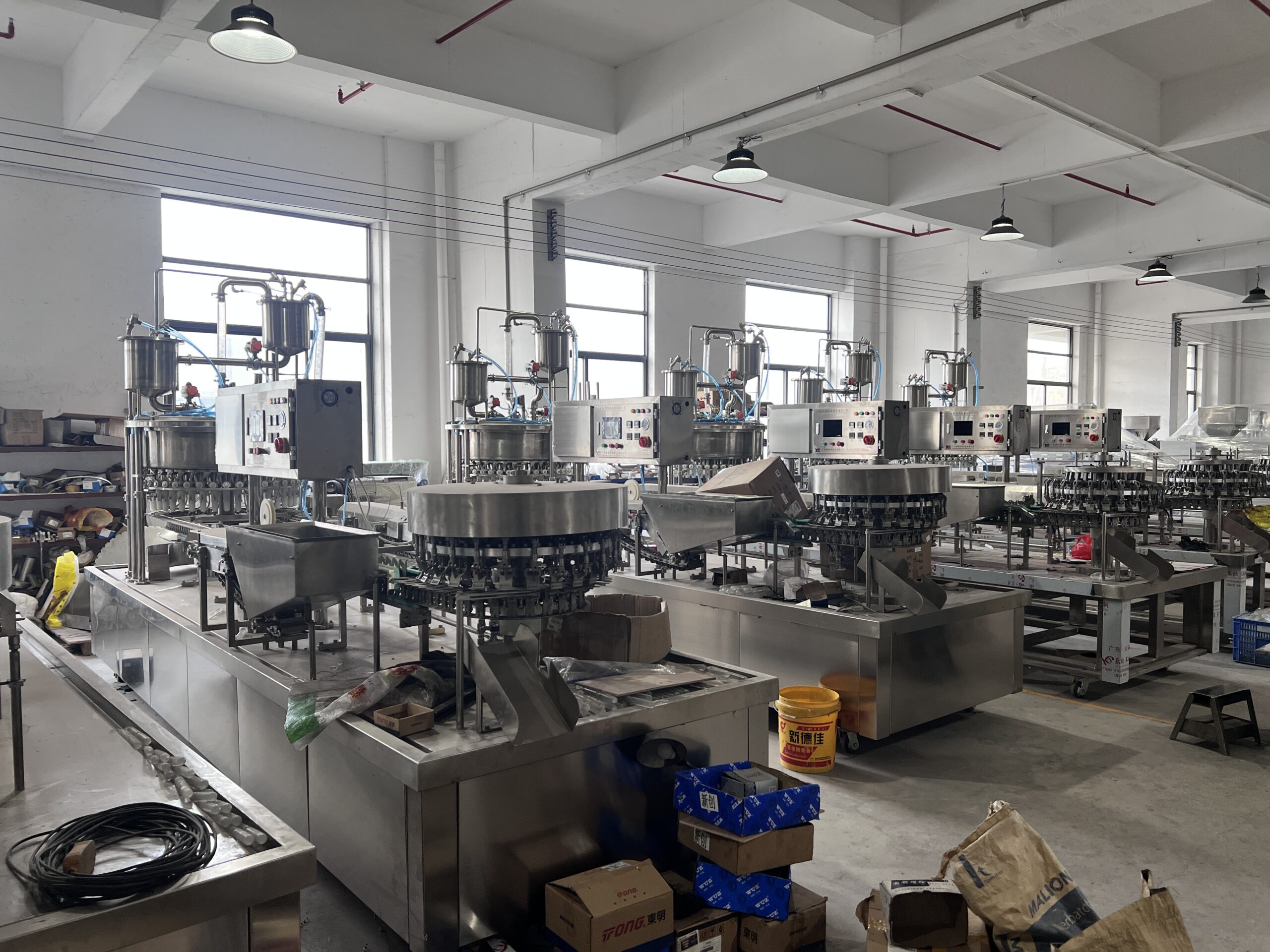
Choosing this machine is not only a purchase decision. It is a production planning decision. At Guangdong Xinchuang Machinery Industry Co., Ltd. in Shantou, Guangdong, China, we often see buyers compare machines by capacity first. That is useful, but it is not enough. A stable ice lolly tube line depends on how the machine handles the tube, fills the product, seals the mouth, and connects with pasteurization, cooling, freezing, or packing. If these details are not checked early, the buyer may pay more later for format changes, extra spare parts, or difficult commissioning.
What Tube Details Should Buyers Confirm First?
You may already have a tube design, but that does not mean every filling machine can run it well. If the tube mouth is unstable or the film is too soft, the machine may fill and seal poorly even when the basic size looks correct.
Before choosing the machine, buyers should confirm tube length, width, mouth position, film thickness, tube material, seal area, and real production tolerance. Physical samples are better than drawings because samples show how the tube behaves during feeding, positioning, filling, and sealing.
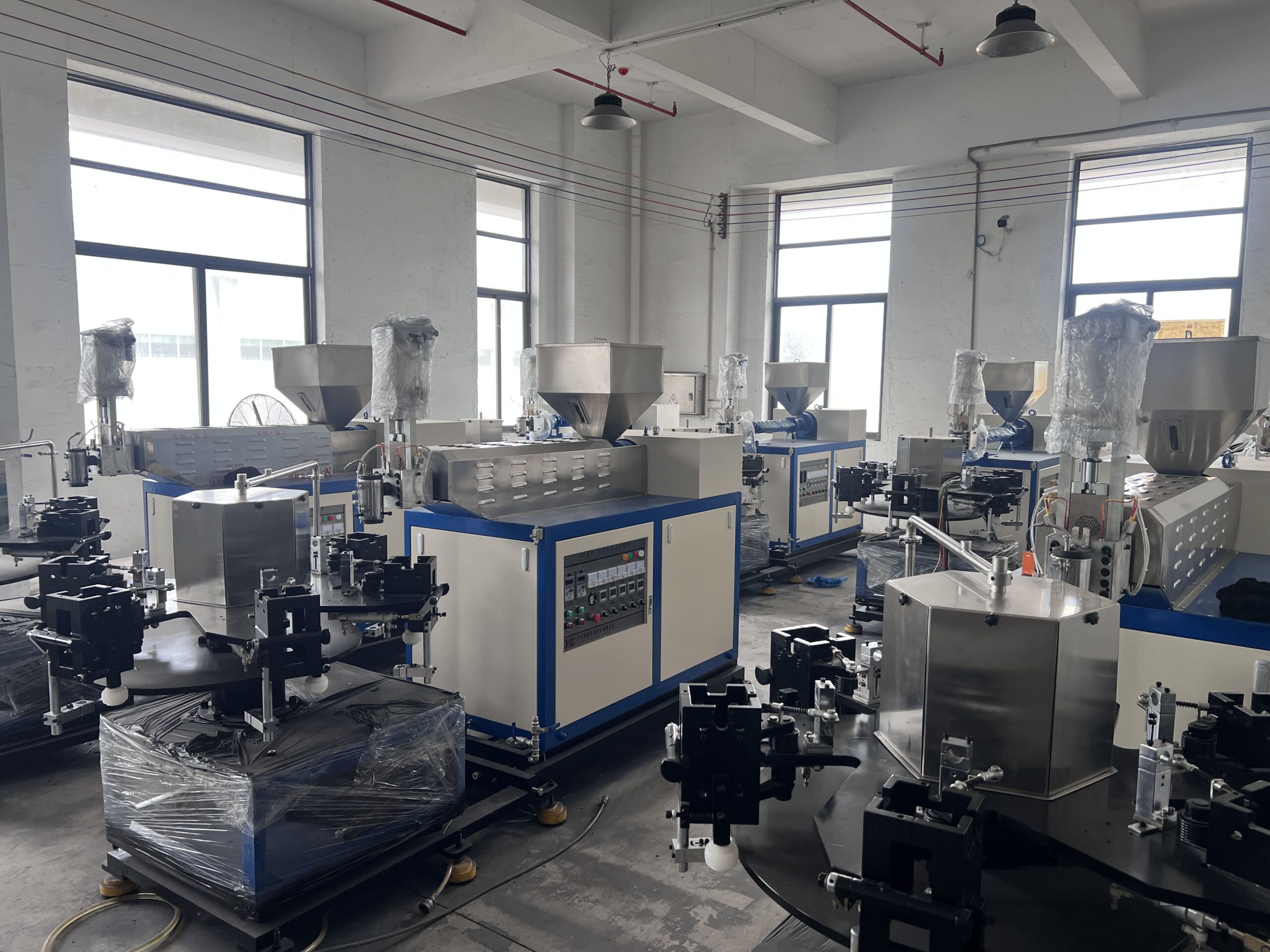
The tube is the foundation of the machine design. A machine can only run smoothly when the tube can be fed, opened, positioned, filled, and sealed with repeatable accuracy. Drawings help us understand the target size, but samples help us see the real problem. Some tubes look similar on paper but behave differently in production. One tube may stand more stable in the holder. Another may bend during feeding. One seal area may be wide enough for strong sealing. Another may require more careful heat and pressure control.
In real projects, I prefer to check the tube before confirming the final layout. If the mouth is narrow, the filling nozzle must be matched carefully. If the tube body is flexible, the feeding rail and positioning parts need stronger support. If the tube has a special shape, the machine may need custom holders or guiding parts. This is why ice lolly tube machines are not always simple standard machines.
Not suitable when: one machine is expected to run many unrelated tube shapes without format parts. Some changeover can be designed, but tube feeding rails, holders, filling positions, and sealing jaws are usually built around a defined tube family. If the buyer plans several tube sizes, we should discuss spare parts, changeover time, and validation before ordering.
Tube Checklist for Machine Design
| Item to Confirm | Why It Matters | What We Usually Check |
|---|---|---|
| Tube length and width | Affects feeding and positioning | Tube sample and tolerance |
| Mouth position | Affects nozzle entry and filling accuracy | Filling center alignment |
| Film thickness | Affects strength and sealing behavior | Material and seal window |
| Seal area | Affects leakage risk | Heat, pressure, and dwell time |
| Tube shape | Affects holder and rail design | Custom guiding parts |
How Do Filling Volume and Formula Affect the Machine?
A machine that fills water well may not fill syrup, dairy, or pulp products equally well. If the product formula is ignored, the buyer may face dripping, inaccurate filling, or seal contamination.
Filling volume and formula decide the filling system, nozzle size, product contact path, anti-drip design, and sometimes upstream mixing or temperature control. Buyers should test the real product or at least provide product viscosity, filling volume, and particle condition before confirming the machine.
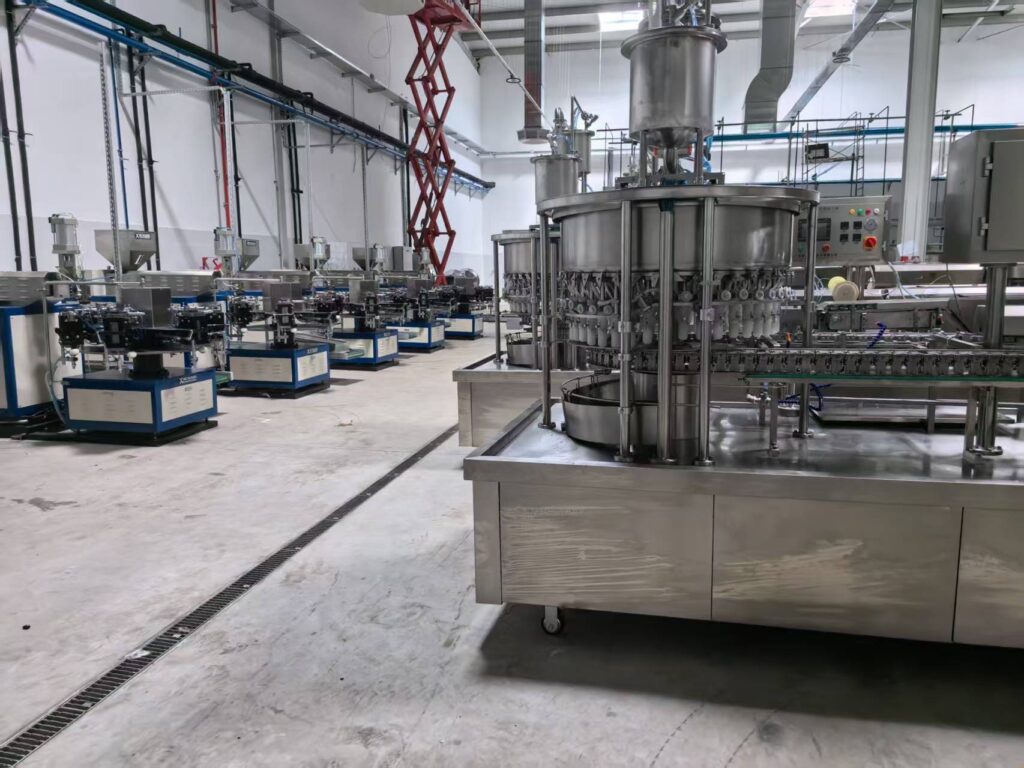
Filling accuracy is both a cost issue and a quality issue. If the machine overfills, product may touch the seal area and cause leakage. If it underfills, the final product looks poor and may create customer complaints. For large-volume production, even a small filling error can become a large material cost over time.
The product formula also matters. A water-based ice pop liquid is usually easier to fill than a syrup-rich, dairy-based, or semi-viscous formula. If the formula changes with temperature, then the line may need a preparation tank, cooker, holding tank, or more stable temperature control before filling. For some products, the filling machine is only one part of a larger process.
During sample checking, we do not only ask whether the machine can fill one tube. We check repeatability. We look at filling volume, drip behavior, tube mouth cleanliness, and whether the seal area stays clean before sealing. We also check start, stop, and restart behavior because many leakage problems appear during unstable operation, not during a perfect short demo.
Filling System Decision Logic
| Product Type | Common Machine Concern | Practical Suggestion |
|---|---|---|
| Water-based ice pop | Fast filling and clean cut-off | Standard liquid filling path may be enough |
| Syrup product | Viscosity and dripping | Confirm nozzle and anti-drip design |
| Dairy-based product | Hygiene and temperature control | Consider upstream process and cleaning access |
| Product with pulp | Particle passage and blockage | Check nozzle size and valve structure |
| Multi-flavor production | Cleaning and changeover | Plan recipe control and cleaning procedure |
Should Buyers Choose a Single Machine or a Full Line?
Some buyers only need a filling and sealing machine. Others need a full ice pop production line. Choosing the wrong scope can create missing equipment, poor layout, or unnecessary spending.
A single machine is suitable when the factory already has stable mixing, preparation, cooling, and packing equipment. A full line is better for new projects or buyers who need integrated mixing, cooking, pasteurization, cooling, filling, sealing, drying, coding, and packing.
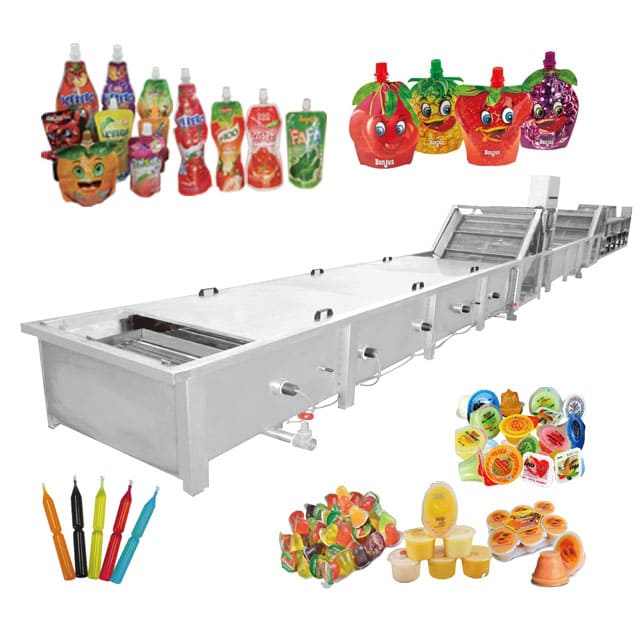
A single ice lolly tube filling and sealing machine can work well in an existing beverage or frozen product factory. If the buyer already has tanks, water treatment, cooling, storage, and packing, then the machine can be connected into the current production flow. In this case, the main work is to match the tube, product, filling volume, and sealing method.
A full line is different. When the buyer is building a new project, we need to discuss the whole production process. This may include mixing, sugar melting, cooking, filtration, pasteurization, cooling, filling, sealing, drying, date coding, packing, and final storage. The filling machine is the core equipment, but it cannot solve upstream or downstream problems alone.
Pasteurization is a common question in ice pop and ice lolly projects. Depending on the formula, market, and shelf-life target, a pasteurization process2 may help improve food safety and product stability. But I do not recommend one fixed process for all buyers. Fruit juice, dairy, syrup, and flavored water can have different requirements. The final design should be confirmed according to product sample, local market requirement, and the customer’s production target.
Single Machine vs Full Line
| Project Situation | Better Choice | Reason |
|---|---|---|
| Existing factory with tanks and packing | Single machine | Lower investment and easier integration |
| New ice pop project | Full line | Better process control from preparation to packing |
| Buyer wants shelf-life control | Full line with pasteurizer option | Process must be planned together |
| Buyer has limited space | Custom layout review | Access and cleaning still matter |
| Buyer plans future expansion | Modular line planning | Easier to add capacity later |
What Should Buyers Check Before Final Confirmation?
A quotation is useful, but it is not the final engineering answer. If key details are missing, the machine may still need changes after the order.
Before final confirmation, buyers should prepare tube samples, target filling volume, product type, expected capacity, voltage, factory layout, packaging method, and future expansion plan. These details help the manufacturer design a practical machine instead of a generic proposal.
When we prepare a proposal, I prefer to understand how the buyer will actually run the line. How many shifts per day? How many flavors? Will the factory change tube size later? Is the finished product frozen immediately or shipped after another process? Who will operate and maintain the machine? These questions affect the final design.
Maintenance access is also important. Operators need access to filling nozzles, sealing jaws, heaters, sensors, and tube feeding areas. If the layout is too tight, daily cleaning becomes slow. If spare parts are not planned, small problems can stop production longer than necessary. For export buyers, after-sales support should include commissioning guidance, operator training, spare parts, and troubleshooting logic.
Internal links also help buyers continue learning. For broader project planning, see our guide on starting an ice lolly business with core equipment. For a basic machine explanation, see what an ice lolly filling and sealing machine is. For automated production planning, see how to start an ice lolly business with an automated filling and sealing machine.
Conclusion
Choosing the right ice lolly tube filling and sealing machine starts with the real product, not only with speed. Confirm tube size, filling volume, formula behavior, sealing material, pasteurization needs, factory layout, and future expansion before final design. This is the safest way to build a stable line and avoid expensive changes later.