
Why Does a Spout Pouch Filling and Capping Machine Become the Decisive Node in Acidic Beverage Scale-Up?
When output rises, one unstable cap torque can trigger leaks, claims, and line stoppages; I solve this by redesigning filling-capping-sterilization as one connected engineering system.
Snippet: In my projects, a Spout Pouch Filling and Capping Machine is not “just a filler.” It is the control center linking viscosity handling, cap torque repeatability, CIP logic, and downstream sterilization efficiency in acidic beverage production.
At Guangdong Xinchuang Machinery Industry Co.,Ltd, I work across cup filling lines, spout pouch capping systems, and complete ice pop lines (including cooking kettles and sterilization lines). The lesson I keep relearning is simple: packaging format decisions are process decisions. If a team treats pouch filling as a stand-alone purchase, they usually pay later in rework, unstable quality, and expensive changeovers. That is especially true when they run multiple SKUs with fruit pulp, sugar variation, and seasonal demand swings.
Why is spout geometry more critical than speed when choosing a Spout Pouch Filling and Capping Machine?
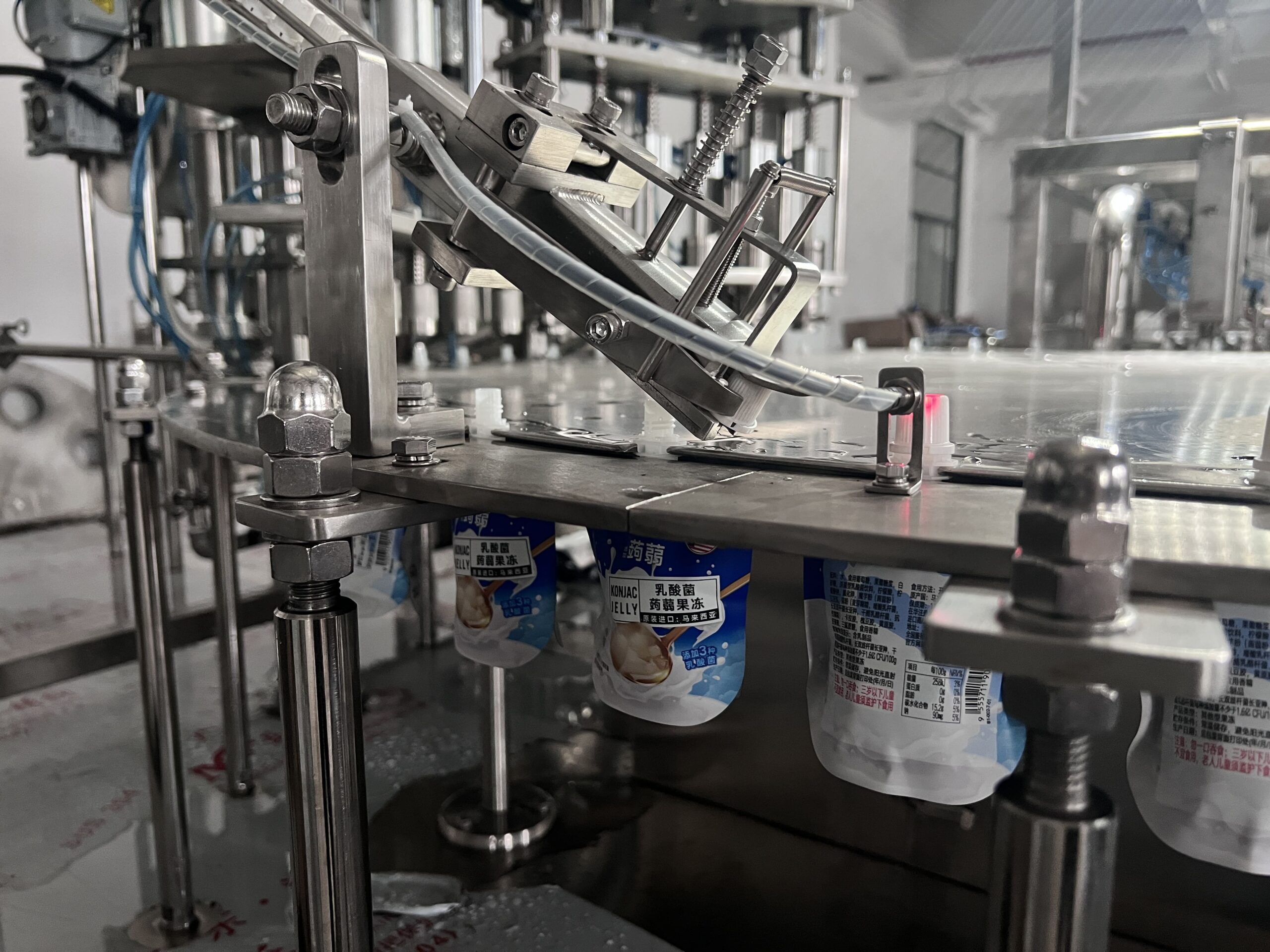
When clients first talk to me, they often ask for output speed first. I understand why—throughput is visible, and weekly production targets are unforgiving. But in practice, I start with spout geometry before discussing cycle rate. The reason is mechanical reality: spout inner diameter, neck profile, and cap thread tolerance directly determine fill head design, anti-drip behavior, and capping repeatability. If these fundamentals are mismatched, every “high-speed” promise becomes theoretical.
In real commissioning, I focus on three geometry-linked checkpoints. First, filling needle entry clearance: if the needle and spout tolerances are too tight, micro-contact can destabilize pouch positioning and raise particulate contamination risk. Second, bubble escape path: narrow or inconsistent spout channels trap air, which causes underfill variance and can confuse checkweighers. Third, cap-thread engagement window: thread lead and cap skirt rigidity affect whether torque curves are smooth or spike unpredictably. A machine can still run fast with poor geometry—but it will not run stably for long shifts.
This is where process details matter more than brochure numbers. For acidic beverages with pulp, I usually recommend validating rheology at production temperature, not lab room temperature. Viscosity drift changes fill profile and the pressure pulse around the spout mouth, which then influences splash, wet neck frequency, and cap seal outcomes. I also insist on a pilot torque map before final acceptance, because torque average alone is misleading; what protects market quality is low dispersion across a production lot.
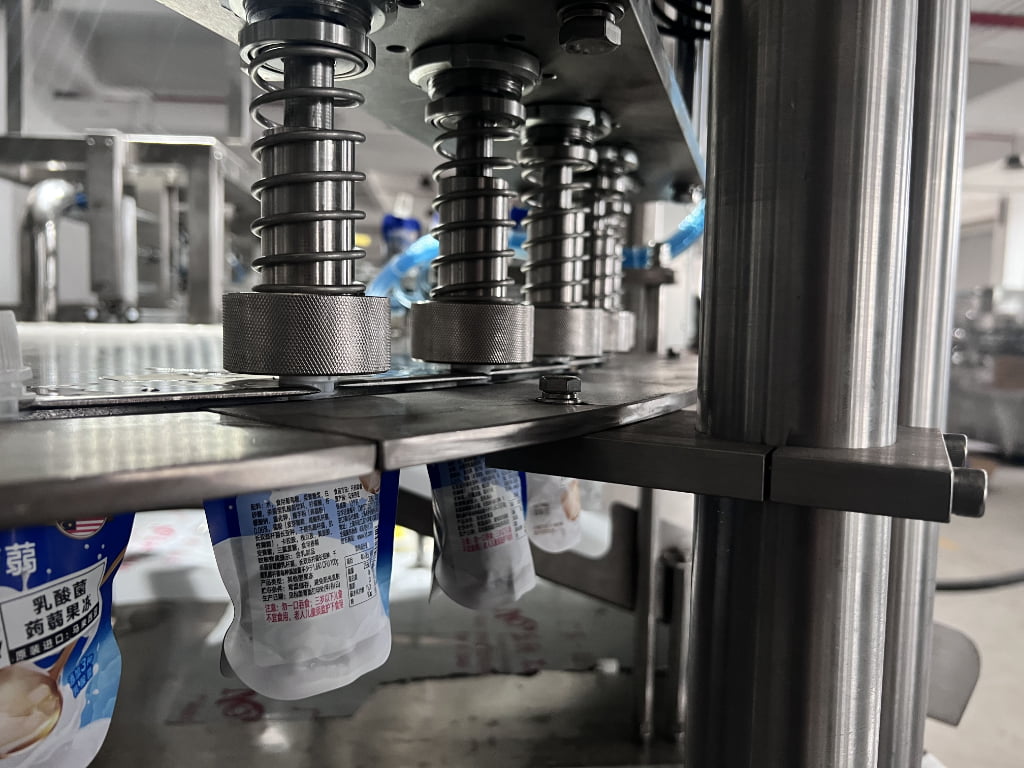
When I align spout geometry, filling path, and torque control early, I can scale speed later with fewer surprises. In my experience, this sequencing saves far more money than chasing the highest nominal cycles per minute.
A common failure pattern I see is treating filling, capping, and sterilization as separate procurement packages. On paper, each machine “meets spec.” On the floor, micro-delays at handoff points stack up into chronic stoppages. So I design the line as a synchronized thermal-mechanical system from day one.
For acidic products, thermal management is not optional. If upstream cooking in the jacketed kettle introduces uneven solids dispersion, the filler experiences transient viscosity shocks. Those shocks alter dosing response and can increase drip at nozzle withdrawal. Then capping stations inherit wet-neck events, and sterilization sections inherit variable thermal load. The entire line starts compensating for upstream inconsistency. That is why I prefer to connect recipe control, kettle discharge rhythm, and filler buffer logic through one coordinated control philosophy.
On the sterilization side, I never evaluate only “can it sterilize.” I look at packaging stress tolerance: cap liner behavior under heat, spout deformation risk, and pouch laminate response to hold-time profiles. A sterilization curve that is microbiologically safe but mechanically aggressive can silently reduce shelf stability by damaging closure integrity. I therefore validate not only microbial targets but also post-process cap retention and leak performance.
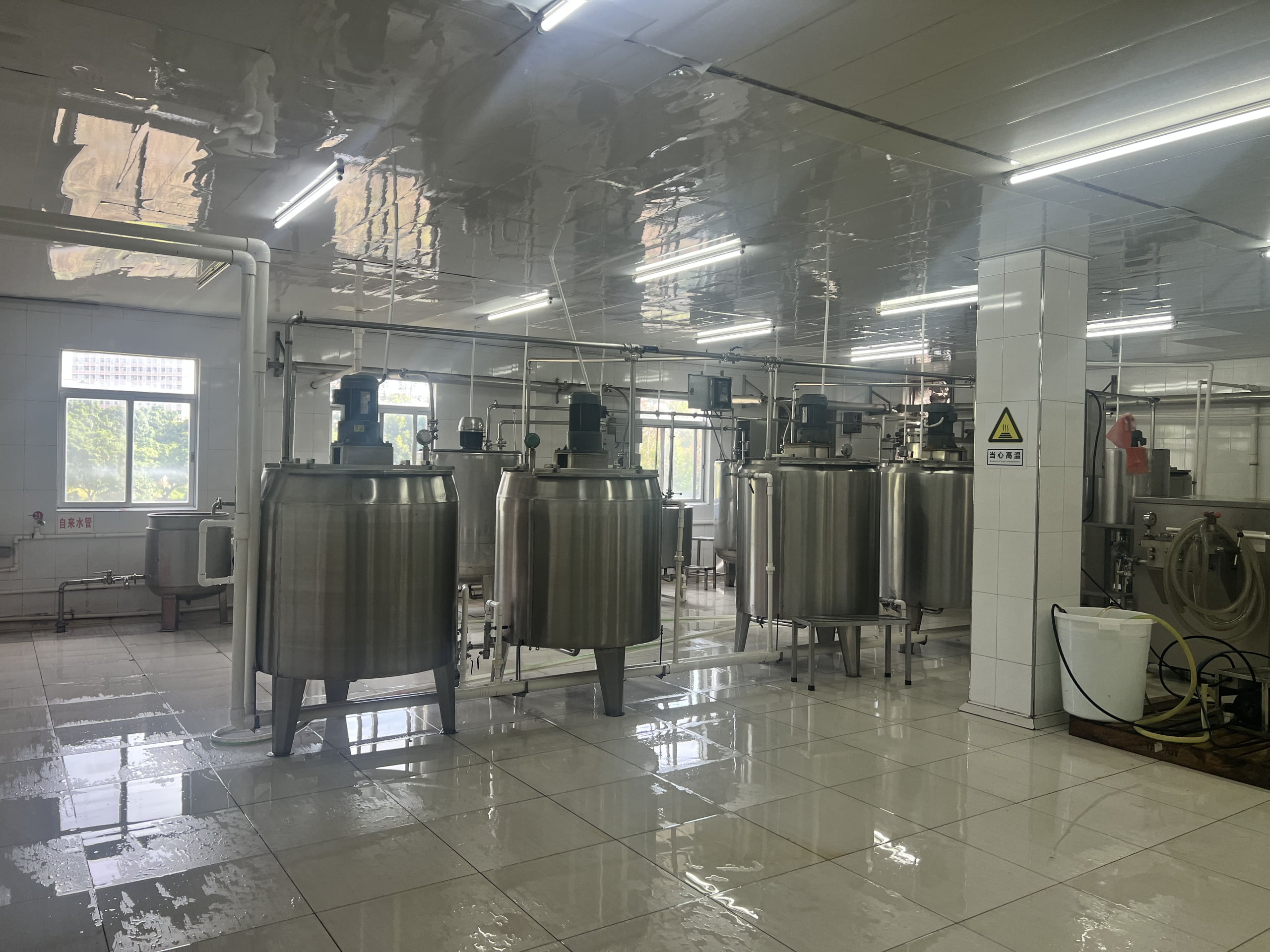
In projects involving our complete stick ice pop lines, this systems thinking is even more obvious. Cooking kettles, transfer hygiene, filling cadence, and sterilization are one chain. The same principle applies to spout pouches: once I design control handshakes and thermal windows as one architecture, unplanned downtime drops and quality complaints become easier to prevent instead of reactively fixing.
Why does cup diameter customization still affect pouch-line investment decisions?
Many buyers assume cup lines and pouch lines are separate strategic tracks. In theory, yes; in budgeting and operations, not really. In our industry reality, cup filling machines are typically customized by cup mouth diameter. Mold changeover is expensive, time-consuming, and often affects multiple linked components—feeding, sealing, guiding, and discharge handling. In Chinese factories, we often describe this as “pull one hair and the whole body moves.” It is an accurate engineering description, not an exaggeration.
So when a factory asks me whether to expand cup capacity or deploy a new Spout Pouch Filling and Capping Machine, I compare total flexibility cost, not machine price alone. If cup SKU expansion requires new mold sets, operator retraining, spare-part stocking, and repeated validation downtime, the hidden cost can exceed expectations quickly. A pouch line may offer better SKU agility for certain product families, especially where marketing keeps changing flavor variants and pack sizes.
However, pouch systems are not automatically superior. They bring their own discipline requirements: cap supply quality, pouch feeding consistency, and tighter hygiene management around spout interfaces. What I do in practice is run a scenario matrix: expected SKU churn, annual volume by format, sanitation labor availability, and target complaint rate. Then I map which format should carry base-load volume and which should absorb promotional volatility.
This is exactly why I avoid generic “how to choose a manufacturer” advice. The correct decision is line-architecture specific. If you ignore cup mold economics and only compare unit output, you are not making a strategy—you are purchasing future constraints.
What commissioning checklist do I use to reduce leakage, torque drift, and startup instability?
When I hand over a new line, I do not rely on one successful trial run. I use a commissioning checklist that ties process capability to daily operations. First, I define a torque capability window by product family, cap lot, and ambient condition. I record not just target torque, but control limits and response actions when drift begins. Without this, teams often discover problems only after finished goods have already reached distributors.
Second, I establish filler verification under worst-case viscosity conditions, usually at the high-solids edge and near shift-end temperature profiles. This catches dosing instability that looks fine under ideal test conditions. Third, I verify CIP/SIP sequence effectiveness with practical turnaround constraints. A cleaning routine that is microbiologically robust but operationally unrealistic will eventually be shortened by operators under pressure, and quality risk returns.
Fourth, I run packaging integrity checks beyond a simple burst test. I include cap re-torque audits after thermal exposure, seal-path inspection, and transport simulation for secondary handling shocks. Fifth, I train operators on failure signatures, not only button sequences: how wet neck patterns look, what irregular torque noise sounds like, and when to stop the line before minor deviations become batch-level incidents.
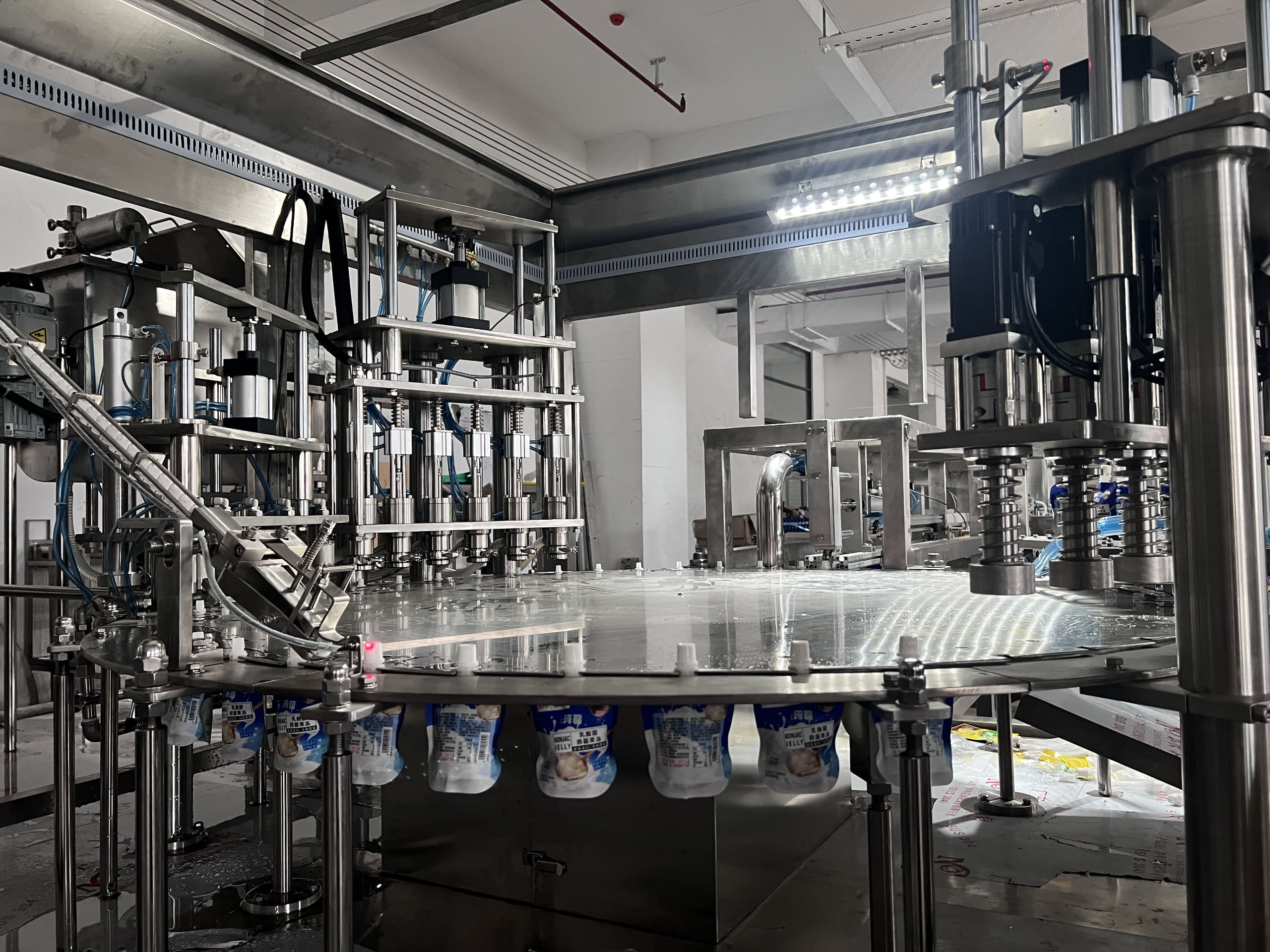
In my experience, this checklist-driven start-up is the fastest path to stable output. It shortens the learning curve, protects brand reputation, and gives management a realistic view of true production capability rather than optimistic first-day numbers.
A Spout Pouch Filling and Capping Machine delivers value only when I design it as part of one complete process, not an isolated asset.