How to Calculate ROI for a Linear Cup Water Filling and Sealing Machine
Quick Answer: Estimate how many sealed water cups you can actually sell in each season, using past orders where available and a conservative forecast where they are not. Calculate the cost of each saleable cup, including treated water, the cup, sealing film, labor, carton and transport. Then compare the additional annual cash generated by the proposed line with the full installed investment. Machine rated speed is not the same as annual sales, and a low machine price does not guarantee a short payback period.
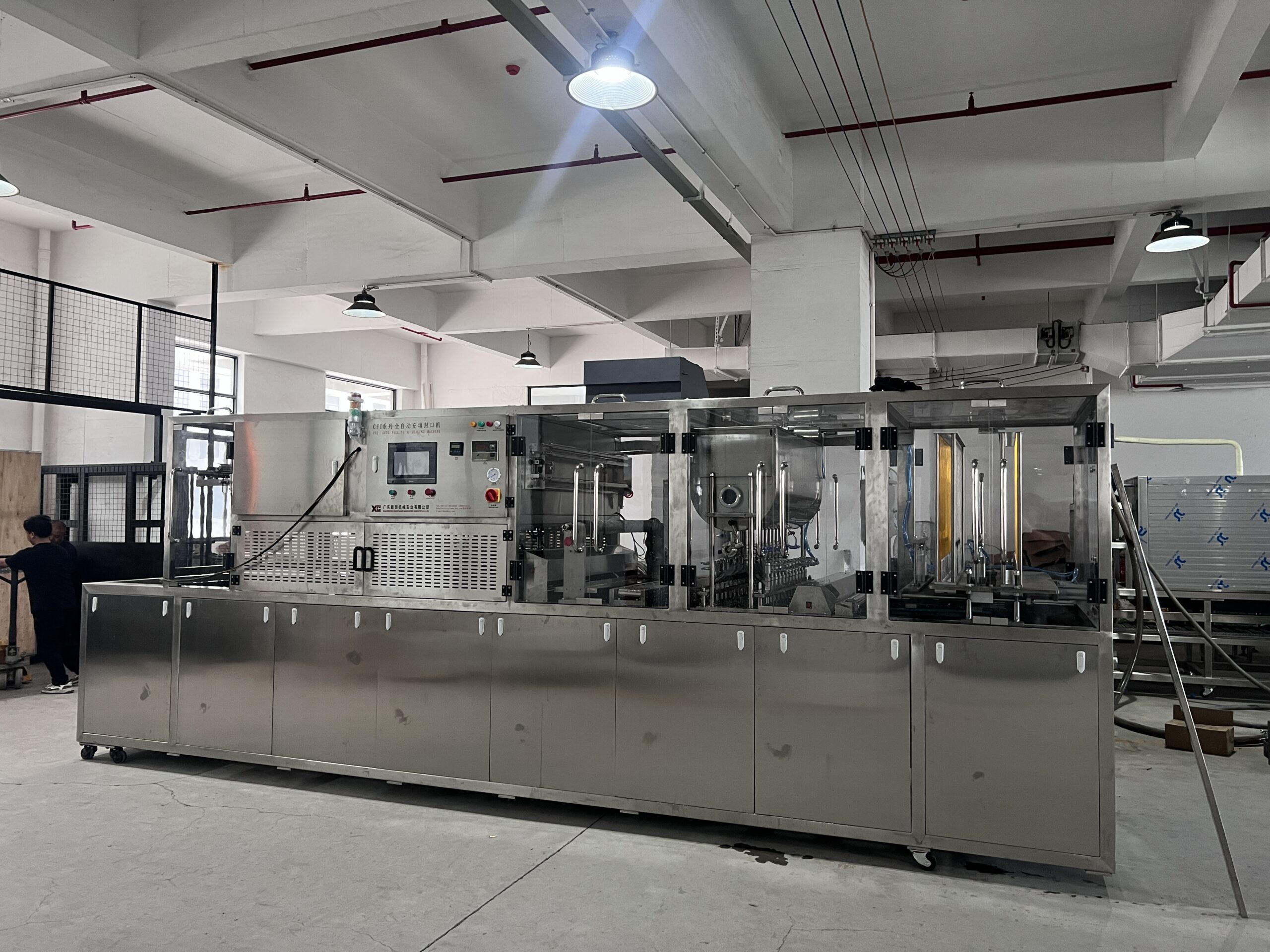
For a cup-water project, the difficult question is rarely how to divide a machine quote by a daily output figure. The difficult question is whether the factory has enough orders, the right cup and film, treated-water capacity, operators and distribution arrangements to turn that output into paid sales. Guangdong Xinchuang Machinery focuses on linear cup filling and sealing machines. The calculation below is a buyer-side planning method, not a performance or profit guarantee; final machine configuration and output need confirmation with the actual cup, film and factory requirements.
Forecast demand by season before choosing machine output
Begin with local demand, not the largest speed in a quotation. A buyer should estimate sales for each season from past orders, distributor commitments or a clearly labeled future expectation. If the business is new, keep the forecast as an assumption and run a lower-demand case as well. Record expected saleable cups by month or season, not just a single annual average. This is particularly important when the sales peak is short: a line may need enough capacity for peak orders, yet still have many idle days during the rest of the year.
Separate three quantities. Demand is the number of cups customers are likely to buy. Production capacity is the number the configured line could make during scheduled operating hours. Saleable output is what remains after stoppages, setup, rejected cups and sealing checks. For financial planning, sales cannot exceed either demand or saleable output. Manufacturing performance can be examined through availability, running speed and good-product rate, the components commonly used in overall equipment effectiveness2. Use actual trial or operating records where possible instead of assuming those factors are perfect.
| Planning input | Evidence to request | How it enters the ROI model |
|---|---|---|
| Seasonal sales forecast | Past orders, distributor plans or stated assumptions for each season | Caps the number of cups counted as sold |
| Required peak output | Peak-week orders, workdays and available shifts | Tests whether the proposed linear machine can serve the busy period |
| Practical line output | Trial result for the chosen cup, film and fill volume; planned operating hours | Estimates saleable production rather than catalog speed |
| Rejected or damaged cups | Sample-run inspection and later production records | Raises material cost per accepted cup and reduces sellable output |
| Unsold inventory | Customer orders and distribution plan | Does not become sales revenue simply because it was produced |
A practical forecast uses at least a conservative and an expected case. The conservative case matters most for investment risk: if the line only pays back under a peak-season forecast, the buyer should know that before placing an order. When comparing configurations, request output against the actual cup diameter, filling volume, lane arrangement and sealing material. A larger cup can change mold spacing, machine width and achievable rhythm. It is not safe to treat a major diameter change as a simple mold swap. Our separate guide to planning a packaged-water cup line covers how the filling machine fits into the wider production process.
Calculate the cost of a saleable water cup
Xinchuang’s factory-side starting point for an ROI discussion is straightforward: establish seasonal sales, then ask for the local cost of the cup, sealing film, labor, finished water, outer packaging and transport. The water itself should be costed as treated, usable water, not just raw-water purchase price. The selected treatment process may require consumables, power, testing, maintenance and disposal of a reject stream. Treatment technology and source-water quality change those costs; the U.S. EPA’s overview of drinking-water treatment technologies3 illustrates why a single universal treatment cost would be misleading.
| Cost item | Buyer-side measurement | Common omission or double count |
|---|---|---|
| Finished water | Raw water, treatment consumables, energy, testing and reject-water handling divided by usable output | Pricing raw water alone as if treatment were free |
| Cup and sealing film | Purchase cost plus normal usage and setup loss per accepted cup | Ignoring cups or film consumed in rejected packs |
| Labor | Operators, inspection and packing staff under the proposed line versus the present method | Counting a worker as a saving when that worker remains on payroll for the same hours |
| Carton and secondary packing | Carton, divider, wrap, label or pallet cost allocated by cups actually packed | Using machine output as the divisor when cartons contain fewer accepted cups |
| Transport and distribution | Local delivery, export freight or distributor delivery terms divided by sold cups | Assuming freight is included in the quoted sales price when it is not |
| Line utilities and upkeep | Measured or estimated electricity, compressed air, cleaning, wear parts and maintenance | Omitting upstream or downstream equipment that the project also needs |
Confirm the cup and film as a matched pair. Their purchase prices matter, but so does whether the sealing surface and film work reliably together. Food-contact packaging must be suitable for its intended use and market; the U.S. FDA’s explanation of food-contact materials4 is a useful technical reference, not a substitute for the buyer’s local compliance check. A cheap film that raises leak or reject rates can increase cost per saleable cup. The article on why cup-water products leak after sealing explains the packaging-quality side of that risk.
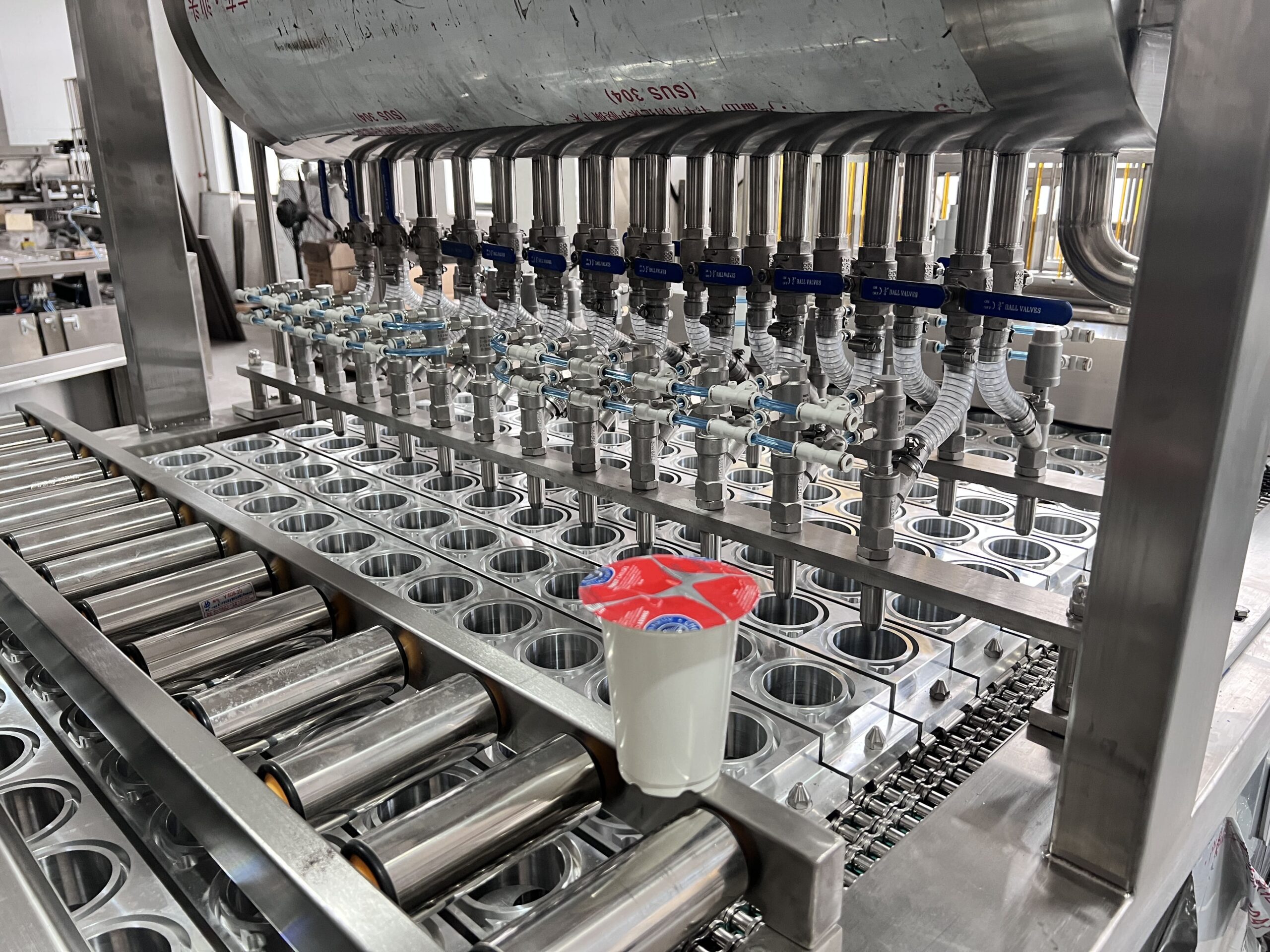
For costs that change with output, calculate variable cost per saleable cup = total variable cost for the period divided by accepted cups. Allocate carton and transport charges using the quantity actually shipped under the relevant sales terms. Treat fixed wages, rent and scheduled maintenance separately when they do not change with each extra cup. If a cost has both fixed and usage-based parts, split those parts rather than forcing the entire amount into one category. The U.S. Small Business Administration’s break-even guidance1 makes the same distinction between fixed and variable costs.
Turn the estimate into payback and ROI
First set the project boundary. A meaningful initial investment figure may include the linear filling and sealing machine, application-specific tooling, shipping, import costs, installation, commissioning and utility connections. Include water treatment, conveyors, date coding or carton packing equipment only if they are part of the proposed investment; state clearly when another supplier or an existing factory system provides them. A machine-only quotation and a complete installed line are not the same financial project.
Next calculate the net amount retained from sales. Contribution per sold cup = net selling price per cup minus variable cost per saleable cup. For a new cup-water business, multiply that contribution by forecast sold cups for each season, then subtract fixed operating costs attributable to the project. For a replacement line, compare the new line with the current process: use only the additional contribution and costs avoided by the change. Do not add a labor saving twice if it has already been removed from the new-line cost comparison.
Simple payback period = full initial project investment divided by annual incremental net cash flow, provided that net cash flow is positive. To express a simple, undiscounted planning ROI over a stated period, use (cumulative incremental net cash flow minus initial investment) divided by initial investment. The period must be named; a one-year return and a five-year return are not interchangeable. Financing charges, taxes, depreciation and the time value of money may require a separate accountant-led investment model. This simple factory planning calculation is meant to expose the operational assumptions, not replace financial advice.
Run the calculation again when cup cost, film cost, water treatment, wages, carton price, freight or distributor price changes. A line that looks profitable at full utilization may have a much longer payback if only one season reaches that volume. Conversely, a lower rated speed may be sufficient if it meets confirmed peak orders with acceptable quality. The most useful question is not, “How fast can it run?” but, “How many compliant cups can we sell, at what contribution, in the months when demand exists?”
Check factory conditions before accepting the spreadsheet result
Factory Insight
For a cup-water buyer, Xinchuang would begin with each season’s expected local sales, supported by order history or a clearly marked forecast. The buyer should then provide local prices for cups, sealing film, labor, treated water, cartons and transport. These figures often have more influence on a usable ROI estimate than a generic machine speed. The factory also needs the physical cup and film samples, filling volume, required output and available space before confirming a linear machine design. A cost model is only as reliable as the package samples and sales assumptions behind it.
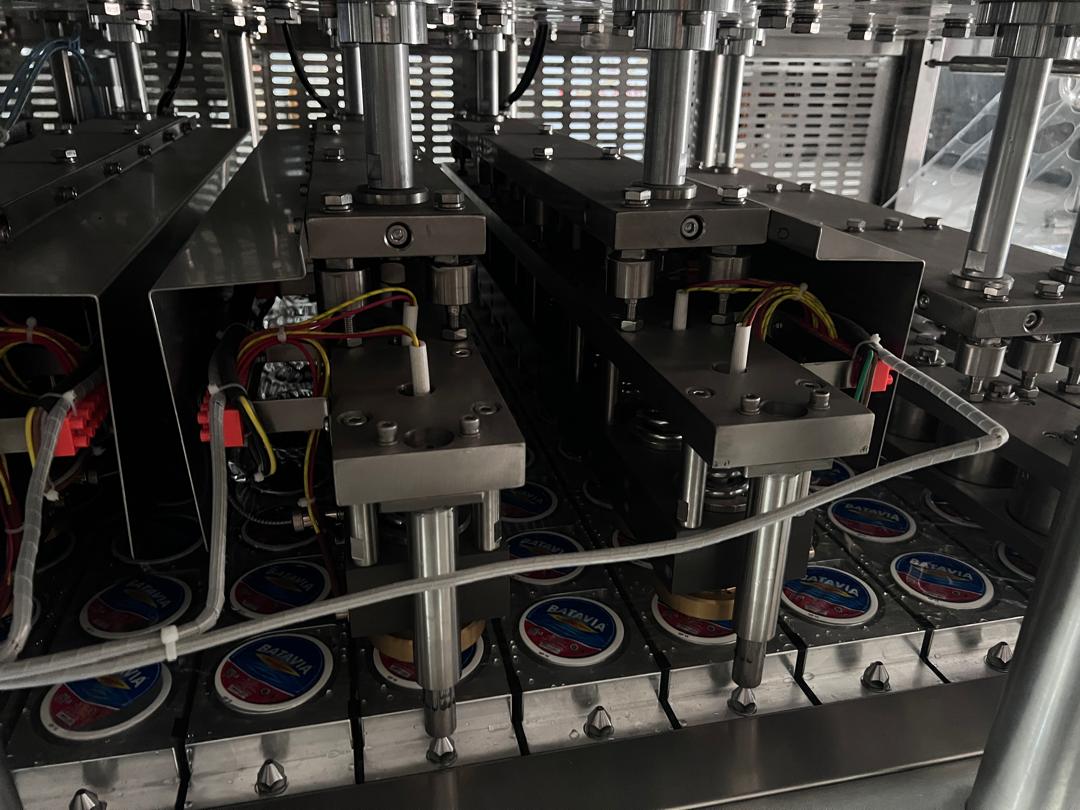
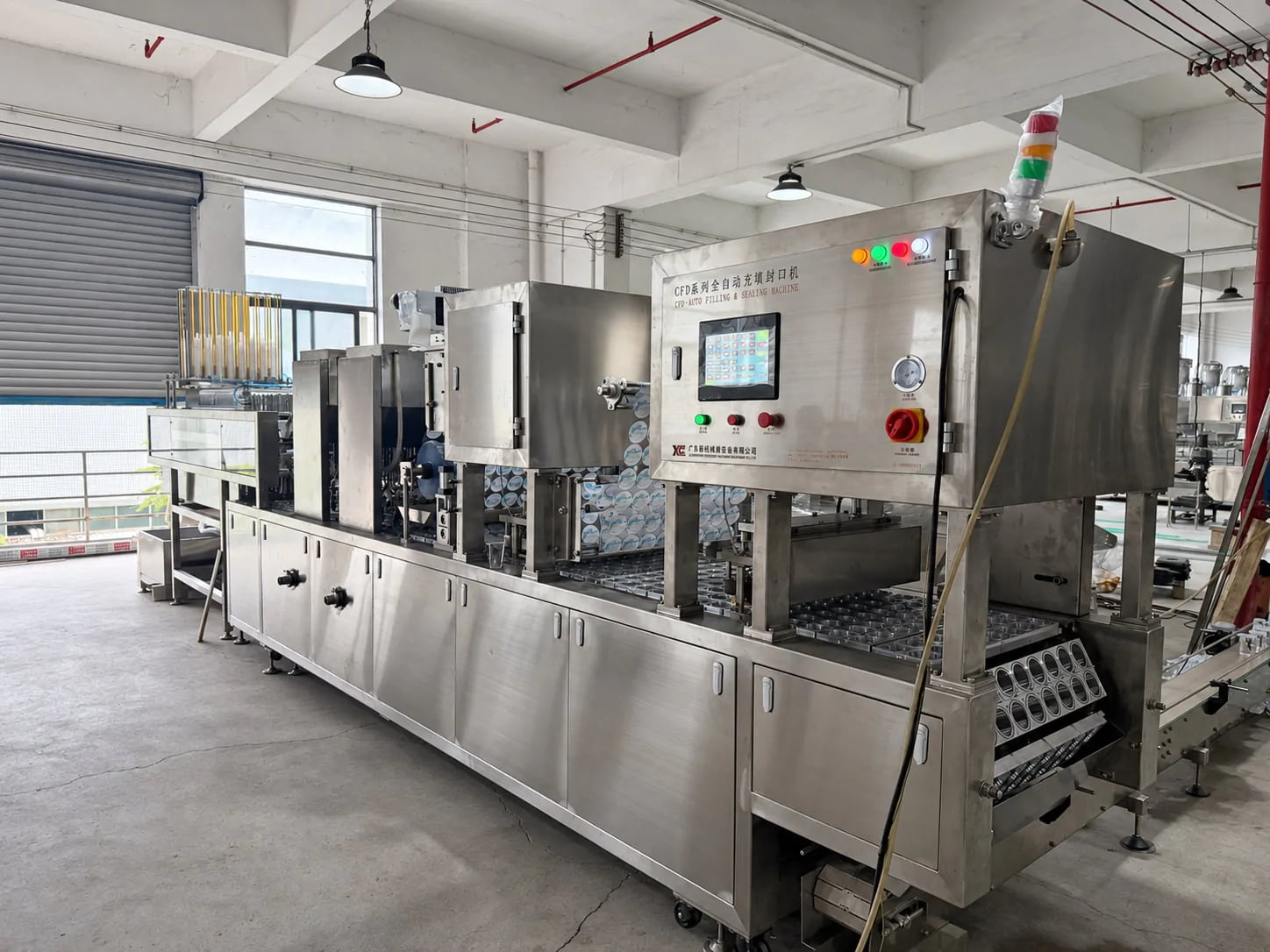
Check the utilities and downstream flow too. A compressed-air system may have a material operating cost depending on run time and load; the U.S. Department of Energy provides a method for calculating compressed-air cost5. Confirm power, air and water-treatment capacity at the site, and ask who is responsible for connecting the filling line to date coding, inspection, cartoning and dispatch. When the line is exported, machine width, transport sections, access doors and installation space should be checked before the quotation is treated as final.
Buyer Checklist
- Provide historical orders or a conservative seasonal demand forecast, plus expected net selling price.
- Confirm cup diameter, cup shape, fill volume, sealing-film sample and carton pack count.
- List local costs for finished water, cups, film, labor, outer packaging and delivery.
- Define the equipment scope: machine only or an installed line with treatment and downstream packing.
- Ask for output and reject-rate assumptions tied to your own samples and intended operating hours.
- Calculate both peak-season capacity and lower-season cash flow; compare a conservative case with the expected case.
Not Suitable When
A large automated line is not automatically a good investment when the buyer has no credible sales forecast, very short peak demand, unresolved water-treatment capacity or packaging samples that have not been checked. It is also too early to claim an ROI when the sales price excludes freight but the cost model excludes freight as well, or when cartons, rejected cups and utilities have been left out. In those situations, resolve the missing assumptions and compare a smaller configuration before committing capital. Final capacity and machine suitability depend on sample checking and the agreed line configuration.
Conclusion
Calculate cup-water machine ROI from seasonal sold cups and contribution per acceptable cup, then compare the resulting incremental cash flow with the complete installed investment. Cup, film, treated water, labor, cartons and transport are core inputs, not minor afterthoughts. Confirm the real cup, film, filling volume, utilities and layout with the machinery supplier before turning a planning estimate into a purchase decision.
Footnotes
- U.S. Small Business Administration, Break-even point: practical distinction between fixed costs, variable costs and sales volume. Return to text.
- NIST, Recommendations for Collecting, Curating, and Re-Using Manufacturing Data: explains availability, performance and quality in equipment-effectiveness measurement. Return to text.
- U.S. EPA, Overview of Drinking Water Treatment Technologies: treatment method and source water affect system requirements and cost. Return to text.
- U.S. FDA, Food Packaging and Other Food-Contact Substances: packaging and its components require suitability for their intended food-contact use. Return to text.
- U.S. Department of Energy, Determine the Cost of Compressed Air for Your Plant: operating hours and load affect compressed-air utility cost. Return to text.