
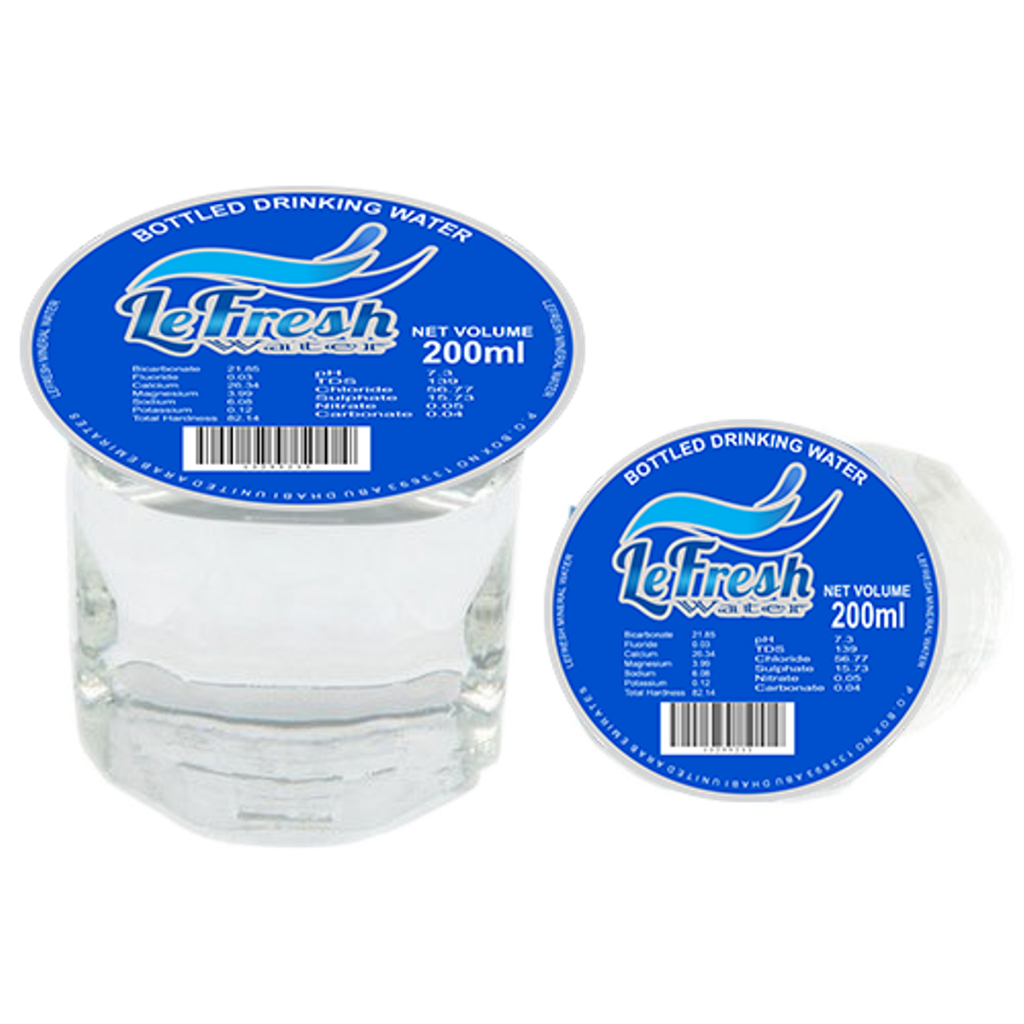
Cup water leakage is a common concern when buyers test a cup filling and sealing machine. Some buyers immediately assume the machine is the only cause, but leakage should be checked in two directions first: whether the cup body is leaking, or whether the sealing film area is leaking.
The direct answer is: cup water products may leak because the cup itself is too thin or damaged under pressure, or because the sealed film area is not strong enough. Film leakage may come from poor sealing film strength, unsuitable film formulation, an uneven sealing head, burrs or sharp points on the sealing head, or sealing temperature that is too low to seal tightly.
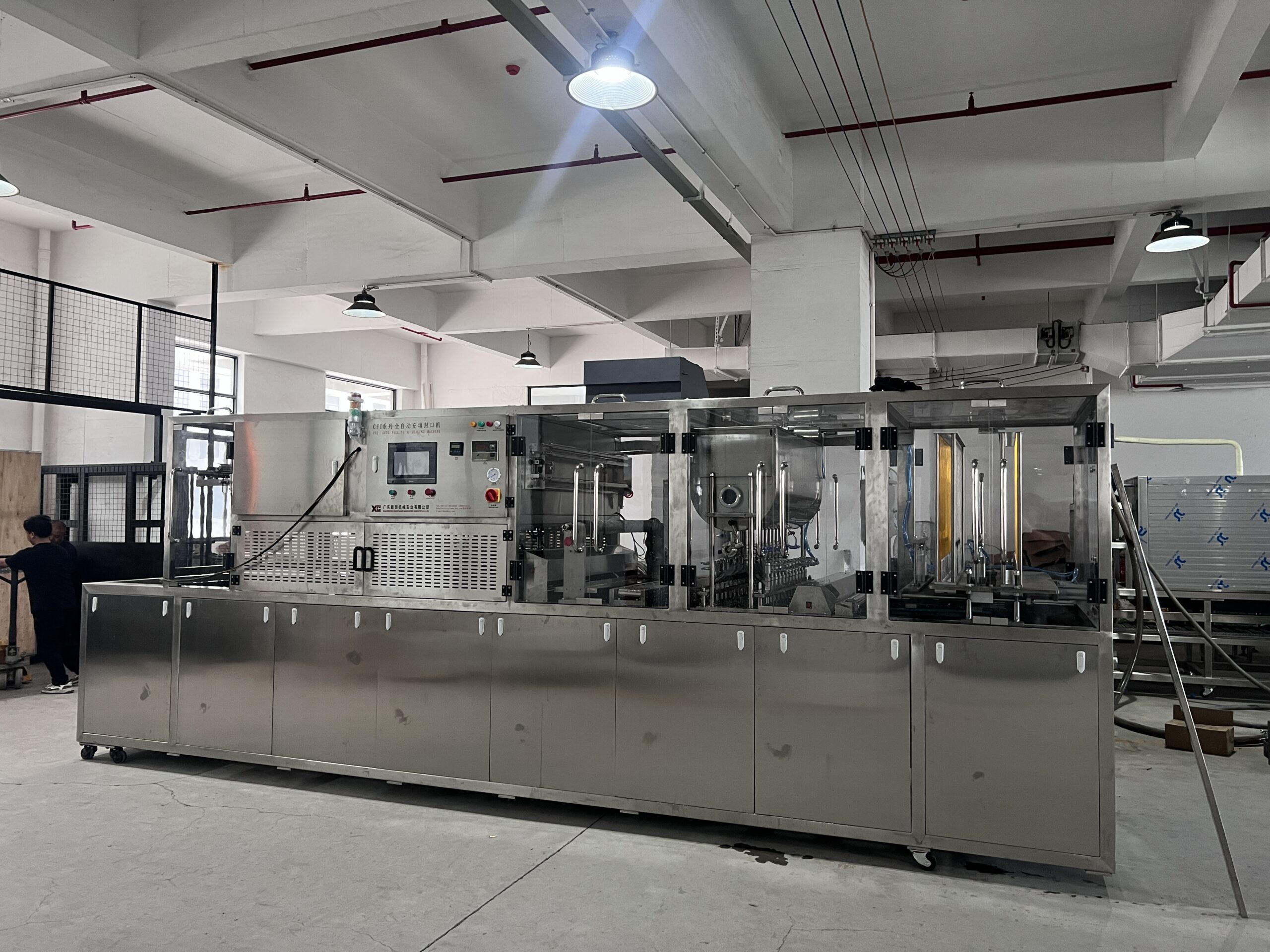
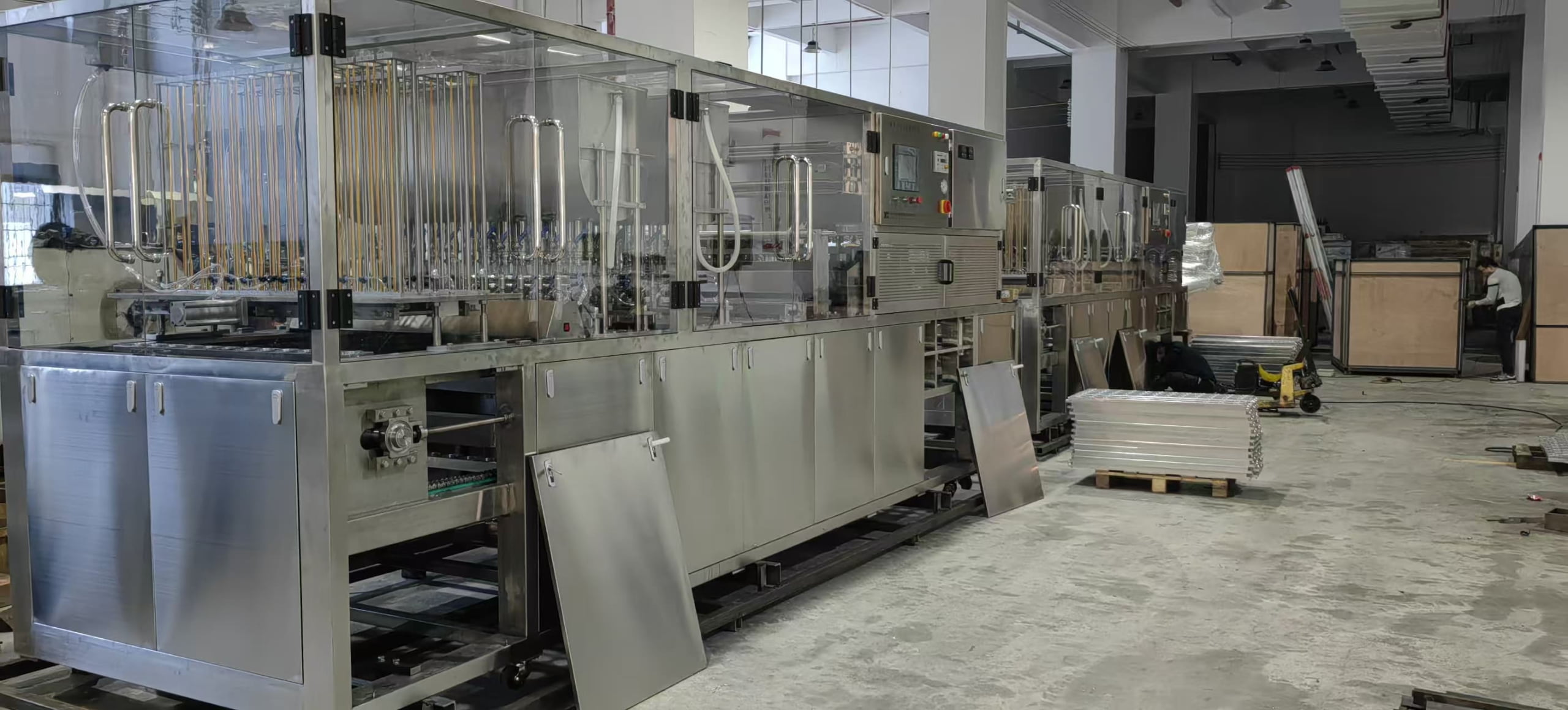
Guangdong Xinchuang Machinery Industry Co., Ltd. builds linear cup filling and sealing machine solutions for cup water and other cup products. For cup water projects, leakage control depends on the complete package: cup material, cup wall thickness, cup rim flatness, sealing film, sealing head condition, sealing temperature, pressure, dwell time, and downstream handling.
Useful technical terms for this topic include heat sealing1, polypropylene2, polyethylene3, packaging4, and quality control5. These concepts help buyers discuss leakage causes more precisely.
Quick Answer: Is the cup leaking or the seal leaking?
The first inspection step is to separate the leakage source. If water comes from the cup wall, bottom, or side, the problem may be cup strength, cup thickness, cup damage, or compression during handling. If water comes from the rim or film area, the problem is more likely related to sealing film, sealing head, temperature, pressure, or rim cleanliness.
Buyers should not describe the problem only as “leaking cups.” They should confirm the leakage point: cup body leakage and sealing area leakage are different problems, and the corrective actions are different.
This distinction saves time. If the cup body is too thin, increasing sealing temperature will not solve it. If the sealing film is weak or the sealing head is uneven, changing cup thickness will not solve the seal problem.
Why does the cup body leak?
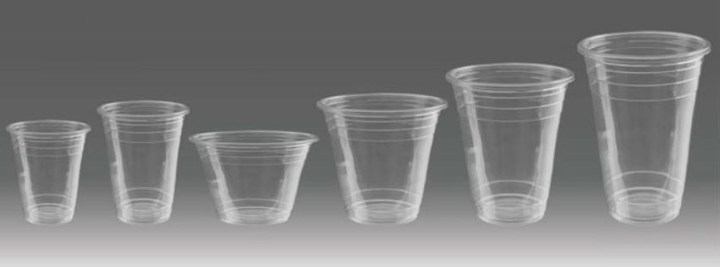
Cup body leakage can happen when the cup material is too thin, weak, or easily deformed. During filling, sealing, conveying, packing, or stacking, the cup may be squeezed. A weak cup may crack, deform, or leak at the bottom or side wall.
If the cup itself leaks, the buyer should check cup thickness, cup material, cup forming quality, bottom strength, and whether the cup is being squeezed during downstream handling.
For low-cost cup water projects, some buyers choose very thin cups to reduce packaging cost. This may be acceptable only if the cup can still survive filling, sealing, packing, transportation, and stacking. The final decision should be based on real cup testing, not only price.
Cup body leakage checklist
| Inspection Point | Possible Problem | Factory-Side Action |
|---|---|---|
| Cup wall thickness | Cup too thin and easy to deform | Test stronger cup sample before machine confirmation |
| Cup bottom | Weak forming or small crack | Inspect filled cups after conveying and packing |
| Cup rim and side wall | Damage during cup dropping or handling | Check cup stack quality and cup dropping structure |
| Downstream pressure | Cups squeezed during packing or stacking | Review conveyor, packing method, and carton loading |
Why does the sealing film area leak?
If leakage appears at the rim or film area, the first checks should be sealing film strength, film formulation, cup rim flatness, sealing head condition, sealing temperature, sealing pressure, and sealing dwell time.
Film leakage may happen because the sealing film is not strong enough, the film formulation is not suitable for the cup material, or the machine sealing conditions are not matched to the package.
Sealing film is not just a cover. It must match the cup material and the sealing temperature range. If the film formula is poor, too weak, or not compatible with the cup, the seal may peel, wrinkle, leak, or break during handling. Buyers should send both cup and film samples for testing.
The cup rim also matters. If the rim is uneven, dirty, wet in the wrong place, or deformed, the sealing film may not bond evenly. For cup water, the product is simple, but the package tolerance still matters.
How can the sealing head cause leakage?
The sealing head directly contacts the film during sealing. If the sealing head is not flat enough, the pressure may not be even across the cup rim. Some areas may seal tightly, while other areas remain weak.
If the sealing head has burrs, scratches, sharp edges, or foreign material, it may damage or puncture the sealing film. A small defect on the sealing head can create repeated leakage at the same position.
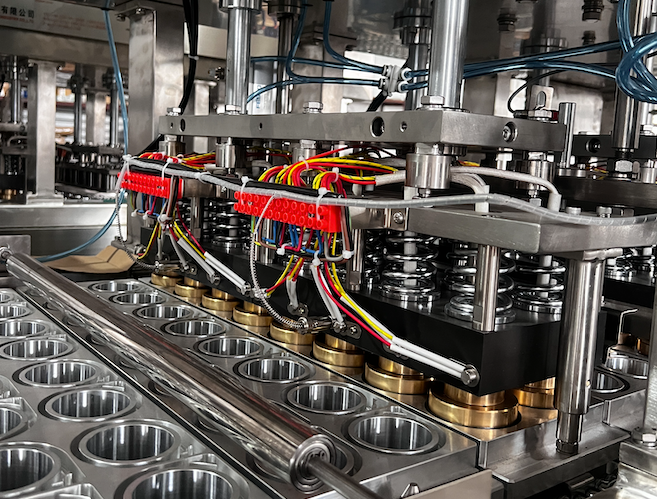
When leakage appears repeatedly at a similar position on many cups, the sealing head should be inspected carefully. Operators should check flatness, cleanliness, burrs, film residue, and whether the sealing station is aligned correctly with the cup rim.
Why does low sealing temperature cause loose sealing?
Sealing temperature must be high enough to activate the sealing layer of the film and bond it to the cup rim. If the temperature is too low, the film may look attached but not seal tightly. Leakage may appear after cooling, squeezing, carton packing, or transportation.
Low sealing temperature is one common reason for weak sealing. But temperature should not be increased blindly; it must be adjusted together with pressure, dwell time, cup material, and film material.
If temperature is too high, the film may deform, burn, shrink, or create poor appearance. If pressure is too high, thin cups may deform. If dwell time is too short, sealing may be incomplete. For stable cup water production, the machine setting should be tested with the real cup and film.
Buyer Checklist: What should be checked before ordering?
Before ordering a cup water filling and sealing machine, buyers should prepare real cup samples, sealing film samples, filling volume, cup material, cup thickness, target output, packing method, and transportation requirements. Leakage testing should include filled cups after sealing, after conveying, after packing, and after basic compression or handling checks.
The practical buying rule is: do not confirm a cup water machine only by machine model. Confirm the cup, film, sealing test, leakage point, and downstream handling method.
| Leakage Area | Main Cause Direction | What to Confirm |
|---|---|---|
| Cup body | Thin cup, weak material, deformation, pressure damage | Cup thickness, cup strength, packing pressure |
| Film seal | Weak film, unsuitable formulation, poor bonding | Film and cup compatibility |
| Sealing head | Uneven head, burrs, scratches, sharp points | Flatness, cleanliness, surface condition |
| Machine settings | Low temperature, low pressure, short dwell time | Test sealing parameters with real samples |
| Downstream process | Squeezing during conveying, packing, or stacking | Check full-line handling after sealing |
For related planning, buyers can read why cup size affects a cup filling and sealing machine, why buyers should send samples before choosing a filling machine, how to choose a linear cup filling and sealing machine, and how downstream line planning affects cup products.
Not Suitable When
This troubleshooting method is not suitable when the buyer does not provide real cup and film samples. Leakage is a package-machine problem. Without samples, the machine supplier cannot confirm film compatibility, cup strength, sealing temperature, pressure, dwell time, or whether the cup can handle packing pressure.
It is also not suitable to blame only the machine before checking whether the cup body leaks or the film seal leaks. The solution depends on the leakage source.
Factory Insight
From a factory-side view, cup water leakage should be diagnosed step by step. First identify whether the cup leaks or the sealing film leaks. If the cup leaks, check whether the cup is too thin or damaged by pressure. If the film area leaks, check film strength, film formulation, sealing head flatness, burrs, puncture marks, and sealing temperature.
The most common mistake is treating all leakage as one problem. Cup body leakage and sealing film leakage require different corrective actions. A good quotation discussion should include cup sample, film sample, leakage test method, packing method, and expected transportation conditions.
Conclusion
Cup water products may leak after filling and sealing for several reasons. The cup itself may be too thin, weak, or damaged by squeezing. The sealing film may have poor strength or unsuitable formulation. The sealing head may be uneven, have burrs, or puncture the film. Sealing temperature may also be too low, causing the film to seal loosely.
Buyers should first locate the leakage source: cup body or sealing film area. Then they should test real cups and films on the machine, adjust sealing parameters carefully, and confirm that downstream conveying, packing, and stacking do not damage the finished product.
- Heat sealing depends on temperature, pressure, dwell time, film structure, and cup rim quality. Return
- Polypropylene is common for cup packaging, but material grade, wall thickness, and rim quality affect sealing and strength. Return
- Polyethylene is often used in packaging film structures; actual compatibility depends on the complete film and cup material. Return
- Packaging performance includes sealing, strength, handling, stacking, and transportation, not only appearance. Return
- Quality control should separate leakage causes before changing machine settings or packaging materials. Return