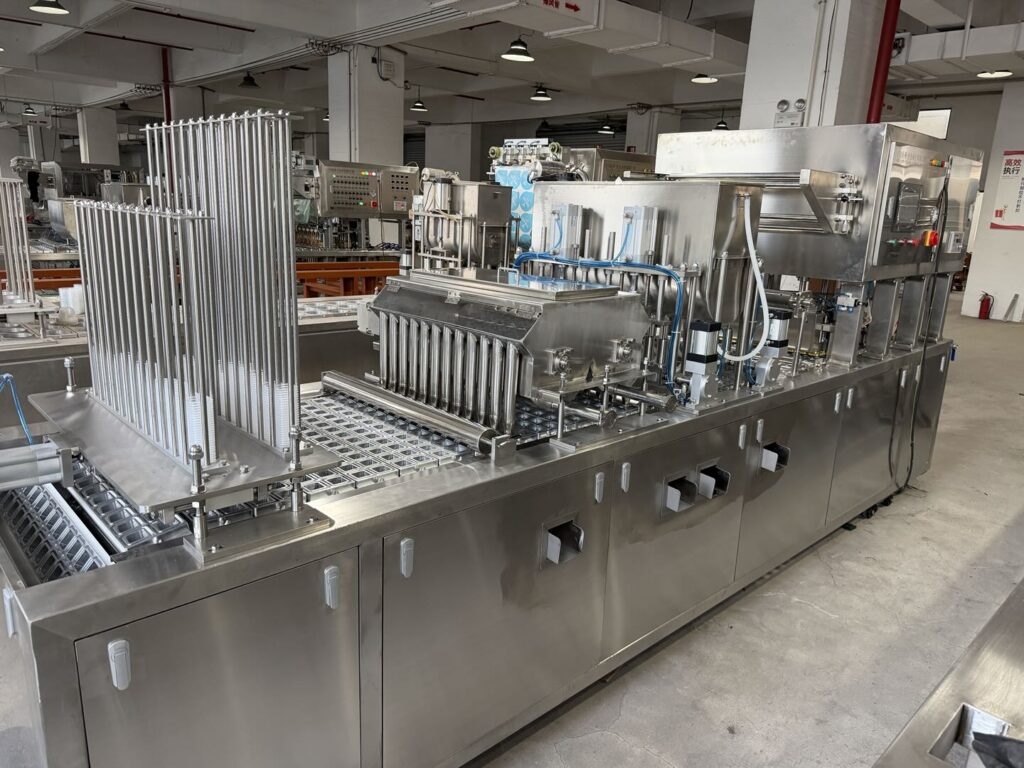
Many buyers ask us for a machine recommendation before they send real cups, pouches, tubes, caps, sealing film, or product samples. The request is understandable because every project has a launch date and budget pressure. But packaging machinery is not selected safely from product name alone. A jelly cup, yogurt cup, spout pouch, ice pop tube, food tray, or blister pack may look simple in a photo, while the real sample can reveal weak rims, soft material, unstable spout position, poor cap thread, difficult filling behavior, or a sealing material that does not match the process.
The direct answer is: buyers should send real samples before choosing a filling and sealing machine because machine-product matching depends on cup, pouch, tube, tray, filling volume, product viscosity, sealing material, capacity target, factory layout, pasteurization or cooling needs, future expansion, and after-sales support. Samples turn a vague quotation into an engineering decision.
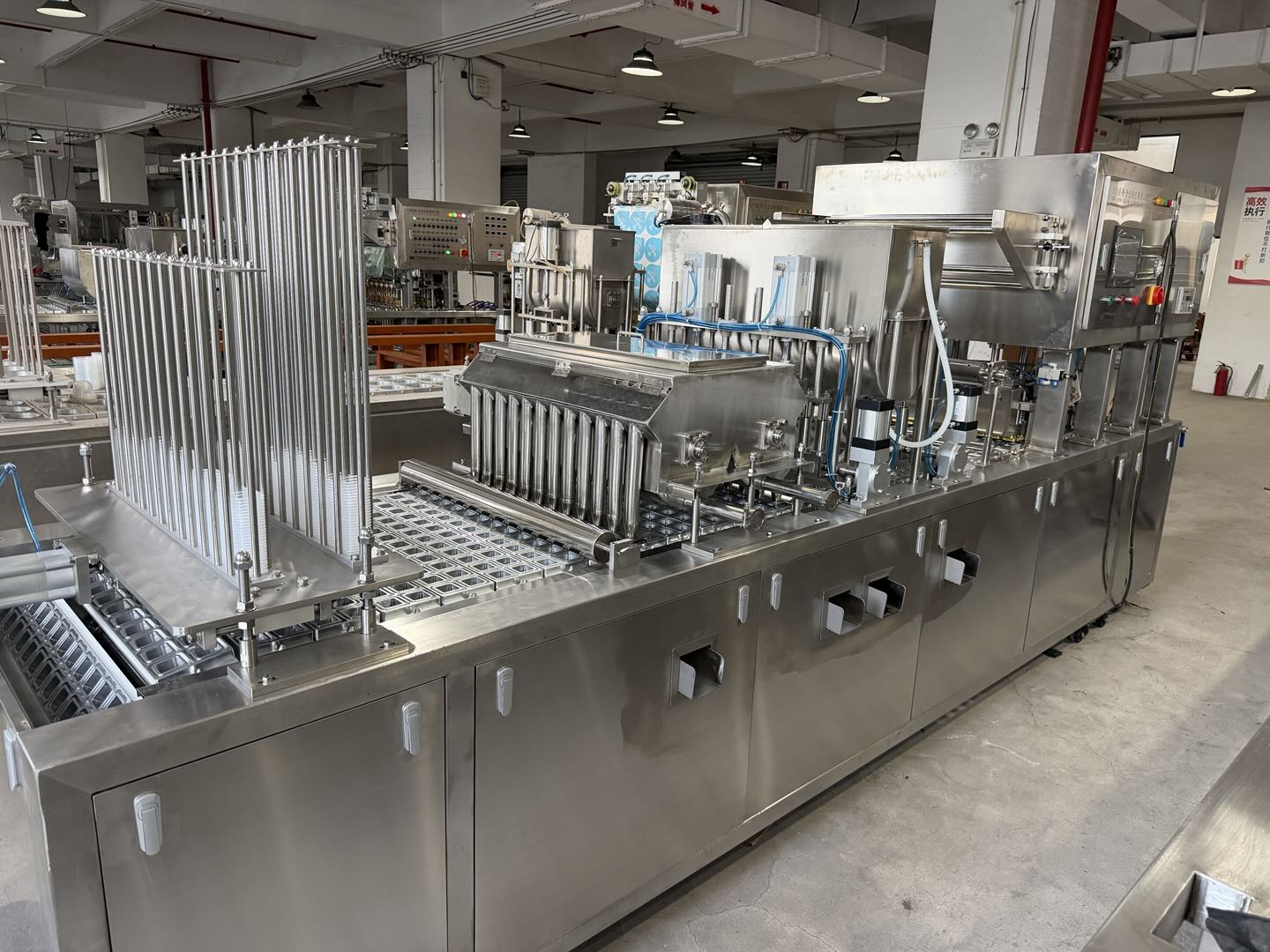
At Guangdong Xinchuang Machinery Industry Co., Ltd., we review projects from the factory side. We build and support cup filling and sealing machines, spout pouch filling and capping machines, ice pop and ice lolly tube filling and sealing machines, blister packing machines, pasteurizers, cooling lines, and full line solutions. In every product line, the same buyer decision logic appears: confirm the package and product first, then decide whether the buyer needs one machine, a connected process line, or a full factory-side solution.
Several technical topics should be clear early. Heat sealing1 depends on material compatibility, pressure, temperature, and dwell time. Pasteurization2 can change line layout and cooling requirements. Food contact packaging materials3 must be selected according to product contact, process temperature, and market requirements.
What samples should buyers send before asking for a final quotation?
A useful machine discussion starts with physical samples. For a cup filling and sealing machine, we need empty cups, sealing film, product sample or a realistic substitute, target filling volume, and notes about storage or heat treatment. For a spout pouch filling and capping machine, we need pouch samples, caps, product behavior, filling volume, spout position, and cap thread details. For an ice pop or ice lolly tube machine, we need tube samples, cap or sealing material, filling volume, freezing or cooling plan, and finished product handling method. For a blister packing machine, we need tray or forming material, product shape, loading method, sealing film, and packing target.
Buyers should send the actual packaging material that will be used in production, not only drawings. A drawing gives size targets, but a sample shows tolerance, stiffness, rim quality, feeding behavior, sealing surface, and handling risk.
Sample checking is not only about whether the product can fit inside the machine. We check whether the cup can drop automatically, whether the pouch can stand or be held steadily, whether the tube mouth aligns with the filling nozzle, whether the blister cavity supports the product, and whether sealing pressure can be applied without deformation. If the sample fails at these basic handling points, increasing machine speed will not solve the problem.
For liquid or semi-liquid products, buyers should also send product information. Water-like drinks, thick yogurt, jelly, puree, sauce, tofu, coffee powder, and products with particles need different filling logic. The filling pump, nozzle size, anti-drip structure, hopper, tank, valve, and cleaning access should match the product. A machine that fills water cleanly may not handle thick sauce or fruit pieces without design changes.
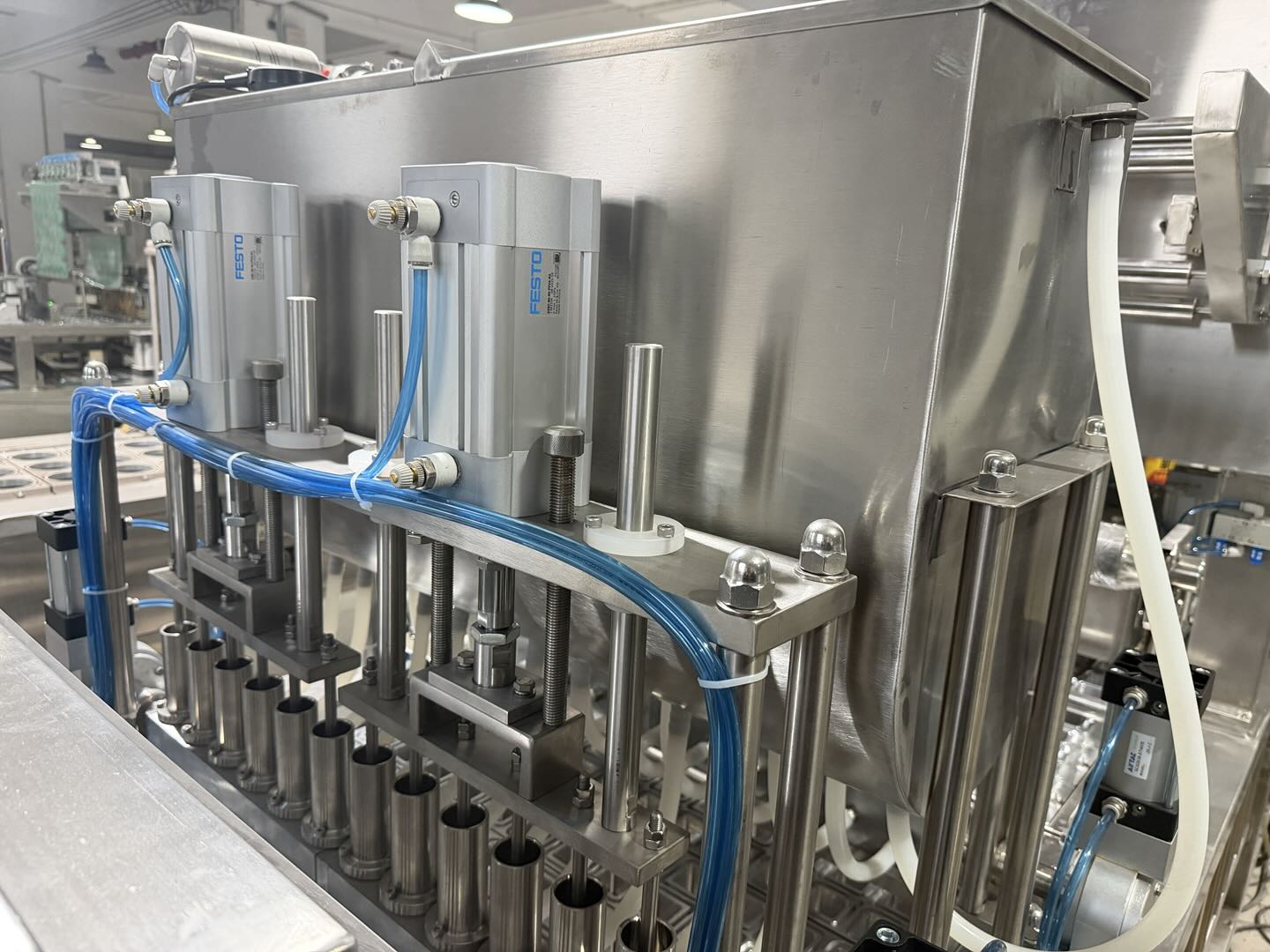
Sample checking checklist
| Sample Type | What We Check | Why It Changes the Machine |
|---|---|---|
| Cup, tube, pouch, or tray | Size, tolerance, stiffness, rim, mouth, spout, or cavity shape | Controls holders, molds, rails, guides, and positioning |
| Sealing film, lid, cap, or foil | Material, thickness, fit, print mark, peel target, thread quality | Controls sealing tool, heat setting, cutting, cap sorting, and capping head |
| Product sample | Viscosity, foam, particles, temperature, stickiness, separation | Controls pump, nozzle, tank, anti-drip logic, and cleaning method |
| Filling volume | Headspace, appearance, overflow risk, package strength | Controls filling stroke, dosing method, nozzle height, and line speed |
| Future formats | Second cup size, second pouch, larger tube, or different product | Controls format parts, changeover design, and expansion limits |
How do cup, pouch, and tube size affect machine-product matching?
Package size decides much more than the outside dimensions of the machine. Cup diameter affects cup dropping, mold plate design, filling nozzle spacing, sealing plate size, film cutting, and discharge. Pouch width, height, and spout position affect pouch holding, nozzle entry, cap alignment, capping stability, and leakage checking. Tube size affects feeding, filling accuracy, sealing position, cooling or freezing flow, and finished product handling. Blister tray size affects forming, loading, sealing, cutting, and stacking.
Package size should be treated as a production constraint, not a label. If the buyer wants several cup, pouch, or tube sizes on one machine, we must define which format changes are realistic, which parts need replacement, and which combinations are not suitable.
Not suitable when a buyer expects one low-cost machine to run many unrelated package sizes, materials, filling volumes, and product viscosities without changing molds, holders, nozzles, sealing tools, cap chucks, rails, or program settings. Some flexibility can be planned, but mechanical contact parts are normally built around a defined product family. A clear first product family is the best way to avoid expensive modifications after delivery.
Sample tolerance also matters. Two cups with the same nominal diameter may not behave the same in automatic cup dropping. A pouch from one supplier may stand more steadily than another pouch with similar printed dimensions. A tube mouth may be slightly oval instead of round. These details can be small on paper but large during daily production.
Why should sealing material be checked together with the machine?
Sealing material is often chosen by the buyer’s packaging supplier before the machine conversation starts. That can work, but only if the material matches the machine process. A cup sealing film must bond to the cup rim. A tube seal must close without burn-through or weak corners. A blister lid must match the forming material and product shape. A spout pouch cap must tighten enough to seal without damaging the spout thread.
Sealing quality depends on the package, sealing material, product residue on the sealing area, heat or pressure setting, dwell time, support under the package, and handling after sealing. We should test the material pair before treating the quotation as final.
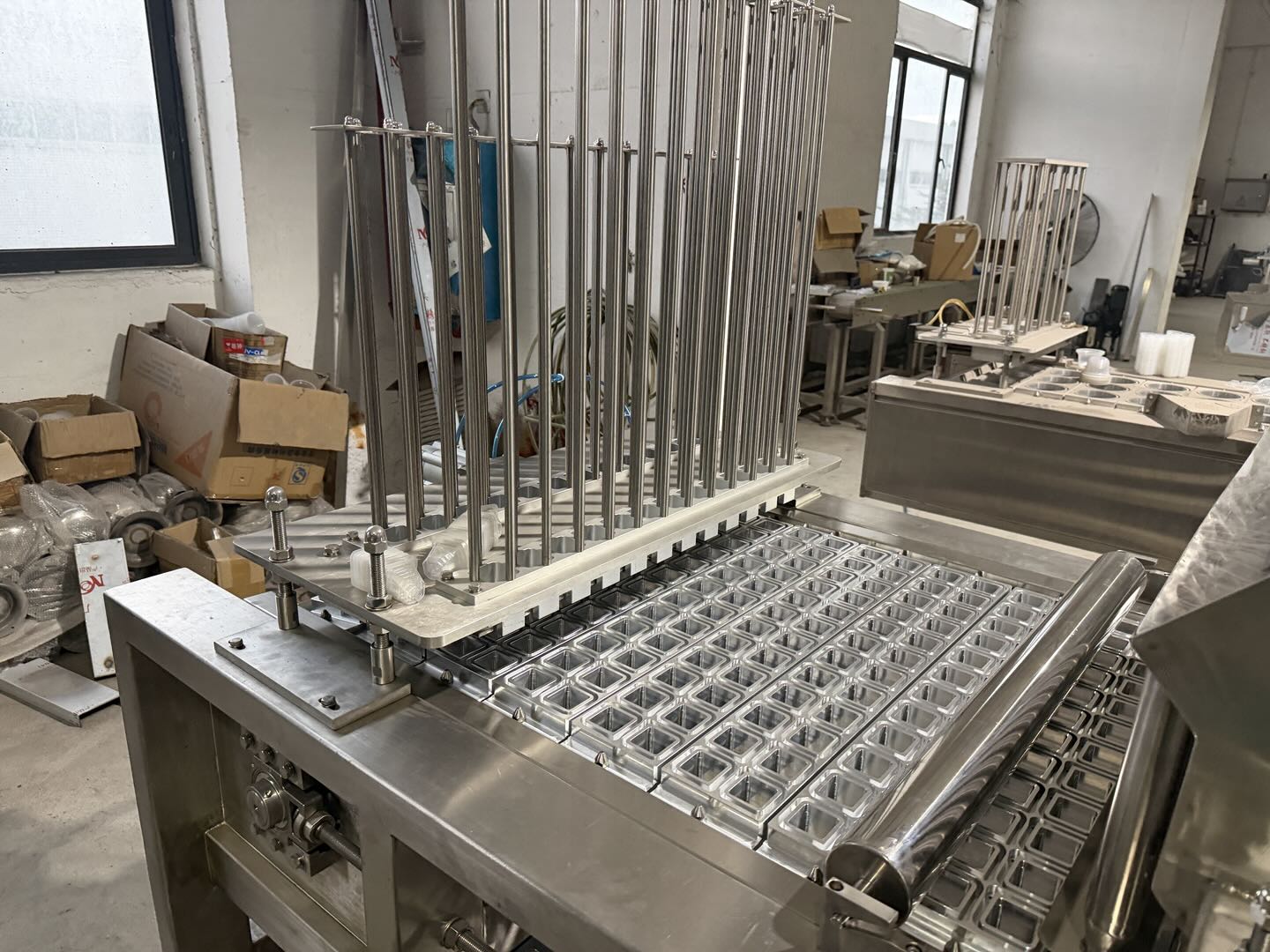
Filling volume is connected to sealing quality. If a cup or pouch is overfilled, product may reach the rim or cap area and cause leakage. If a tube has too little headspace, sealing pressure may push product into the seal zone. If a blister tray holds a loose product, product movement may interfere with lid contact. Good filling accuracy protects both product cost and sealing stability.
Buyers should also confirm whether the material will face pasteurization, cooling, chilled storage, frozen handling, or hot filling. A seal that looks acceptable immediately after sealing may fail after heat, cooling, drying, transport, or stacking if the material pair is weak. This is why single-machine selection and full-line process planning cannot be separated for many food projects.
When is a single machine enough, and when does a buyer need a full line?
A single machine is enough when the buyer already has stable upstream product preparation, packaging material supply, utilities, quality control, operators, and downstream packing. For example, an established factory may only need a new cup filling and sealing machine to connect with existing mixing, cooling, coding, and packing. In that case, the project should focus on package fit, filling method, sealing material, available layout, and integration points.
A full line solution is better when the buyer needs product preparation, filling, sealing or capping, pasteurization, cooling, drying, coding, conveyors, packing flow, utility planning, factory layout, future expansion, and after-sales support designed together.
Many problems happen outside the main filling station. If the pasteurizer is added late, the workshop may lack straight-line space, drainage, water supply, or maintenance access. If the cooling line is too short for the process target, the finished product may stay too warm for packing. If the downstream packing table is slow, a faster filling machine only creates accumulation. If the product tank is far away, transfer stability and cleaning become harder.
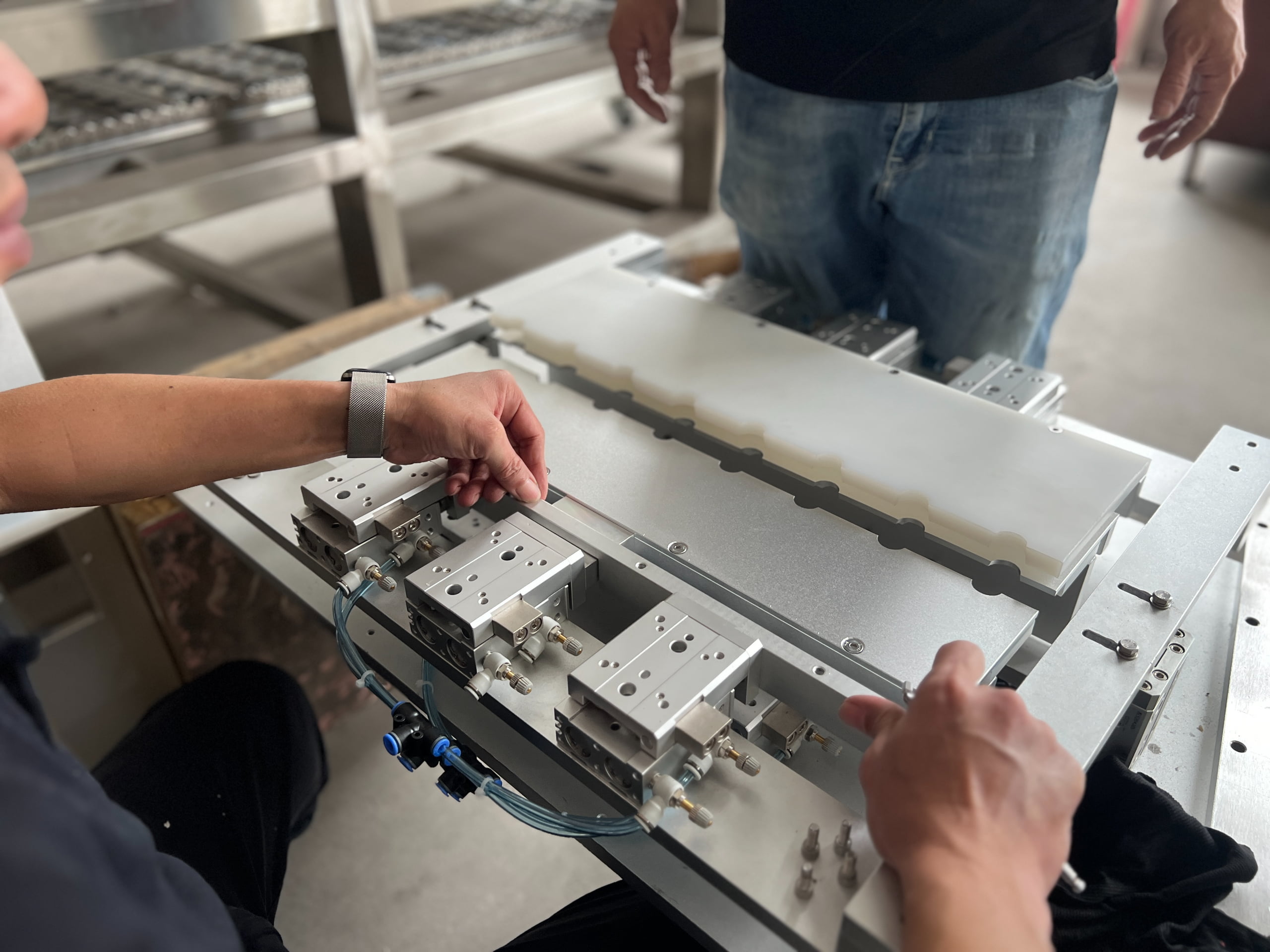
For related project logic, buyers can compare our guide on whether a cup filling and sealing machine needs a pasteurizer and cooling line, our article on planning a spout pouch filling and capping line before ordering, and our guide to choosing an ice lolly tube filling and sealing machine.
| Buyer Situation | Better Choice | Decision Logic |
|---|---|---|
| Existing factory with stable product preparation | Single filling and sealing machine | Lower scope if package, utility, and downstream handling are ready |
| New food packaging project | Full line solution | Process, utilities, layout, cleaning, and packing need one plan |
| Product needs pasteurization | Machine plus pasteurizer and cooling line | Thermal process affects material, layout, and output |
| Many future package sizes | Format planning before order | Change parts and machine limits must be agreed early |
| Limited workshop space | Layout review first | Operator access, drainage, and service access cannot be ignored |
How should buyers plan capacity, layout, and future expansion?
Capacity should be planned from the whole line, not from a single station. Filling speed may be limited by cup dropping, pouch feeding, tube positioning, product preparation, sealing dwell time, cap sorting, pasteurization residence time, cooling, drying, coding, packing, operator rhythm, and cleaning. A short test speed is not the same as stable shift output.
Buyers should plan capacity from the slowest required process step and the finished product condition. The product is not truly finished until it is filled, sealed or capped, treated if needed, cooled if needed, coded, inspected, and ready for packing.
Factory layout must include material flow, operators, rejected product handling, finished product route, electrical cabinet position, compressed air, water, drainage, heating source if needed, cooling water or chilled water if needed, and maintenance clearance. A compact layout is useful only when the line remains cleanable and serviceable. After-sales support also depends on this layout because technicians and operators need access to pumps, nozzles, molds, heaters, sensors, chains, filters, valves, and electrical components.
Future expansion should be discussed before the first order. If the buyer may add a larger cup, a smaller cup, a second pouch, a different cap, a thicker product, an ice pop tube format, a blister pack, pasteurization, cooling, or more automation, we should define what can be added with format parts and what requires a different machine structure. This prevents unrealistic expectations after installation.
What information should buyers prepare before final machine confirmation?
Before final confirmation, buyers should prepare package samples, sealing material, caps if used, product sample or realistic substitute, target filling volume, viscosity or particle information, process temperature, storage condition, target capacity, daily production target, voltage, air supply, water and drainage condition, workshop layout, packing method, and future product plan. If the buyer is unsure whether the project needs a single machine or full line, these details let us compare the options honestly.
From our factory view, the right machine is not the one with the longest specification sheet. It is the machine or line that matches the actual sample, product behavior, filling volume, sealing material, capacity plan, factory layout, future expansion, and support path. When buyers send samples early, we can reduce guesswork, avoid weak assumptions, and build a solution that is easier to install, operate, clean, and maintain.
Conclusion
Buyers should send samples before choosing a cup, pouch, tube, or blister filling machine because packaging machinery is built around real product behavior and real package geometry. Samples help us choose the right holders, molds, filling system, sealing or capping tools, pasteurization and cooling scope, capacity plan, layout, and after-sales support. This is the practical way to choose between a single machine and a full line solution without relying on guesswork.
- Heat sealing performance depends on compatible materials, temperature, pressure, dwell time, and clean contact surfaces; actual buyer materials should be tested together. Return
- Pasteurization is a heat treatment process used to reduce harmful microorganisms in food and beverage products; in packaging lines it affects layout, residence time, material selection, and cooling needs. Return
- Food contact packaging materials should be selected according to product contact, process temperature, storage condition, and target market requirements. Return