
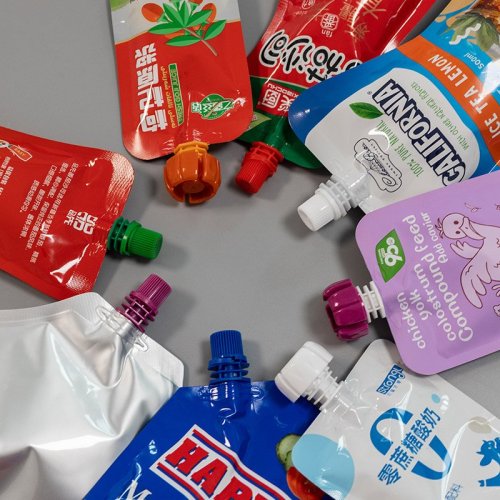
Many buyers contact us after they already choose a spout pouch design, product flavor, and launch target. The pressure is easy to understand. If the pouch cannot stand steadily, the filling nozzle may miss the mouth. If the cap and spout do not match, leakage appears after transport. If pasteurization and cooling are added late, the factory layout may become crowded and difficult to clean. A spout pouch project can look simple on a sample table, but it becomes a full production decision when the buyer wants stable daily output.
The best way to plan a spout pouch filling and capping line is to start from real pouch samples, filling volume, product behavior, cap and spout structure, sealing or torque requirement, capacity target, factory layout, pasteurization and cooling needs, and future product expansion. We should confirm the product-machine matching logic before confirming the machine scope.
At Guangdong Xinchuang Machinery Industry Co., Ltd., we look at spout pouch projects from the factory floor, not only from a catalog page. A filling and capping machine is one part of a system that may include product preparation, temporary storage, pouch feeding, filling, cap sorting, capping, leakage control, pasteurization, cooling, drying, coding, packing, and future line expansion. The same buyer decision logic also appears in cup filling and sealing machines, ice lolly tube filling and sealing machines, blister packing machines, pasteurizers, cooling lines, and full line solutions.
Several technical topics should be checked early. Pasteurization1 affects food safety planning and line layout. Torque2 matters when a cap must close tightly without damaging the spout. Food contact packaging materials3 must match the product, process temperature, and target market.
What pouch details should buyers confirm before choosing the machine?
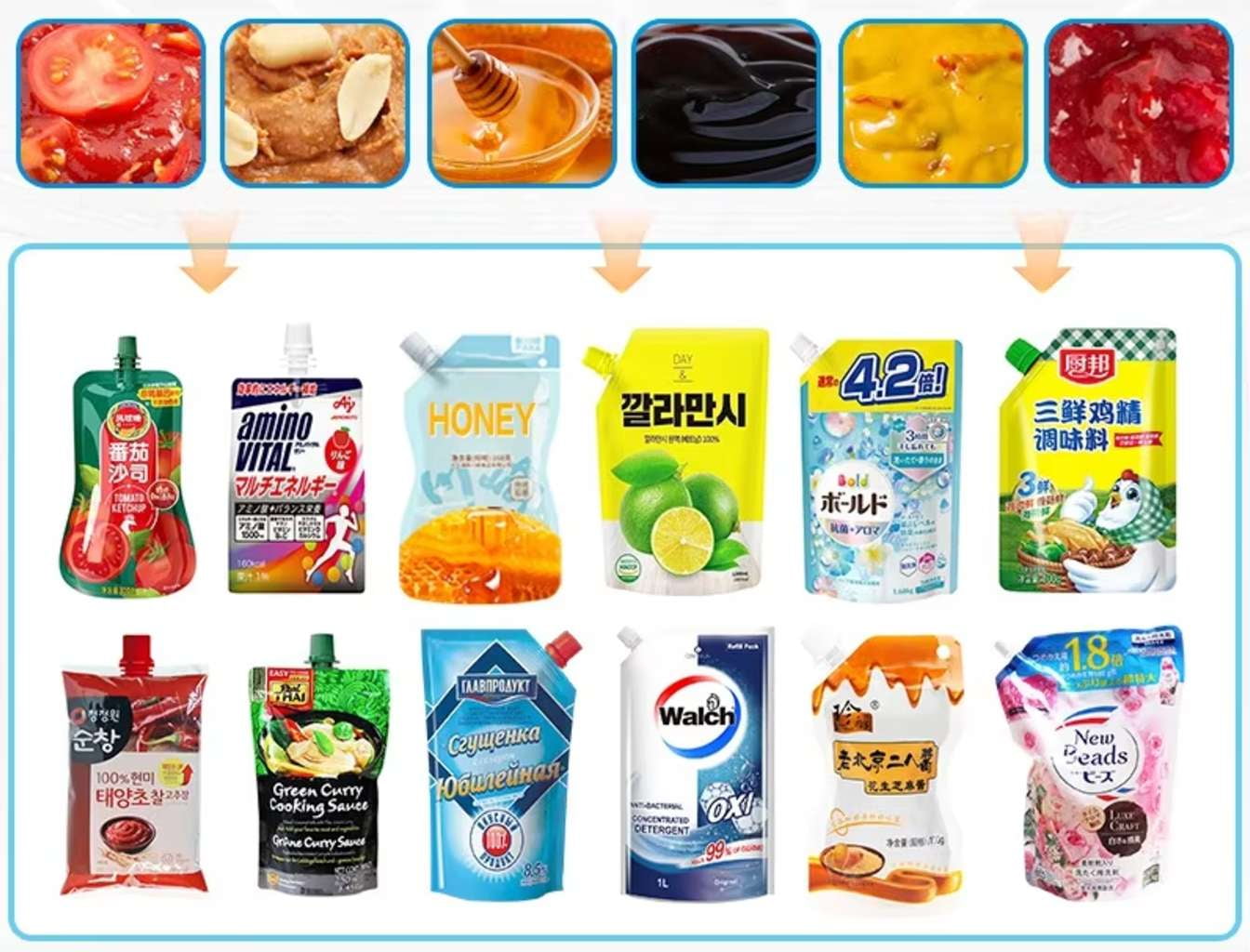
A spout pouch filling and capping machine cannot be selected accurately from product name alone. Juice, jelly drink, puree, sauce, dairy drink, energy gel, and detergent-style non-food products may all use spout pouches, but their pouch stiffness, mouth position, cap type, filling volume, and product flow behavior can be very different. Even two pouches with similar outer size can behave differently in automatic feeding and positioning.
Before we choose the machine, buyers should confirm pouch width, height, bottom shape, spout position, spout diameter, cap type, cap thread, pouch material, real tolerance, filling volume, and whether the pouch will be filled cold, warm, or hot.
Sample checking is essential. A drawing can show the target size, but a physical pouch shows whether it stands well, whether the spout is aligned, whether the cap starts smoothly, and whether the pouch body collapses during filling. If the pouch is too soft, the holding system may need more support. If the spout is angled or inconsistent, the filling nozzle and capping head need closer checking. If the cap thread is weak, increasing capping force is not a good solution because it may damage the spout.
We also check filling volume together with pouch size. The pouch must have enough space for the product and enough headspace for handling, capping, pasteurization, cooling, and transport. Overfilling can contaminate the cap area, reduce closure quality, and increase leakage risk. Underfilling can make the finished pouch look poor, especially for transparent or semi-transparent packaging.
Not suitable when: one machine is expected to run many unrelated pouch sizes, spout positions, cap types, and product viscosities without format parts or process changes. Some flexibility can be designed, but pouch holders, filling nozzles, cap chucks, rails, star wheels, and guides are normally built around a defined product family.
Pouch sample checklist
| Item to Confirm | Why It Matters | Factory Check |
|---|---|---|
| Pouch width and height | Affects holder, rail, and discharge design | Measure real samples, not only drawings |
| Spout position | Affects nozzle entry and cap alignment | Check repeatability across samples |
| Cap thread and cap type | Affects capping torque and leakage control | Test cap start, tightening, and removal |
| Pouch material stiffness | Affects feeding and positioning stability | Check standing, bending, and gripping behavior |
| Target filling volume | Affects pump, nozzle, headspace, and appearance | Validate with product or close substitute |
How do product viscosity and filling volume affect the line design?
Product behavior often decides the filling system. A water-like beverage, a syrup drink, a fruit puree, a sauce, and a product with small particles do not flow the same way. The machine should match the real product path, not only the pouch. If the product drips, foams, separates, or changes viscosity with temperature, the filling station must be planned around those realities.
Filling volume and product viscosity decide the filling pump, nozzle size, anti-drip design, product contact path, tank arrangement, cleaning access, and sometimes upstream temperature control. We should test the actual product or a realistic sample before final design.
For a thin beverage, a simpler liquid filling path may be enough. For puree or sauce, the product may need a larger passage, stronger anti-drip control, and easier cleaning access. For products with pulp or small particles, we need to check whether the particles can pass through the valve and nozzle without blockage or damage. If the product is hot-filled or pasteurized later, heat exposure and pouch material behavior must be discussed early.
Filling accuracy is both a quality issue and a cost issue. A small overfill may look harmless during a short test, but it becomes material loss during long production. A small underfill may trigger customer complaints. The most practical target is stable repeatability under real operating conditions: start, stop, restart, product change, cap supply variation, and operator handling.
Should buyers order a single filling machine or a full spout pouch line?
A single spout pouch filling and capping machine is suitable when the factory already has stable upstream and downstream processes. For example, an existing beverage or sauce factory may already have mixing tanks, product transfer, water treatment, pasteurization, cooling, coding, and packing equipment. In that case, the new machine mainly needs to match the pouch, cap, filling volume, and available connection points.
A single machine is suitable for an existing factory with prepared product and downstream handling. A full line solution is better when the buyer needs mixing, heating, pasteurization, cooling, drying, coding, conveyors, packing flow, utility planning, and future capacity expansion designed together.
Many spout pouch problems happen outside the filling and capping station. If the product preparation tank is too far away, transfer can become unstable. If pasteurization is added without enough space for loading and unloading, operators struggle. If the cooling line is too short for the process target, the finished pouch may remain too warm for packing. If drainage and cleaning access are ignored, daily operation becomes slow.
This is why we discuss factory layout before the final quotation. We need to know material flow, operator access, cap and pouch storage, rejected pouch handling, finished product movement, electrical cabinet position, compressed air supply, water supply, drainage, and maintenance clearance. A compact line is useful only when it still allows cleaning, inspection, and after-sales service.
| Project Situation | Better Choice | Buyer Decision Logic |
|---|---|---|
| Existing factory with stable preparation | Single filling and capping machine | Lower scope and easier integration |
| New beverage or puree project | Full line solution | Process, utilities, and layout must match |
| Product needs heat treatment | Line with pasteurizer and cooling option | Thermal process and packaging must be planned together |
| Multiple pouch sizes planned | Format planning before order | Changeover parts and limits should be clear |
| Limited workshop space | Layout review first | Operator access and service access cannot be ignored |
How should buyers plan capacity and future expansion?
Capacity should be planned by the whole line. Buyers often ask for the highest machine speed first, but real output depends on pouch feeding, filling stability, cap sorting, cap tightening, leakage checking, pasteurization, cooling, drying, coding, packing, and operator rhythm. A short demonstration speed is not the same as stable shift output.
Buyers should plan capacity from the slowest required process step, not only from the filling station. If pasteurization, cooling, manual packing, or product preparation is slower than filling, the line output will follow that bottleneck.
Future expansion should be discussed before the first machine is confirmed. If the buyer may add a larger pouch, a smaller pouch, a different cap, a thicker puree, or more flavors later, we should define what can be changed with format parts and what would require a different machine structure. This prevents unrealistic expectations after delivery.
After-sales support also belongs in the capacity plan. A spout pouch line has wear parts, cap handling parts, product contact parts, sensors, heaters if used, pumps, valves, and control settings. For export buyers, support should include spare parts lists, remote troubleshooting, commissioning guidance, operator training, and clear maintenance routines. A machine that is easy to service is more valuable than a machine that only looks fast on paper.
What information should buyers prepare before requesting a final quotation?
Before final quotation, buyers should prepare pouch samples, caps, product type, filling volume, viscosity or particle condition, process temperature, expected capacity, voltage, air supply, water and drainage conditions, factory layout, packing method, and future product plan. If pasteurization or cooling is needed, we should also discuss product shelf-life target, pouch material, local food safety expectations, and available workshop space.
Internal reference articles can help buyers compare project logic. For cup projects, see our guide on choosing a jelly cup filling and sealing machine without expensive mold changes. For spout pouch leakage control, see how to stop spout pouches from leaking. For ice pop line planning, see how to choose an ice lolly tube filling and sealing machine.
In our factory view, the right spout pouch filling and capping line is not the machine with the largest number on a specification sheet. It is the line that matches the pouch, cap, product, filling volume, process, factory layout, buyer decision logic, and future expansion plan. When we begin with real samples and line logic, the final solution is easier to install, easier to operate, and easier to support.
Conclusion
To plan a spout pouch filling and capping line before ordering, start with pouch and cap samples, then confirm product viscosity, filling volume, sealing or capping requirement, pasteurization and cooling needs, capacity target, layout, and future expansion. This approach helps buyers choose between a single machine and a full line solution while reducing leakage risk, layout mistakes, and costly changes after delivery.
- Pasteurization is a heat treatment process used to reduce harmful microorganisms in food and beverage products; it can affect line layout and product handling. Return
- Torque is relevant to capping because the cap must be tightened enough to seal without damaging the cap thread or spout structure. Return
- Food contact packaging materials should be selected according to product contact, process temperature, storage conditions, and local market requirements. Return