Many buyers start a coffee capsule project with a capsule shell, roasted coffee powder, and a target retail pack. The project looks compact, but the technical risk is sharp. If powder dosing is unstable, each capsule may carry a different gram weight. If the capsule is not positioned well, powder spills onto the sealing rim. If the sealing film does not match the capsule material, capsules may leak aroma, lose freshness, or fail during handling. A coffee capsule filling and sealing machine is small in footprint, but it is unforgiving in details.
The direct answer is: buyers should choose a coffee capsule filling and sealing machine by checking capsule sample fit, auger powder filling accuracy, consistent gram weight, rim cleaning, sealing film compatibility, capacity planning, factory layout, future expansion, and after-sales support before comparing machine price.
At Guangdong Xinchuang Machinery Industry Co., Ltd., we review coffee capsule projects from the factory side. We do not treat the machine as only a filler and sealer. We look at coffee powder flow, capsule feeding, filling volume, gram weight control, sealing material, nitrogen or freshness requirement if the buyer plans it, production capacity, operator access, factory layout, and future format changes. The same buyer decision logic also helps with cup filling and sealing machines, spout pouch filling and capping machines, ice lolly tube filling and sealing machines, blister packing machines, pasteurizers, cooling lines, and full line solutions.
Several professional terms should be clear early. Auger feeding1 is commonly used for controlled powder dosing. Heat sealing2 affects whether the lid bonds evenly to the capsule rim. Food contact packaging materials3 should be suitable for the capsule, sealing film, product contact, and target market.
Why must coffee powder filling use an auger dosing system?
Coffee powder is not a simple liquid and it is not a free-flowing solid like a large grain. It can bridge, compact, cling to surfaces, and change flow behavior with grind size, roast condition, oil content, humidity, and storage time. If a buyer uses the wrong filling method, capsules may be underfilled, overfilled, or inconsistent from one cavity to the next. That inconsistency quickly becomes a product quality problem because capsule buyers usually expect a stable gram weight and repeatable brewing result.
For coffee capsule production, powder filling should use an auger filling system, because the screw can meter coffee powder in controlled portions and help every capsule reach the same target gram weight.
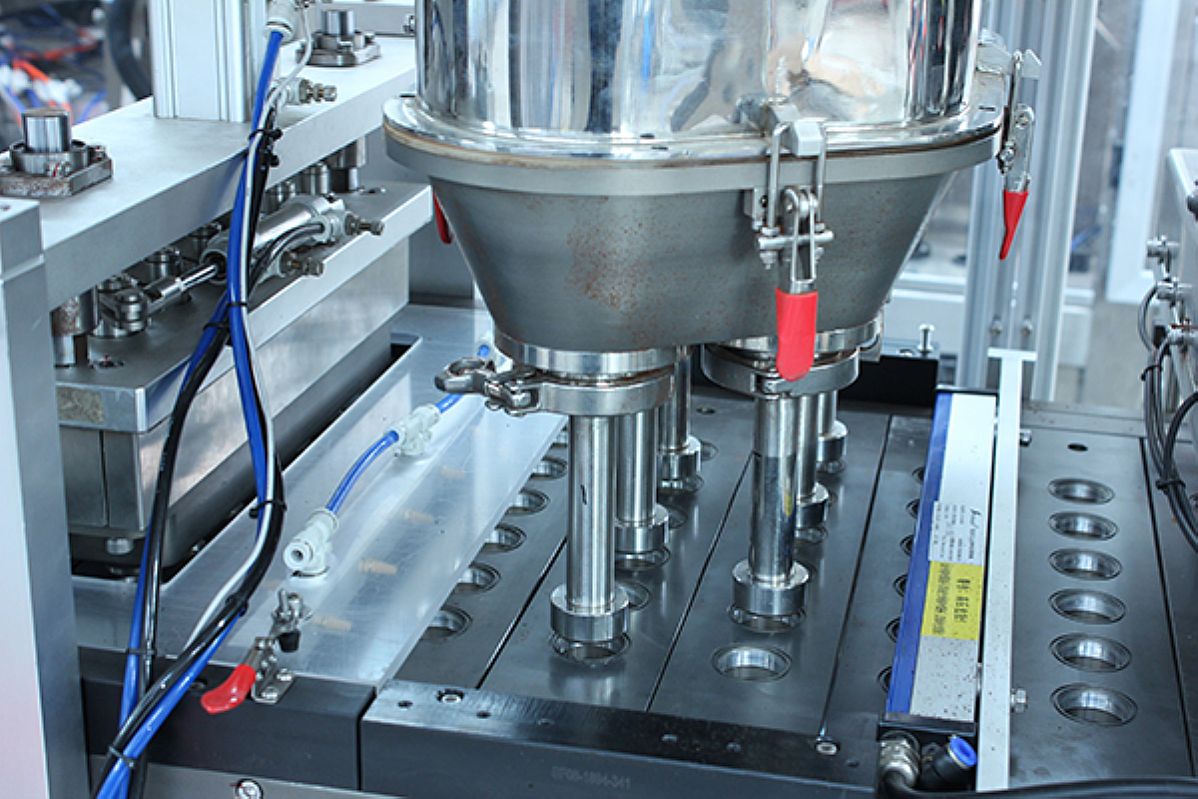
Your insight is exactly the center of this topic: powder filling must use screw-type filling so the machine can dose enough powder, dose quantitatively, and keep each coffee capsule at the same gram weight. In our factory discussion, we ask for the target gram weight, acceptable tolerance range from the buyer’s own quality plan, coffee grind size, powder density direction, and whether the buyer will use one coffee type or several formulas. We avoid promising a universal number before testing the buyer’s powder, because coffee powder behavior changes by product.
Auger filling also helps with repeatability during longer production. A short demo may look good with one powder sample, but real production includes hopper level changes, powder settling, operator refilling, and machine vibration. The machine should be designed so the dosing system, hopper, stirring if required, filling mouth, and capsule positioning work together.
What capsule samples should buyers prepare before ordering?
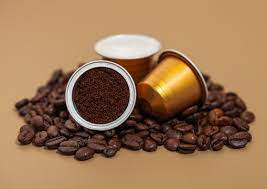
A coffee capsule filling and sealing machine must be designed around the real capsule. Capsules may be plastic, aluminum, compostable material, or another structure. The rim shape, wall strength, height, diameter, nesting behavior, and sealing surface all affect the machine. A drawing is useful, but the actual capsule sample tells us whether automatic feeding, positioning, filling, rim cleaning, sealing, and discharge will be stable.
Buyers should send real capsule shells, sealing film or lids, coffee powder, target gram weight, and finished package requirements before final machine confirmation.
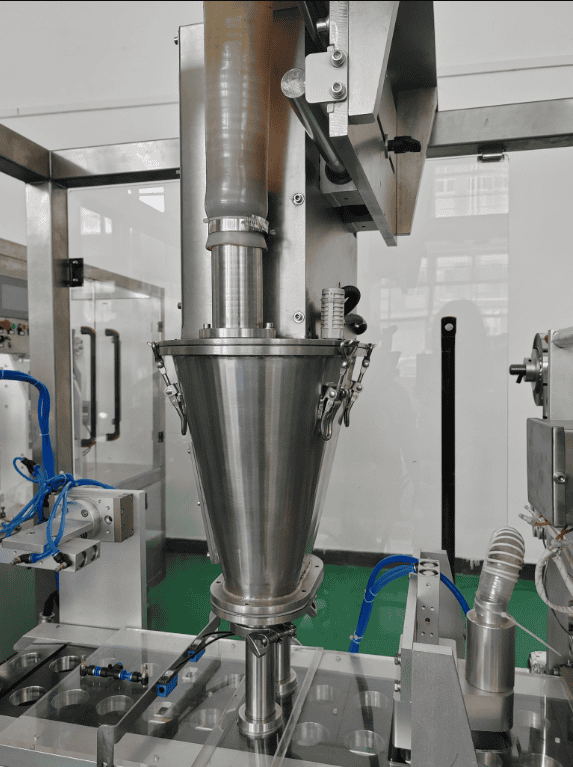
Capsule feeding is the first mechanical check. If capsules stick together, tilt, or deform, the machine may stop before filling begins. Capsule position is also critical. The filling nozzle must enter or align above the capsule cleanly. If the capsule is off-center, powder can spill onto the rim. Once powder lands on the sealing surface, sealing becomes unreliable even if the heater and pressure are correct.
Coffee capsule sample checklist
| Sample Item | Why It Matters | Factory Check |
|---|---|---|
| Empty capsule shell | Controls feeding, holder design, rim support, and discharge | Test real capsule feeding and positioning |
| Coffee powder | Changes auger dosing, flow, dust, and gram weight stability | Run dosing tests with real powder |
| Target gram weight | Defines auger size, dosing time, and quality check method | Set the filling system around buyer target |
| Sealing film or lid | Affects heat sealing, peel, and leak resistance | Test film and capsule rim together |
| Future capsule formats | May require new holders, feeders, or sealing tools | Plan changeover before purchase |
How does sealing material affect coffee capsule quality?
Coffee capsules are sensitive to sealing because the package must protect aroma and powder condition. A weak seal may leak. An over-aggressive seal may deform the capsule or create a poor appearance. A mismatched film may look acceptable immediately after sealing but fail after handling, packing, or storage. This is why we test capsule material and sealing film together instead of judging them separately.
For coffee capsules, sealing quality depends on the capsule rim, lid material, heat, pressure, dwell time, rim cleanliness, and support under the capsule during sealing.
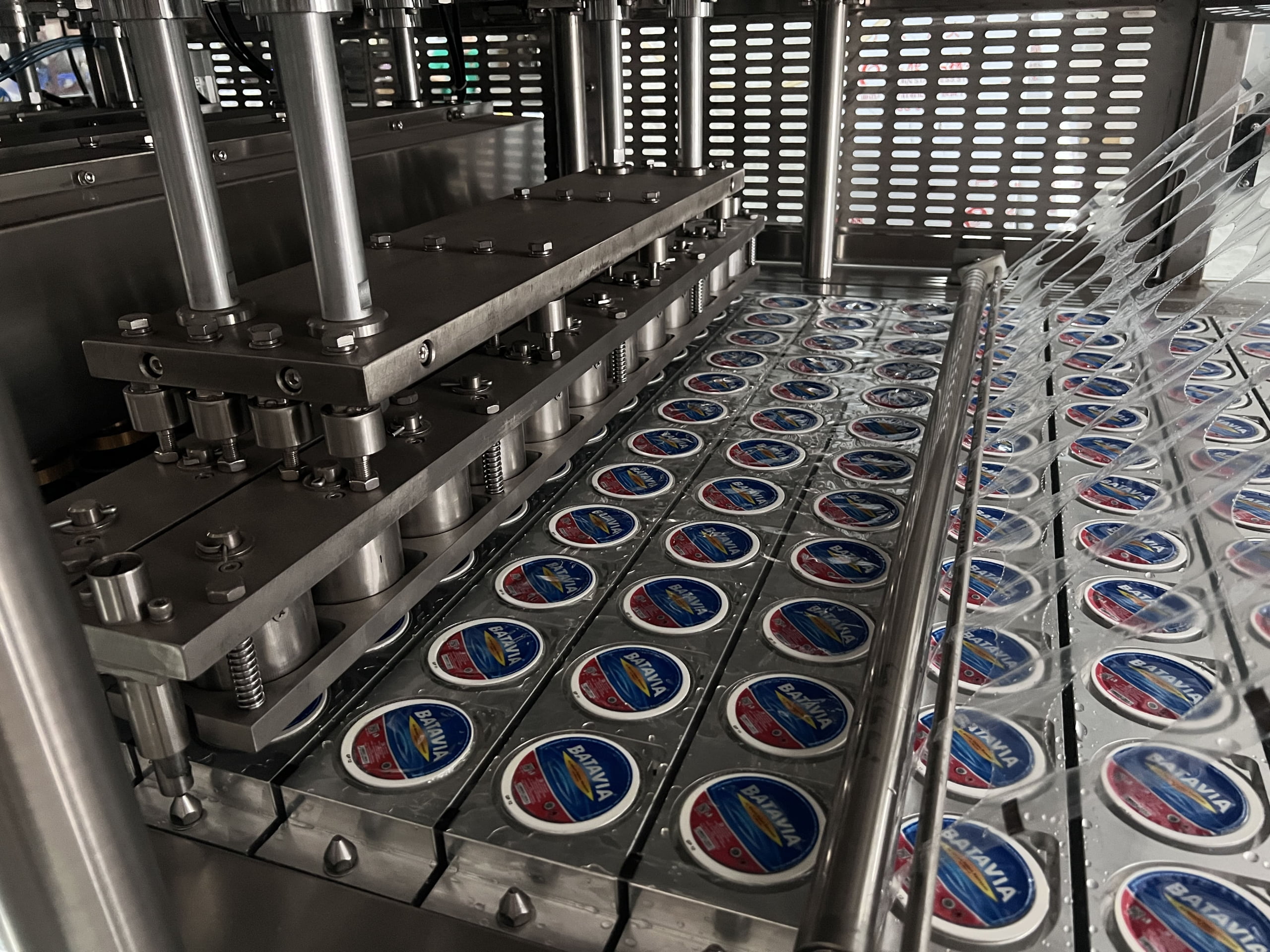
Rim cleaning is especially important after powder dosing. Coffee powder dust can land on the rim and stop a full bond. Depending on the capsule design and powder behavior, the machine may need a rim cleaning or dust control step. This is one reason the buyer should not select the sealing station without checking the filling station. Filling and sealing are connected, not separate islands.
Buyers should also confirm whether they need roll film, pre-cut lids, printed film, or another lid format. Roll film may need mark tracking. Pre-cut lids may need accurate lid placing. Printed materials may need stable position control. The machine choice changes with the packaging material.
Should buyers choose a single coffee capsule machine or a full line?
A single coffee capsule filling and sealing machine may be enough when the buyer already has grinding, powder storage, capsule supply, packaging materials, quality control, operators, and packing equipment. In that case, the machine project can focus on capsule loading, auger powder filling, sealing, cutting if needed, discharge, and basic integration with the workshop.
A full line solution is better when the buyer also needs powder feeding, capsule arranging, filling and sealing, weight checking logic, coding, secondary packing, conveyor layout, operator workflow, and future expansion planning.
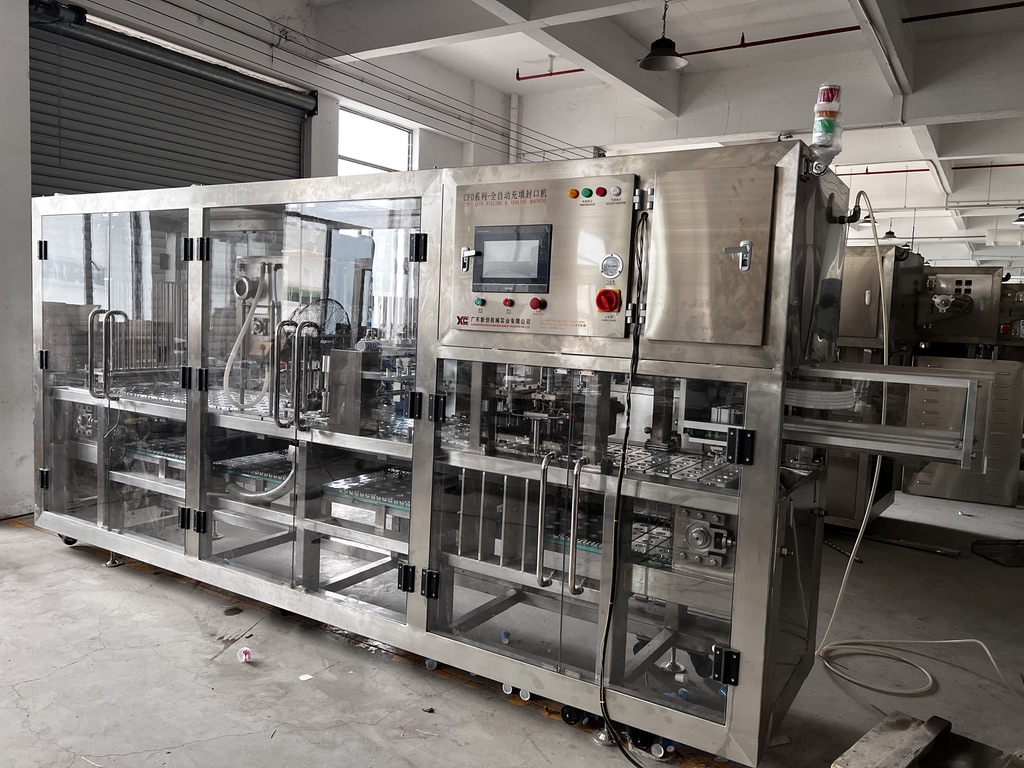
Capacity planning should be practical. Buyers often ask first about speed, but a coffee capsule project can be limited by powder preparation, capsule feeding stability, sealing film change, operator inspection, secondary packing, or factory space. If the downstream packing is slow, a faster filler only creates waiting product. If capsule format changes are expected, mold and tooling changeover may matter more than maximum speed.
For related planning, buyers can also read our guide on choosing a cup filling and sealing machine without costly mistakes, our article on choosing a blister packing machine for food products, and our guide to planning a full spout pouch filling and capping line.
What is not suitable for a coffee capsule filling and sealing machine?
Not suitable when: the buyer has not confirmed capsule shell material, sealing film, target gram weight, coffee powder grind size, or quality standard, but wants the machine supplier to guarantee stable capsule weight and sealing result without sample testing. In that case, the machine may be technically well built, but the project information is not ready for reliable production.
It is also risky when the buyer wants one low-cost machine to handle many capsule types, many powders, many lid materials, and many capacities without change parts. Some flexibility is possible, but different capsule formats usually need different holders, feeding parts, sealing tools, and settings. A realistic plan should separate the first production format from future expansion.
| Decision Point | Buyer Risk If Ignored | Recommended Action |
|---|---|---|
| Auger filling system | Uneven gram weight between capsules | Test screw dosing with real coffee powder |
| Capsule positioning | Powder spill and rim contamination | Confirm capsule feeding and holder design |
| Sealing material | Leakage, deformation, or poor appearance | Test film and capsule rim together |
| Capacity target | Machine faster than packing or inspection | Plan full workflow, not only filler speed |
| Future formats | Unexpected mold and tooling cost later | Discuss change parts before ordering |
How should buyers compare coffee capsule filling machine price in China?
Price comparison should come after sample checking. A basic machine price may include capsule feeding, auger filling, sealing, cutting, and discharge. A more complete project may also include powder feeding, dust control, coding, conveyors, weight checking workflow, secondary packing, spare parts, commissioning support, and operator training. These are different scopes.
We avoid giving an exact universal price without samples because coffee capsule projects depend on capsule shell, target gram weight, coffee powder behavior, sealing film, number of lanes, automation level, electrical standard, layout, and after-sales plan. A useful quotation should be built from the real capsule and coffee powder, not from a vague request for a coffee capsule machine.
After-sales support should include spare parts lists, auger and filling component guidance, sealing temperature adjustment, sensor troubleshooting, cleaning access, operator training, and remote support. A coffee capsule filling and sealing machine has many small parts doing precise work. The better the sample confirmation before ordering, the easier the installation and later support.
Conclusion
Choosing a coffee capsule filling and sealing machine means choosing a precise powder dosing and sealing system. From our factory view, the most important point is clear: coffee powder filling must use an auger filling system so every capsule can receive enough powder, receive a controlled dose, and stay close to the same gram weight. After that, buyers should confirm capsule samples, sealing material, rim cleanliness, capacity, layout, future expansion, and after-sales support. That is the practical path to a coffee capsule machine that works in daily production, not only in a short demonstration.
- Auger feeding is commonly used to meter powder or granular materials; actual dosing behavior should be tested with the buyer’s real coffee powder. Return
- Heat sealing depends on material compatibility, temperature, pressure, and dwell time; capsule rim cleanliness is part of the sealing result. Return
- Food contact packaging materials should be selected according to product contact, temperature exposure, storage condition, and target market requirements. Return