
Many buyers ask two direct questions before starting an ice pop project: how much factory space do I need, and how many workers are required? These are useful questions, but they cannot be answered correctly before confirming the hourly output. An ice pop production line should be planned from capacity first, not from machine price or workshop size alone.
The direct answer is: the required space and labor depend first on how many ice pops the factory wants to produce per hour. For Xinchuang ice pop / ice lolly tube filling and sealing projects, the filling and sealing machine is the key capacity point of the whole line, with a maximum reference output of about 10,000 sticks per hour depending on configuration and product conditions. For a 10,000 sticks/hour project, buyers may need around 500 square meters of factory space and around 10 workers, but the final layout and labor plan should be confirmed with the manufacturer.
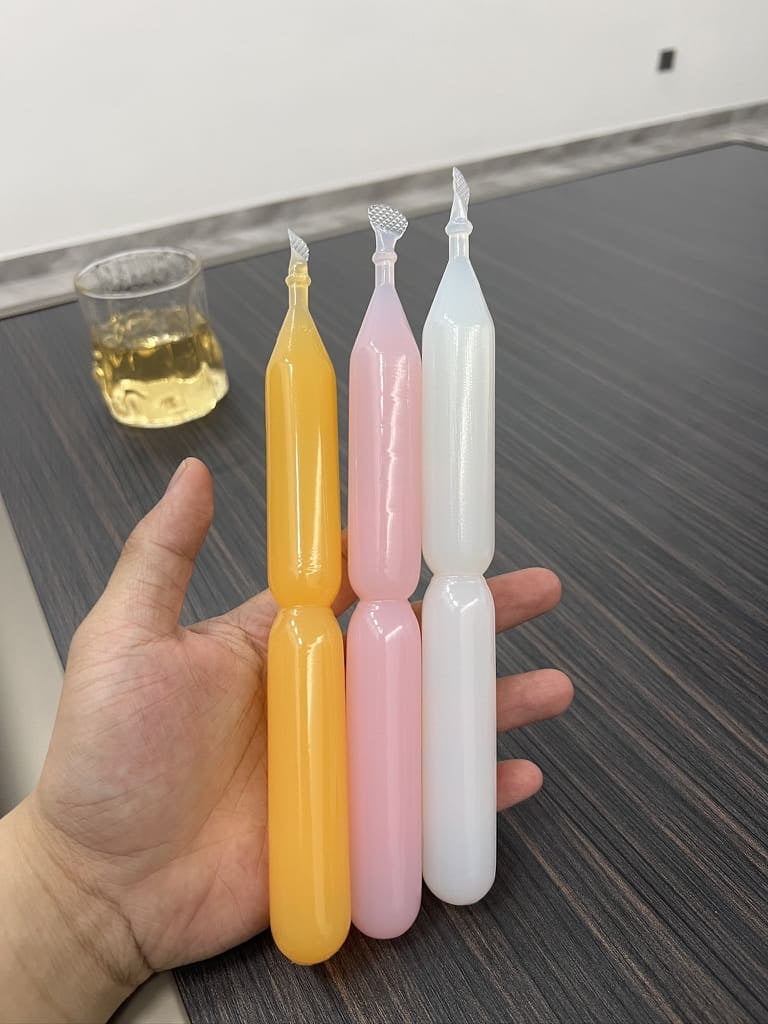
At Guangdong Xinchuang Machinery Industry Co., Ltd., we usually do not start an ice pop production line discussion by asking only the workshop size. We first ask the buyer how many pieces per hour they want to make. After that, we match the ice pop filling and sealing machine. Then we calculate the required bottle blowing or tube supply capacity, and finally confirm the pasteurizer, cooling line, conveyor arrangement, packing area, utilities, and labor.
Some terms are useful for buyers during this planning. Ice pop1 describes the final frozen product category. Blow molding2 may be involved when the factory needs plastic tube production. Pasteurization3, heat sealing4, and production line5 planning all affect factory space and labor.
Quick Answer: What decides the size of an ice pop line?
The first decision is target output per hour. If the buyer wants a small startup line, the equipment combination, workshop area, and labor arrangement will be different from a high-output project. If the buyer wants around 10,000 sticks per hour, the line should be planned as a complete production system, not only one filling machine.
The ice pop filling and sealing machine is the decisive capacity point. After confirming the filling and sealing machine output, the factory can calculate how many blowing machines or tube supply units are needed, then choose the matching pasteurizer and cooling line size.
This order matters because upstream and downstream equipment must follow the rhythm of filling and sealing. If tube supply is too slow, the filling machine waits. If pasteurization or cooling capacity is too small, finished products accumulate. If packing labor is not enough, the line output may look high on paper but slow down in real operation.
Why should buyers confirm hourly output first?
Factory space and labor are not fixed numbers. They change according to production target, tube size, filling volume, product formula, sterilization requirement, cooling method, packing style, and automation level. A buyer who plans 3,000 sticks per hour may not need the same workshop arrangement as a buyer planning 10,000 sticks per hour.
Before asking for the total line price, buyers should confirm the target output per hour, target shifts per day, filling volume per tube, tube material, product formula, and whether the project will expand later.
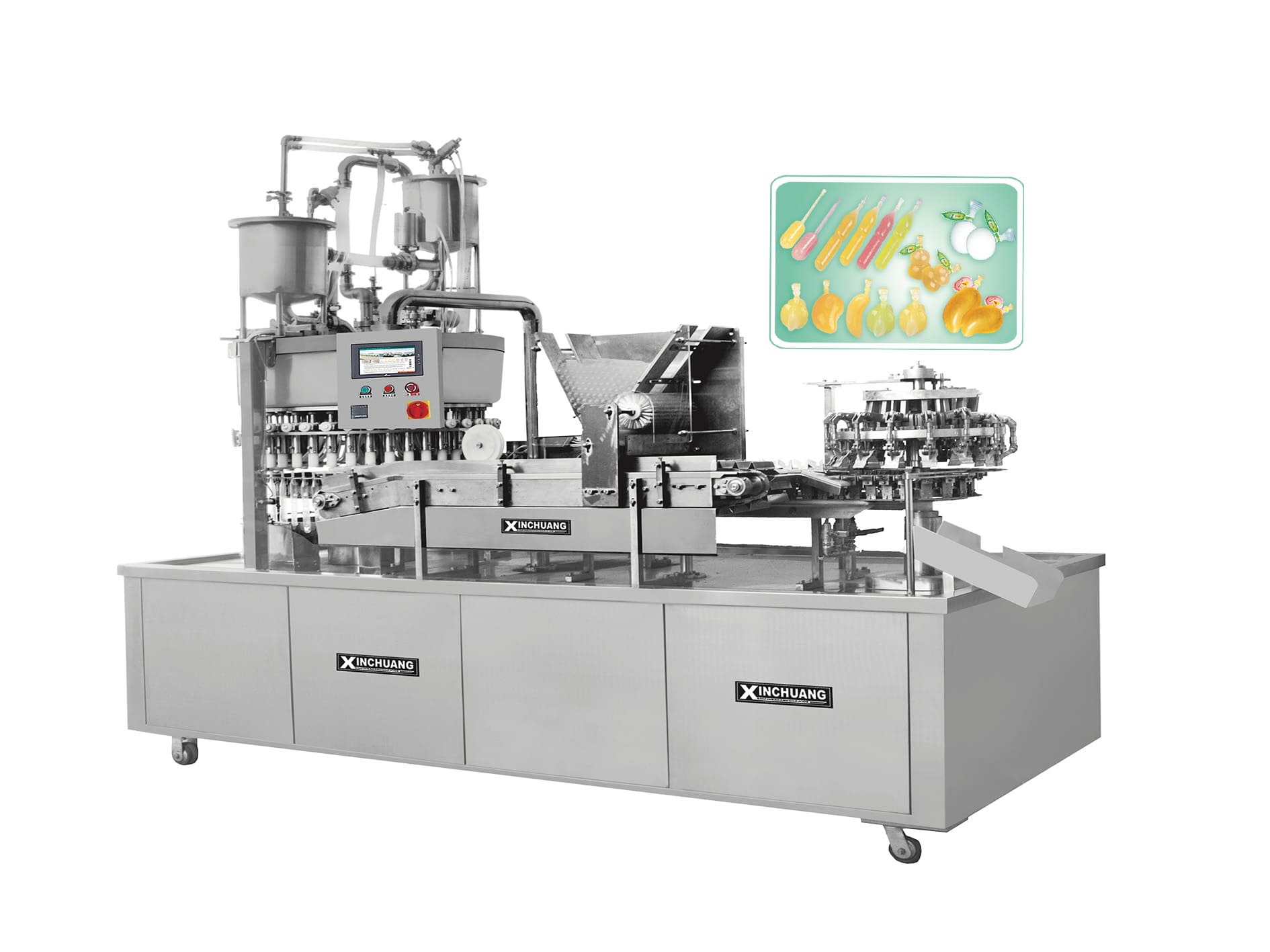
The filling and sealing machine determines the central rhythm because every finished tube must pass through filling, sealing, and discharge. Even if the upstream preparation is large, the real hourly output cannot exceed the practical working capacity of the filling and sealing section. This is why we prefer to set the filling and sealing capacity first.
Not suitable when: a buyer chooses a large pasteurizer or cooling line before confirming filling and sealing capacity. The line may become unbalanced, with expensive equipment waiting for a slower filling section.
Capacity planning order for ice pop projects
| Planning Step | What to Confirm | Why It Matters |
|---|---|---|
| 1. Target hourly output | Pieces per hour and shifts per day | Sets the production scale |
| 2. Filling and sealing machine | Machine capacity, tube size, filling volume | Becomes the main capacity point |
| 3. Blowing machine or tube supply | Tube quantity and material supply rhythm | Prevents tube shortage during production |
| 4. Pasteurizer and cooling line | Line size, holding time, cooling requirement | Matches product process and machine output |
| 5. Packing and labor | Manual or automatic packing, operators, inspection | Controls real daily output and labor cost |
How much space is needed for 10,000 sticks per hour?
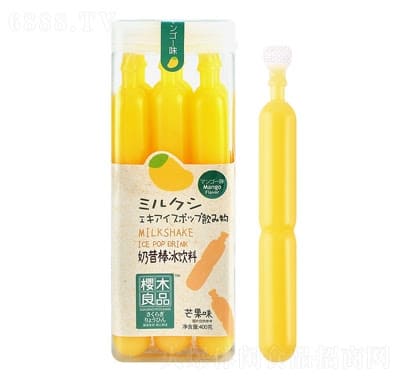
For a project around 10,000 sticks per hour, buyers should not think only about the footprint of the filling and sealing machine. The workshop also needs space for raw material preparation, tube supply or blowing, filling and sealing, pasteurization, cooling, conveying, inspection, packing, finished product staging, operator movement, maintenance access, water and drainage, air supply, and electrical cabinets.
As a practical reference, a 10,000 sticks/hour ice pop production line may need around 500 square meters of factory space. This is a planning reference, not a fixed rule. The final layout should be confirmed according to factory building shape, line direction, automation level, tube size, process requirement, and packing method.
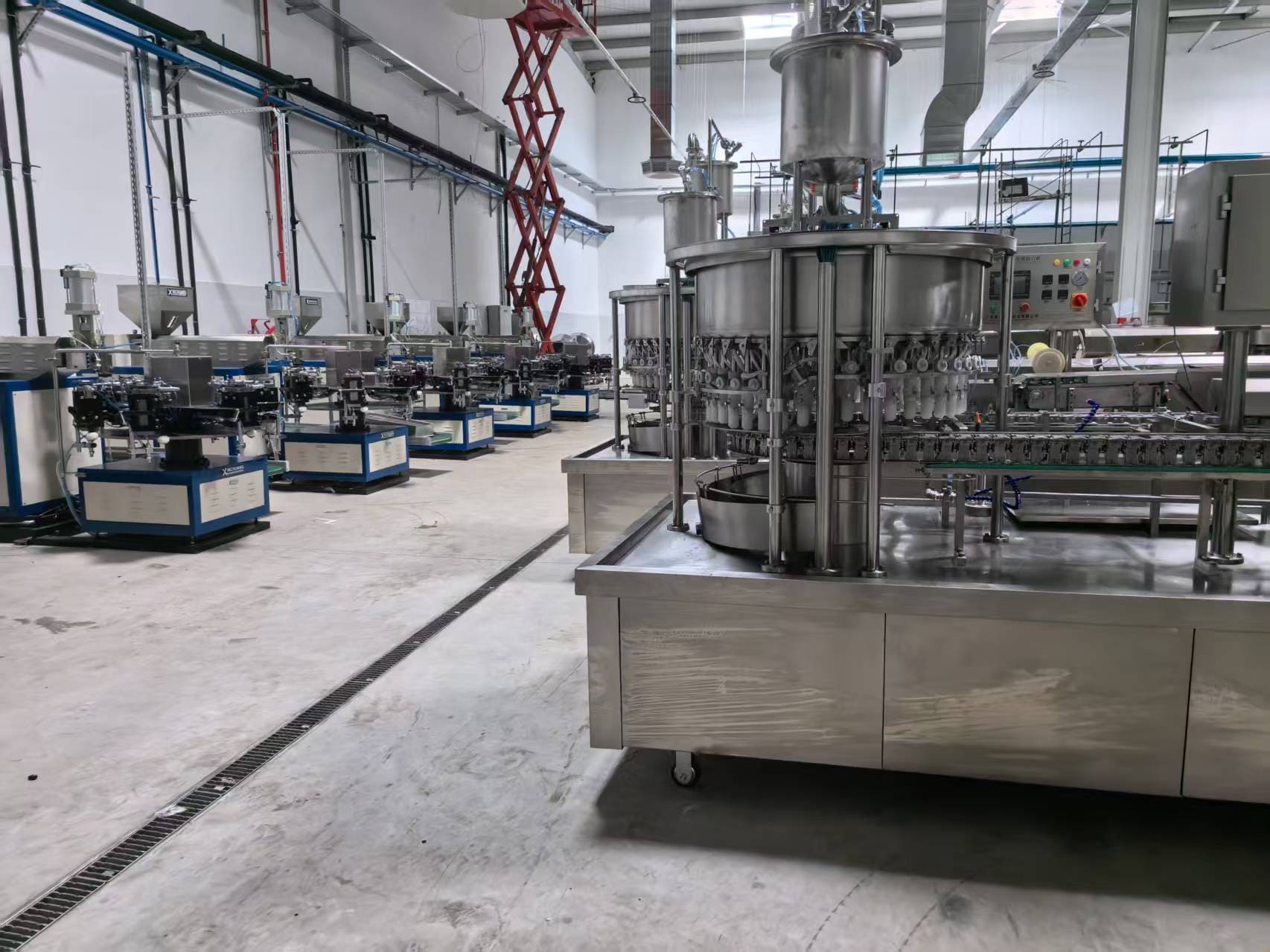
A long and narrow workshop may need a different layout from a square workshop. A factory with enough drainage and utility positions can be easier to design than a workshop where the equipment must be squeezed into a corner. The buyer should provide a workshop drawing early, including door size, column position, floor drain, power room, water source, air compressor location, and packing area.
Future expansion should also be discussed early. If the factory starts with one line but plans a second line later, the first layout should leave enough access for future conveyors, cooling capacity, packing space, and utility connection. Moving heavy equipment later can cost more than reserving space during the first design.
How many workers are needed?
Labor depends on automation level. A more manual line needs workers for tube handling, material preparation, machine watching, packing, inspection, cleaning, and moving products. A more automatic line can reduce manual handling, but it requires better planning and higher equipment configuration.
For a 10,000 sticks/hour project, around 10 workers can be used as a rough planning reference. However, the actual number is difficult to fix without confirming automation level, packing method, workshop layout, number of shifts, product type, and the buyer’s management style.
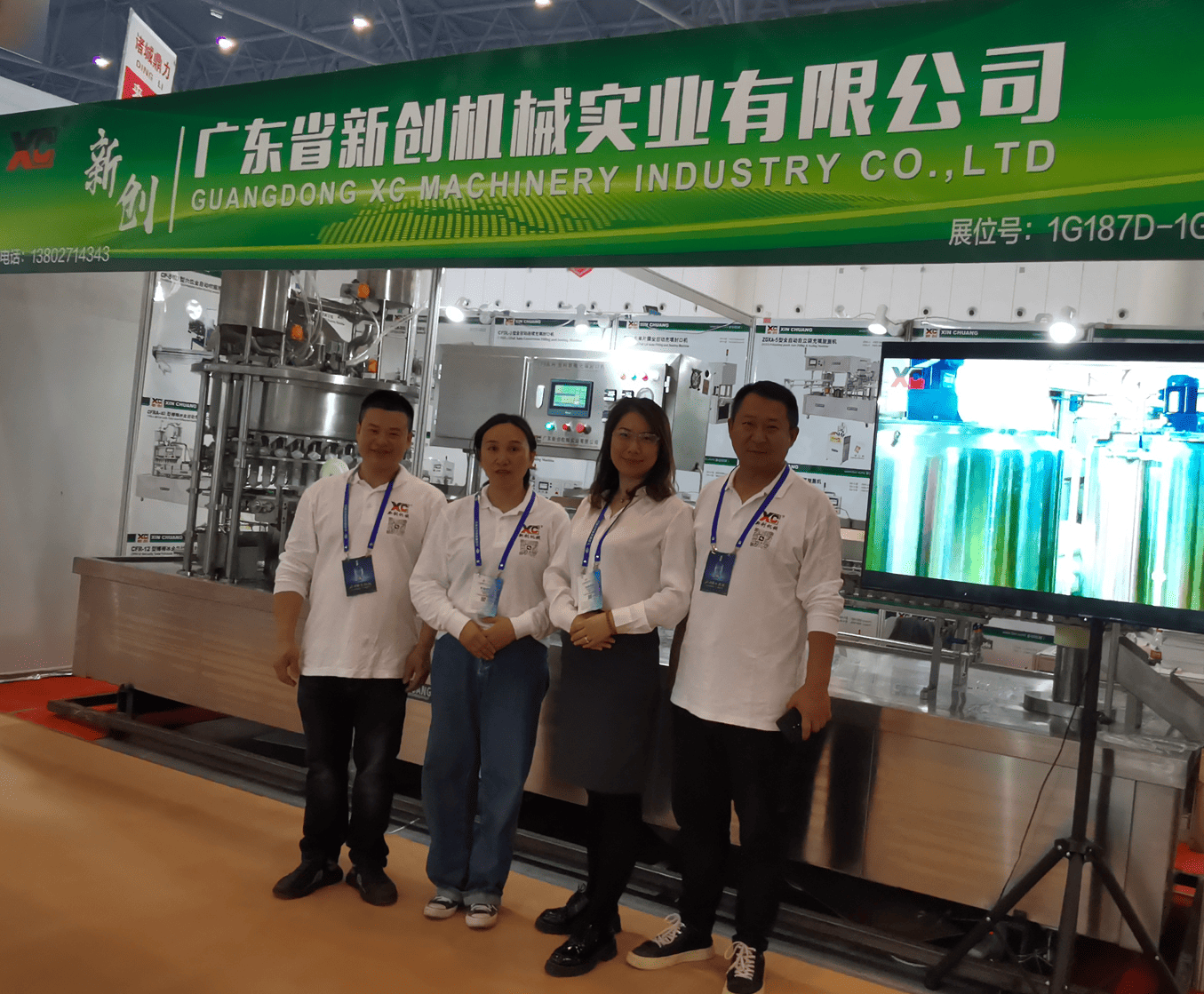
For larger output, the solution may change. Instead of simply adding people, the factory may need a more automated feeding, conveying, packing, or cooling arrangement. This is why high-capacity projects should be designed together with the manufacturer. A higher level of automation can reduce labor pressure and make production more stable, but it should match the buyer’s budget, workshop condition, and maintenance ability.
Buyers should also consider cleaning labor and shift changeover. Ice pop lines involve product contact surfaces, tanks, pipelines, filling heads, sealing parts, cooling sections, and surrounding floors. If the cleaning plan is underestimated, the factory may finish production but lose time before the next batch.
Buyer Checklist: What should be prepared before layout design?
Before requesting a layout and quotation, buyers should prepare target hourly output, tube size, filling volume, product formula, number of flavors, whether tube blowing is needed, sterilization requirement, cooling requirement, packing method, expected labor level, voltage, water supply, drainage, compressed air condition, workshop drawing, door size, and future expansion plan.
The more clearly the buyer confirms output and factory conditions, the more accurate the equipment configuration, floor space estimate, and labor plan will be.
| Item to Confirm | Factory-Side Reason | Buyer Note |
|---|---|---|
| Hourly output | Decides the filling and sealing machine capacity | Confirm pieces per hour, not only daily output |
| Tube size and filling volume | Affects filling time, machine spacing, and material consumption | Send real tube sample if available |
| Blowing machine requirement | Must match the filling line rhythm | Confirm whether tubes are made in-house or purchased |
| Pasteurizer and cooling line | Must match process and output | Do not size these before filling capacity is confirmed |
| Workshop drawing | Decides layout, access, utilities, and maintenance space | Include columns, doors, drains, and power area |
| Labor target | Affects automation configuration | Higher automation may reduce workers but needs better planning |
For related factory planning logic, buyers can also review our articles on jelly cup production line planning, ice lolly tube filling and sealing machine selection, and pasteurizer and cooling line decisions. Although the packages are different, the planning logic is similar: capacity first, then machine matching, utilities, layout, labor, and expansion.
Factory Insight: Why is the final answer not one fixed number?
Buyers often want one simple answer: one line needs one price, one area, and one labor number. In real factory design, this is risky. The same nominal output can require different layouts if the tube size changes, if the product needs different pasteurization, if cooling time changes, if packing is manual, or if the buyer plans future expansion.
For ice pop production, the filling and sealing machine should be treated as the center of the line. Once its hourly capacity is confirmed, the blowing machine quantity, pasteurizer size, cooling line size, conveyor layout, packing area, and labor plan can be designed around it.
For higher capacity projects, the method may not be simply “use the same line and add more people.” The manufacturer may design a more automatic solution to reduce labor and improve stability. That is why buyers should share their expected output and workshop condition early, then let the engineering team design a balanced line.
Conclusion
To plan the space and labor for an ice pop production line, start with hourly output. For Xinchuang ice pop / ice lolly tube filling and sealing machines, the filling and sealing section is the decisive capacity point, with a maximum reference output of about 10,000 sticks per hour depending on configuration and product conditions. After confirming that capacity, buyers can calculate the required blowing machine quantity, pasteurizer size, cooling line size, layout, packing area, and labor.
For a 10,000 sticks/hour project, around 500 square meters and around 10 workers can be used as a practical reference, but final planning should be confirmed with the manufacturer. Larger output, higher automation, different product formulas, and different factory layouts may require a different design. A balanced line saves more trouble than a line built only around a single machine price.
- Ice pop refers to a frozen product category; in machinery planning, the tube size, formula, and final freezing process affect the production line design. Return
- Blow molding is one method for producing plastic containers or tubes; in some ice pop projects, tube supply must be matched to filling speed. Return
- Pasteurization is a heat process used to reduce microbial risk; line size depends on product and process requirements. Return
- Heat sealing closes the tube after filling; stable sealing helps reduce leakage, rework, and packing interruption. Return
- A production line should be balanced across upstream supply, filling, sealing, processing, cooling, inspection, and packing. Return