
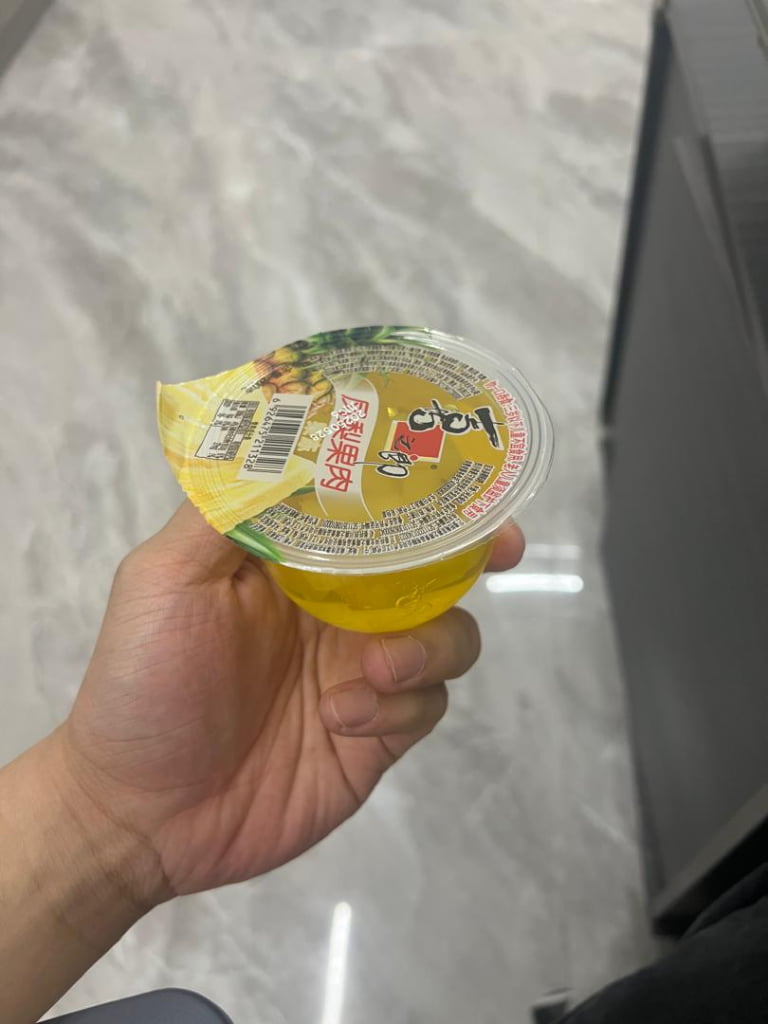
Many jelly cup buyers ask for output first. They want to know how many cups per hour the machine can produce, whether the same machine can make different cup sizes, and why one quotation shows higher capacity than another. These are practical questions, but the answer cannot be separated from cup diameter, filling volume, cavity count, filling time, sealing rhythm, and downstream line matching.
The direct answer is: jelly cup filling and sealing machine output is mainly decided by cup mouth diameter and jelly cup filling volume. Smaller cup diameters can usually use more cavities per cycle and reach higher output. Larger cup diameters reduce the number of cavities that can fit on the template, so hourly output becomes lower. For example, a regular 38 mm cup may be designed up to 48 cavities and approach about 60,000 cups per hour depending on configuration, while a 60 mm cup may be limited to around 20 cavities and about 25,000 cups per hour depending on the final design.
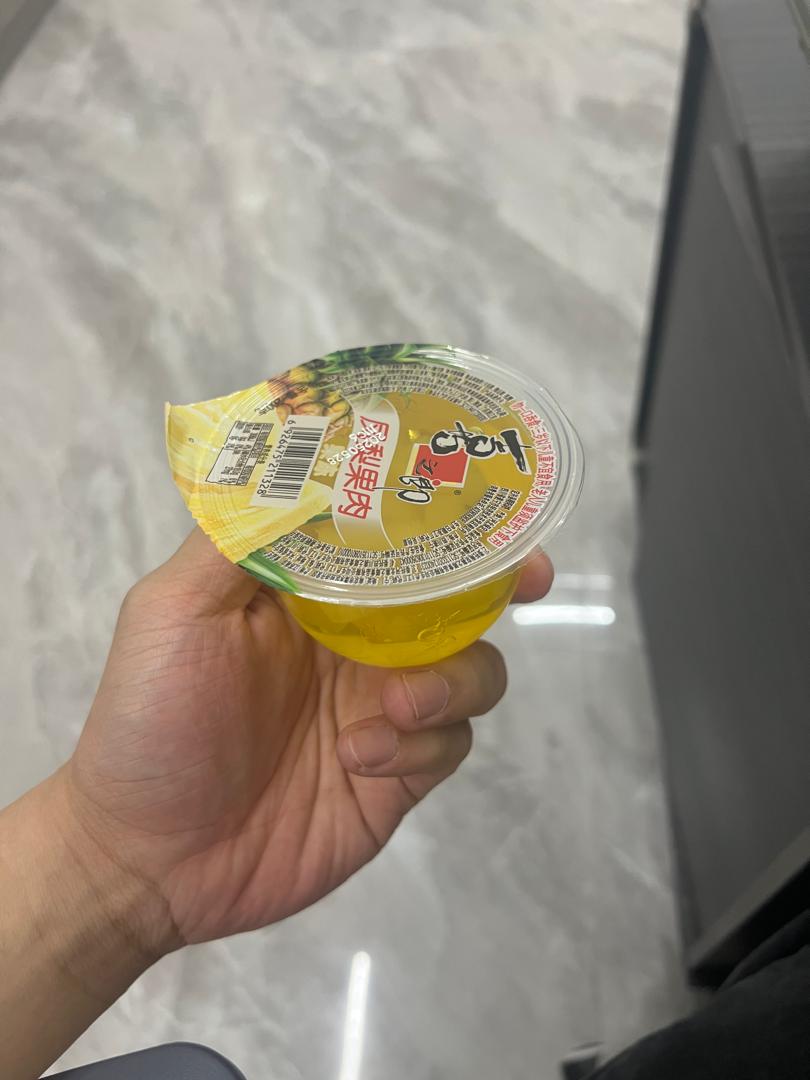
At Guangdong Xinchuang Machinery Industry Co., Ltd., we do not treat output as one fixed number for every jelly project. A jelly cup machine is customized around the buyer’s cup. Cup mouth diameter decides how many cavities can be arranged on one template. Filling volume decides how long the filling station needs. Sealing and cutting also need enough time to make stable finished cups. The real output is the result of the whole machine rhythm, not only the speed of one motor.
Useful technical terms for this topic include production line1, heat sealing2, viscosity3, polypropylene4, and pasteurization5. These concepts affect output, packaging stability, and full-line planning.
Quick Answer: Why is jelly cup output not one fixed number?
Jelly cup output is not fixed because every project uses different cups and filling volumes. The same machine structure may produce very different hourly output when cup diameter changes. A small cup can often be arranged with more cavities. A larger cup needs more space, so the cavity number becomes smaller.
The two first questions should be: what is the cup mouth diameter, and what is the filling volume? After these two points are clear, the manufacturer can calculate cavity number, filling time, sealing rhythm, and estimated hourly output.
Buyers often ask, “How many cups per hour?” before sending cup samples. This creates misunderstanding. Without cup diameter and filling volume, the output number is only a rough guess. Real planning should start from the physical cup and product requirement.
How does cup diameter affect cavity count?
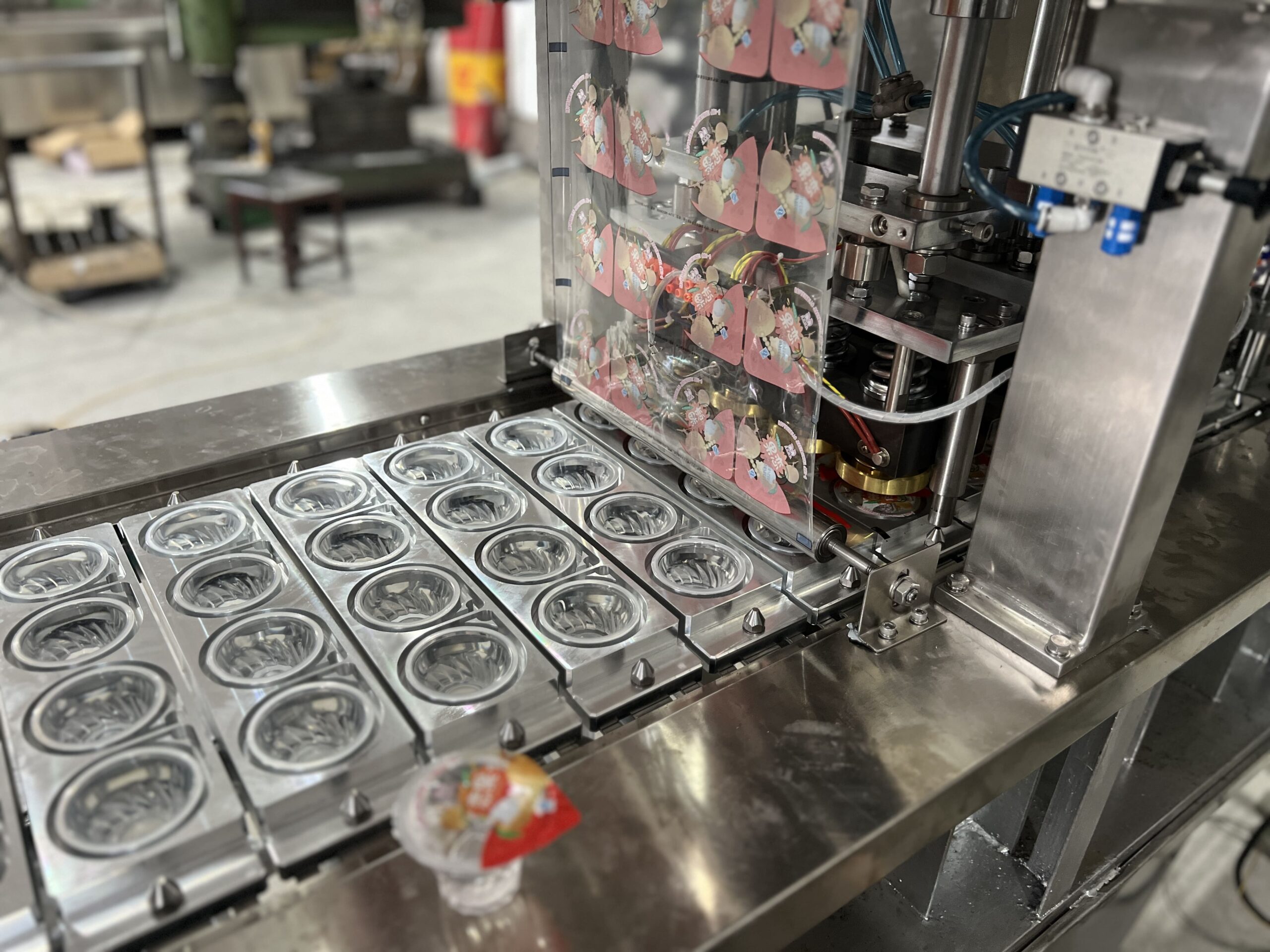
Cup diameter affects how many cups can fit on the machine template. If the cup mouth is small, more cups can be arranged per cycle. If the cup mouth is large, fewer cups can fit because each cup needs more width, more spacing, and larger sealing and cutting tooling.
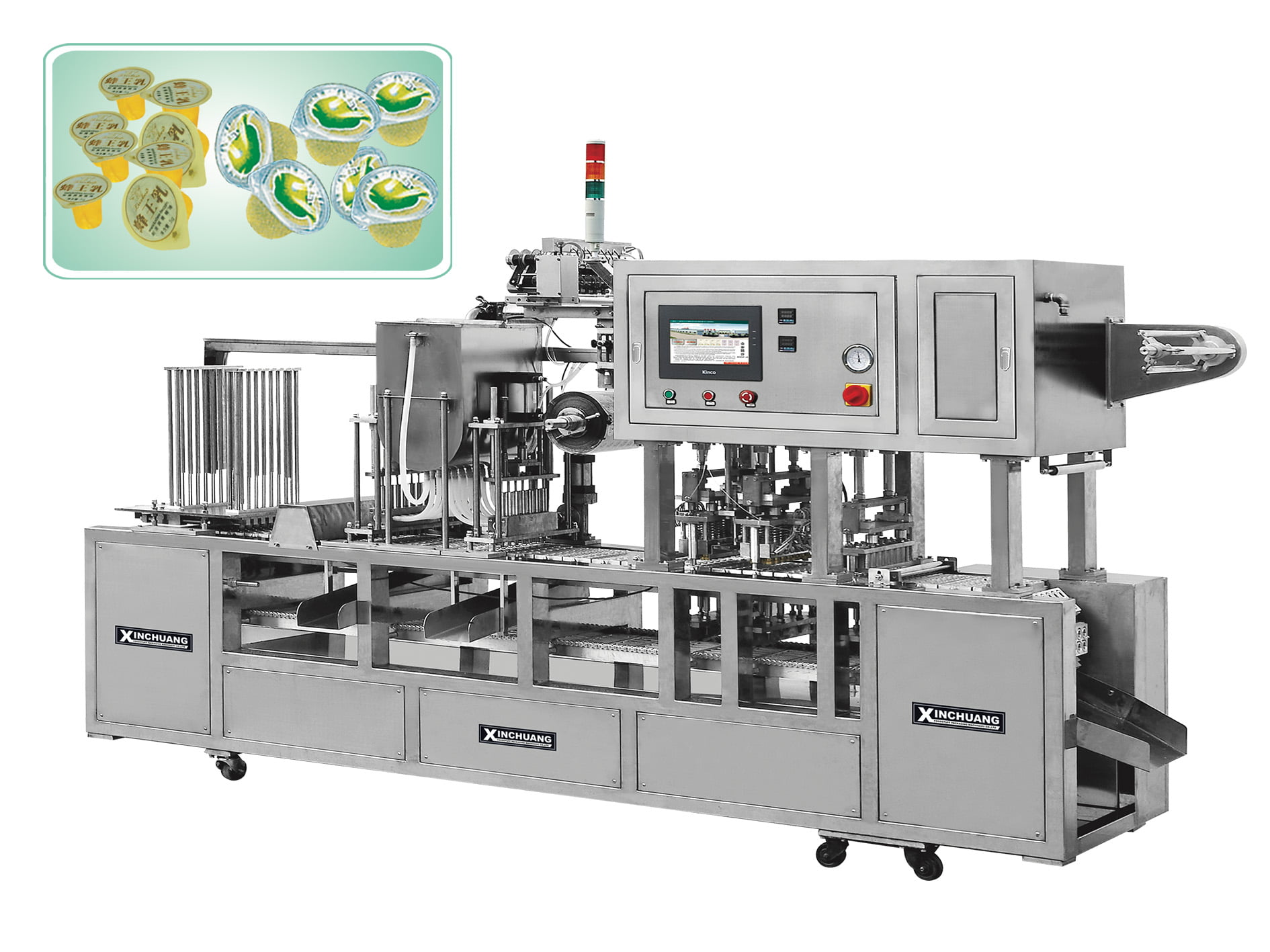
For regular 38 mm jelly cups, a high-output configuration may be designed up to one cycle with 48 cavities, with hourly output close to 60,000 cups depending on final configuration and production conditions. For 60 mm cups, the practical upper cavity count may be around 20 cavities, with output around 25,000 cups per hour depending on final design.
These numbers should be read as factory planning examples, not universal promises. The actual output still depends on cup material, cup stack quality, filling volume, jelly viscosity, sealing film, machine configuration, operator rhythm, and whether the downstream pasteurizer, cooling line, drying section, and packing area can match the machine speed.
Example output logic by cup diameter
| Cup Mouth Diameter | Possible Cavity Direction | Example Hourly Output Direction | Planning Note |
|---|---|---|---|
| 38 mm regular jelly cup | Up to about 48 cavities depending on design | Close to 60,000 cups/hour depending on configuration | Suitable for high-output small cup projects |
| 60 mm jelly cup | Up to about 20 cavities depending on design | Around 25,000 cups/hour depending on configuration | Larger cup diameter reduces cavity count |
| Other cup sizes | Must be calculated from real cup sample | Cannot be confirmed by diameter alone | Confirm cup, filling volume, film, and layout |
How does filling volume affect machine speed?
Cup diameter is not the only factor. Filling volume also affects output because larger volume needs more filling time. If the machine needs to fill more jelly into each cup, the filling station may need a longer dwell time to maintain accuracy and avoid splashing, dripping, or rim contamination.
The machine’s overall speed is strongly related to filling time. A larger jelly cup volume usually means the machine must spend more time at the filling station, so the real hourly output may be lower than a smaller-volume cup with the same diameter.
Jelly product condition also matters. Some jelly formulas flow easily. Some are thicker. Some may have nata de coco, fruit pieces, or other inclusions. A product with higher viscosity or particles may require a different filling system and slower filling rhythm. This affects the final output estimate.
For this reason, sample checking is important. Buyers should provide cup samples, filling volume, jelly formula direction, viscosity condition, filling temperature, and whether particles are included. The output should be confirmed after reviewing the real application.
Why must sealing and cutting be included in output planning?
Jelly cups need stable sealing. A machine can only run at a speed that still allows reliable film placement, sealing pressure, sealing temperature, dwell time, cutting, and discharge. If the machine runs too fast for the sealing material, leakage, wrinkles, weak peel, or film waste can occur.
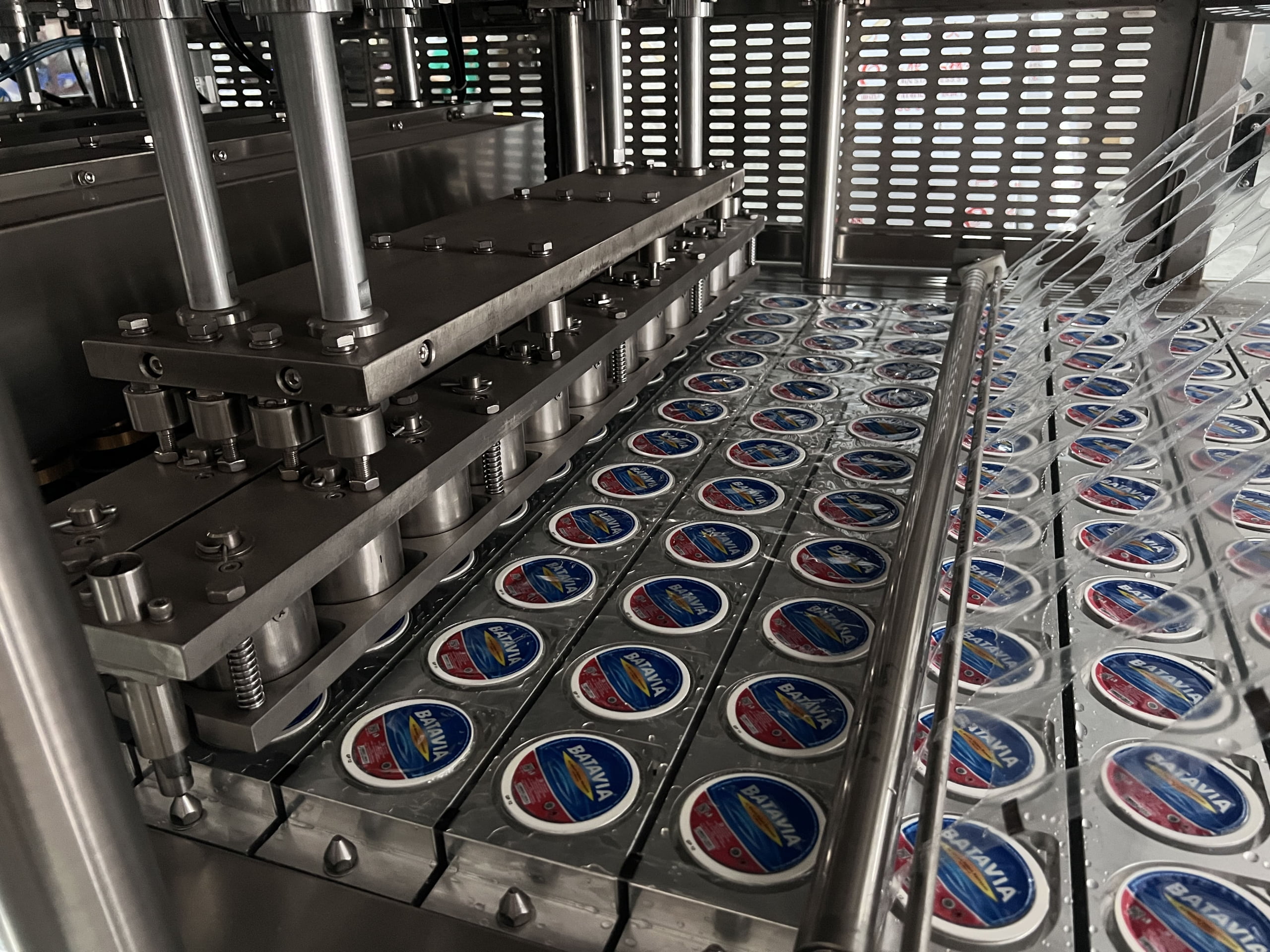
Output should never be separated from sealing quality. A higher capacity machine must still keep the cup rim clean, film aligned, sealing pressure stable, and cutting position accurate.
This is especially important for jelly because the product may be sticky. If the rim is contaminated during filling, sealing quality can be affected. If sealing is weak, downstream pasteurization, cooling, packing, and transportation may expose the problem later.
How should buyers match downstream line capacity?
For jelly cup production, the filling and sealing machine is only one part of the full line. If the buyer uses pasteurizer, cooling line, drying section, conveyor, inspection, or carton packing, those sections must match the filling machine output. A 60,000 cups/hour filling machine is not useful if the pasteurizer or packing area can only handle a lower capacity.
Before choosing a high-output jelly cup machine, buyers should confirm whether the pasteurizer, cooling line, drying section, and packing labor can follow the same production rhythm.
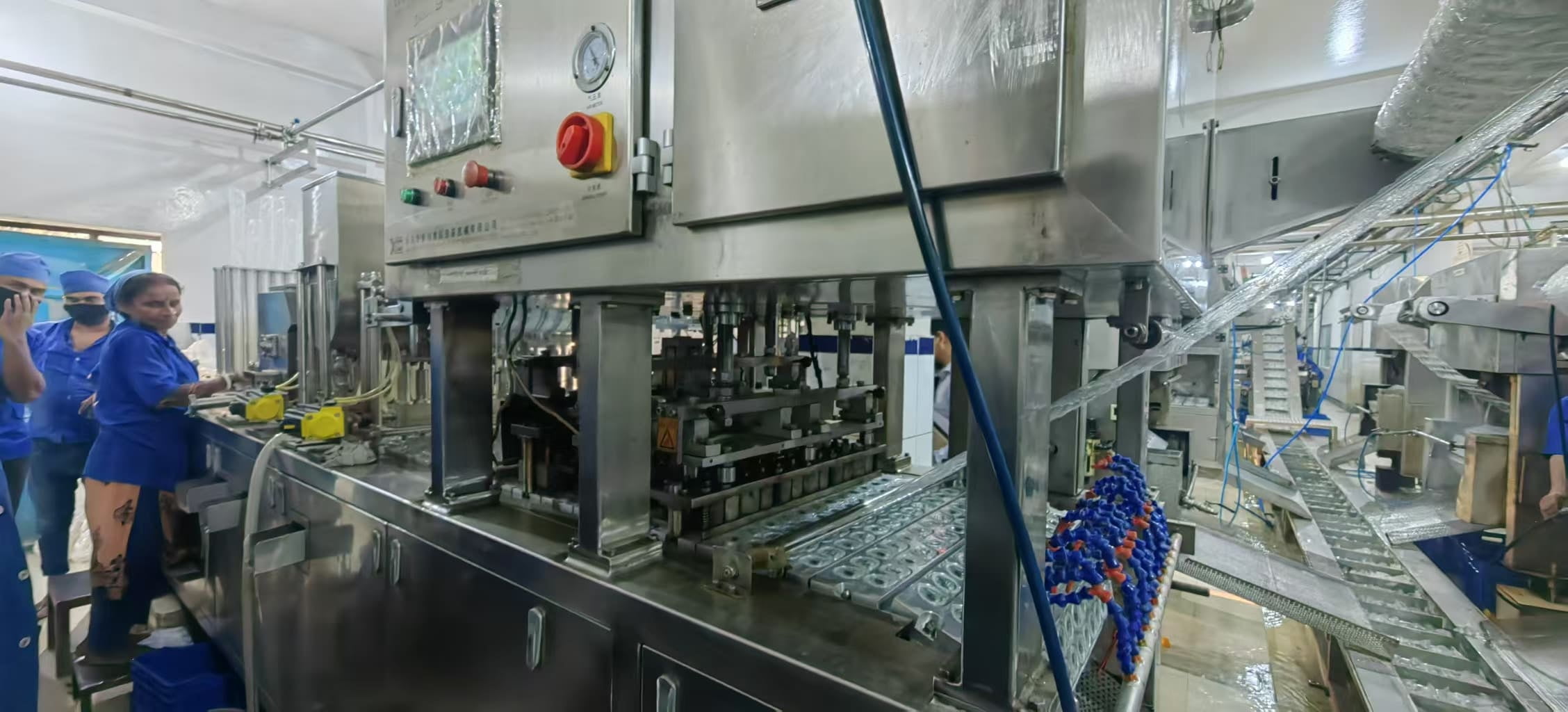
| Line Section | Why It Affects Real Output | Buyer Check |
|---|---|---|
| Cup dropping | Unstable cups reduce actual speed | Check cup stack quality and stiffness |
| Filling | Large volume or thick jelly needs more time | Confirm filling volume and viscosity |
| Sealing and cutting | Film must seal and cut cleanly at speed | Test real cup and sealing film |
| Pasteurizer and cooling | Downstream process must match machine capacity | Calculate line size after filling output is selected |
| Packing | Manual packing can become the bottleneck | Plan labor or automation early |
Buyer Checklist: What information is needed for an output estimate?
Before requesting output confirmation, buyers should prepare cup mouth diameter, cup height, cup material, cup stack sample, filling volume, jelly viscosity, sealing film sample, target output, downstream process plan, workshop layout, and future cup sizes.
The best way to estimate jelly cup output is to send the real cup and product details. Without cup diameter and filling volume, any output number is incomplete.
Not suitable when: a buyer wants one fixed machine output without confirming cup size, filling volume, sealing film, downstream line capacity, or packing method. In that case, the quotation may look simple but fail to match the real factory.
Factory Insight: How should buyers understand high output?
High output is not only a bigger number on a quotation. It is the result of cup diameter, cavity count, filling volume, filling time, sealing rhythm, machine layout, downstream line matching, and operator arrangement. A smaller 38 mm jelly cup can reach a much higher cavity count than a 60 mm cup. This is why two jelly projects can have very different output even when both use linear cup filling and sealing machines.
For related planning, buyers can read how to plan a jelly cup production line, whether jelly cup products need a pasteurizer and cooling line, why cup size affects a cup filling and sealing machine, and how to choose a linear cup filling and sealing machine.
Conclusion
Jelly cup filling and sealing machine output is mainly decided by cup diameter and filling volume. A 38 mm regular cup may allow a high-cavity design such as up to 48 cavities and output close to 60,000 cups per hour depending on configuration. A 60 mm cup may be limited to around 20 cavities and about 25,000 cups per hour depending on final design.
Buyers should treat these as planning examples, not fixed promises. The final output should be confirmed according to real cup samples, filling volume, jelly viscosity, sealing film, machine layout, pasteurizer and cooling line capacity, packing method, and future expansion plan.
- A production line must balance filling, sealing, downstream processing, and packing; the slowest section can decide real output. Return
- Heat sealing requires enough time, temperature, and pressure to create a stable seal at the target speed. Return
- Viscosity affects filling time, nozzle design, dripping, and machine rhythm. Return
- Polypropylene is common for jelly cups, but cup stiffness and rim quality still need sample checking. Return
- Pasteurization and cooling lines must be sized to match the filling machine output when shelf-life processing is required. Return