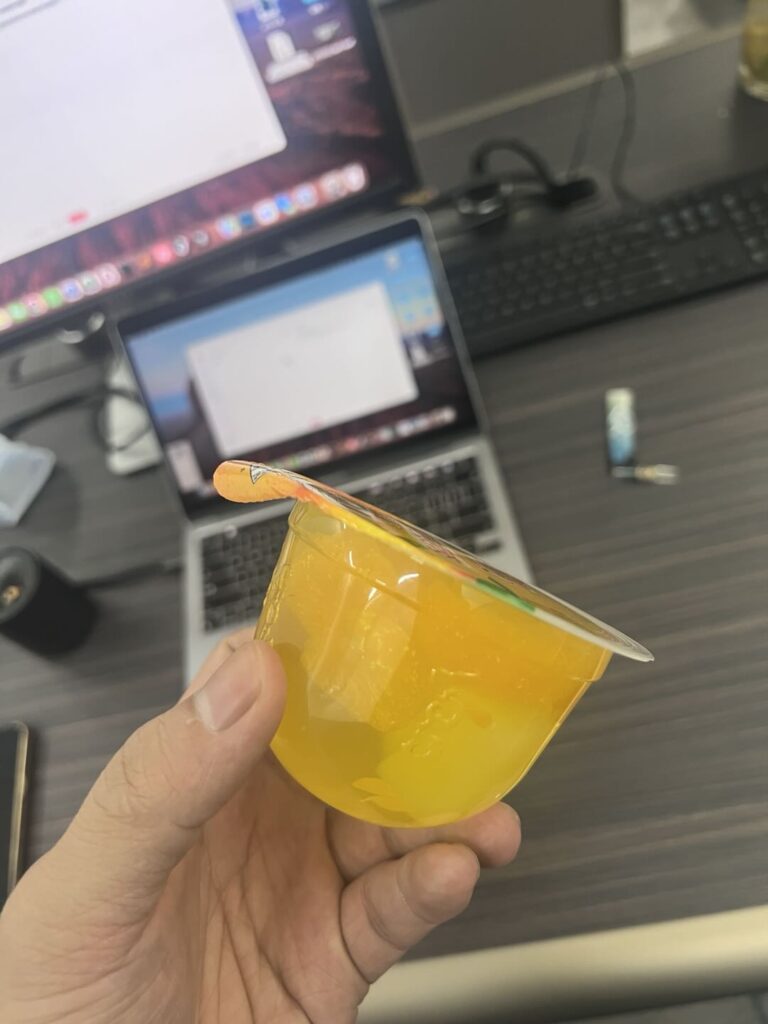
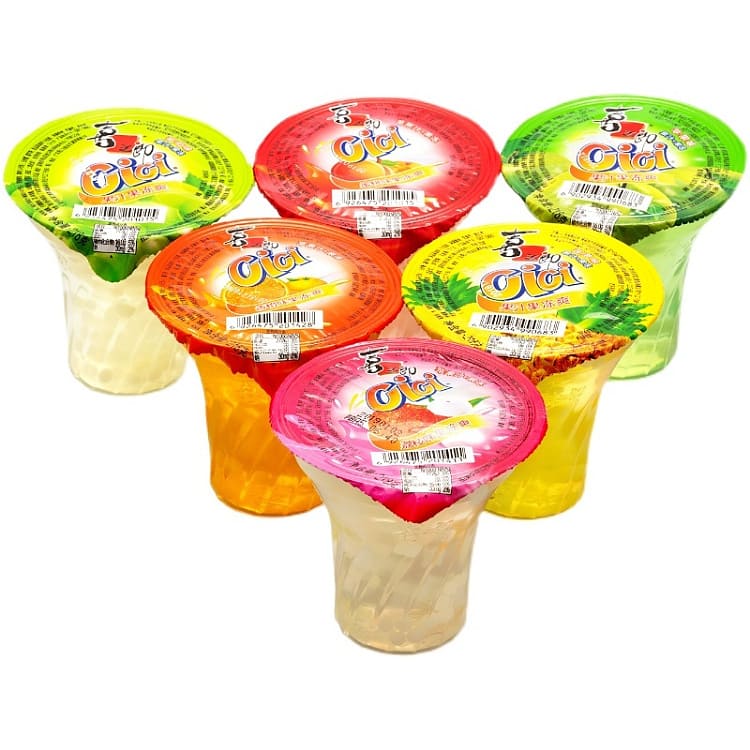
Many jelly cup buyers focus first on the filling and sealing machine. That is understandable because filling and sealing is the visible center of the line. But for commercial jelly cup production, the question after sealing is just as important: should the finished cups pass through a pasteurizer, cooling line, and drying section?
The direct answer is: in most commercial jelly cup projects, the sealed jelly cups should pass through a pasteurizer line, then cooling and drying, so the production process becomes a closed and controlled line. The pasteurizer helps reduce microorganisms related to the cup, inner cup area, sealing film, and finished package surface. Cooling and drying then prepare the product for packing and help support longer shelf-life planning, often with a target around 12 months depending on formula, process, packaging, and storage conditions.
At Guangdong Xinchuang Machinery Industry Co., Ltd., we usually explain that a jelly cup filling and sealing machine is only one part of the full production logic. After filling and sealing, the product may still need thermal treatment, controlled cooling, surface drying, inspection, and carton packing. If the buyer wants a more stable commercial shelf-life target, the downstream line should be discussed before the machine layout is finalized.
Some technical terms are useful for this topic. Pasteurization1 is a controlled heat treatment concept. Heat sealing2 is the process that closes the cup with film. Polypropylene3 is a common plastic cup material. Heat transfer4 explains why cooling is a real process step, not only a waiting period. Shelf life5 depends on formula, processing, packaging, and storage together.
Quick Answer: Why does jelly need pasteurization after sealing?
Jelly cup products are usually filled into plastic cups and sealed with film. Even when the filling machine is well built, the empty cup, the inside of the cup, the sealing film, and the finished package surface can still be possible contamination points. A pasteurizer line gives the factory a post-sealing heat treatment step to reduce microbial risk after the package is closed.
For jelly cup production, pasteurization is usually used after filling and sealing because the product is already inside the final package. This helps treat the sealed cup as a finished unit and supports shelf-life planning more effectively than only focusing on the filling station.
This does not mean every jelly project uses the same temperature, time, or line length. The correct process depends on the jelly formula, cup size, filling volume, cup material, film material, target shelf life, and local food safety requirement. Final process parameters should be confirmed by the buyer’s product testing and technical team.
What does the pasteurizer, cooling, and drying line do?
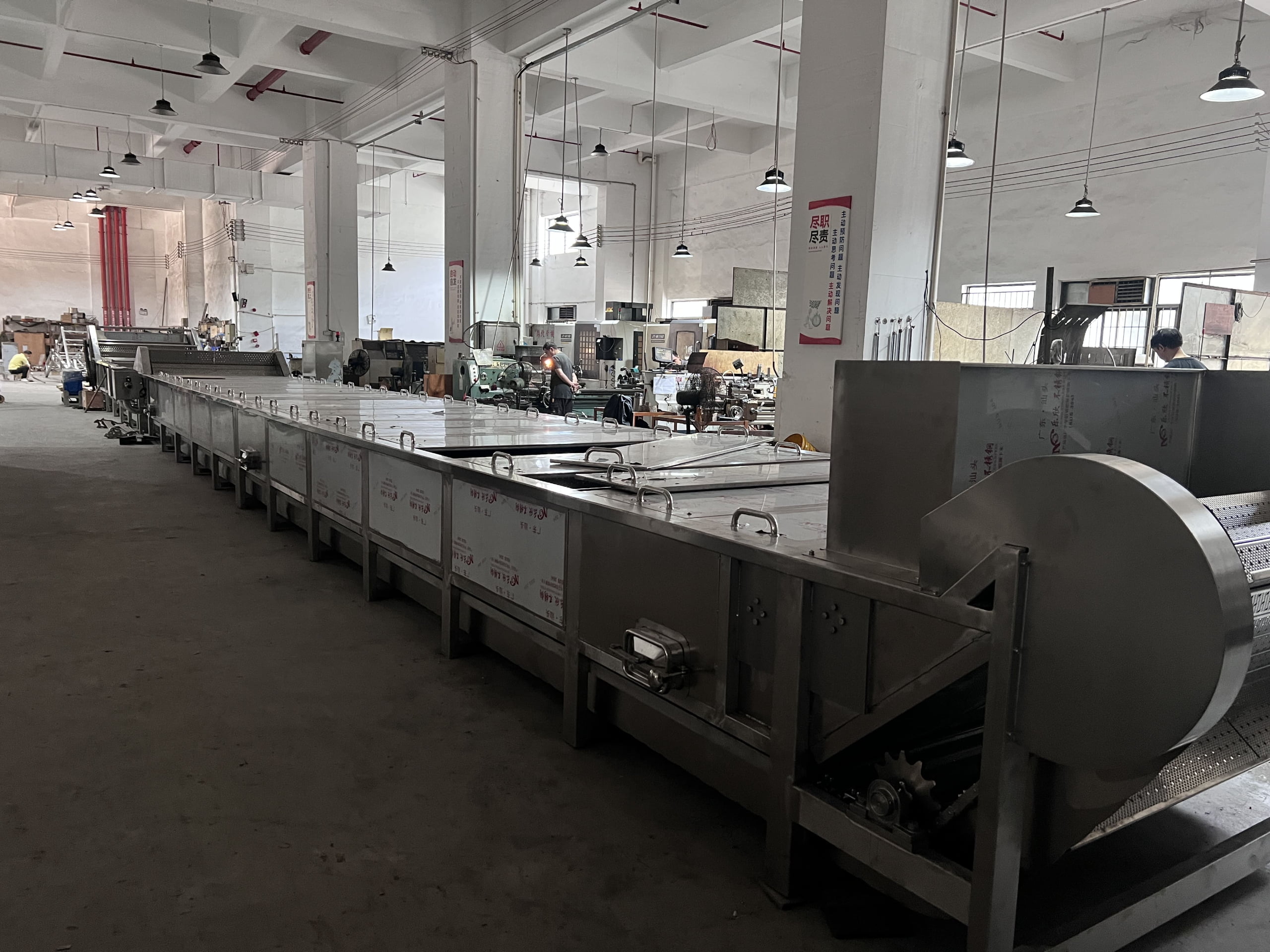
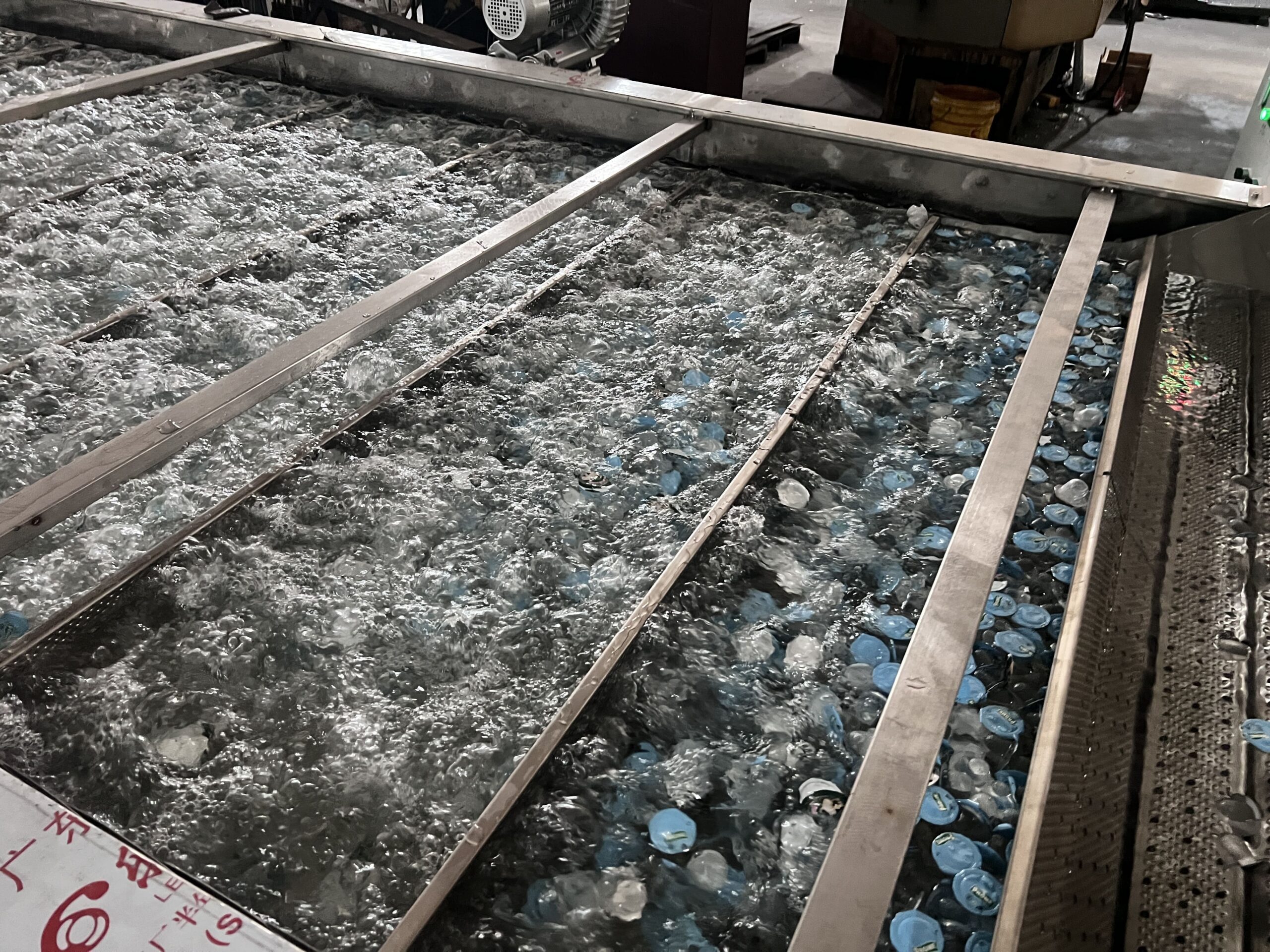
The downstream line should be understood as a sequence, not as three separate optional machines. First, sealed jelly cups enter the pasteurization section. Then they move into cooling, so product temperature is reduced in a controlled way. After cooling, the cup surface normally needs drying before coding, labeling, carton packing, or storage.
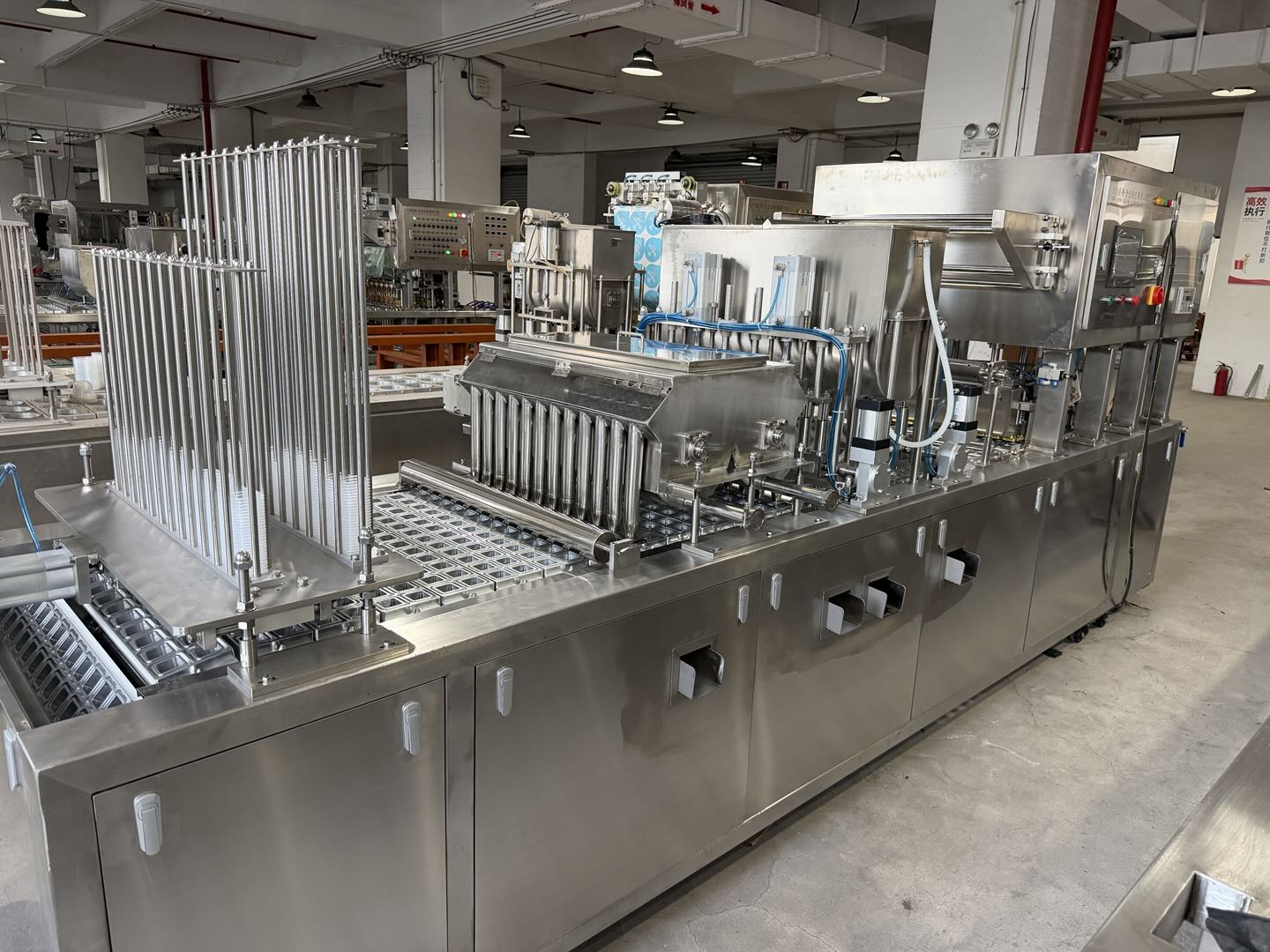
The practical goal is to create a closed line: fill, seal, pasteurize, cool, dry, inspect, and pack. If one step is missing or undersized, the whole line can become unstable even if the filling and sealing machine itself runs well.
Drying is easy to underestimate. If the cups leave the cooling section with water on the surface, packing becomes messy. Cartons can become wet. Date coding or labeling may be affected. Workers may need extra manual wiping or waiting time. A drying section helps reduce this problem and makes the finished product easier to pack.
Typical role of each downstream section
| Section | Main Purpose | Buyer-Side Check |
|---|---|---|
| Pasteurizer line | Heat treatment for sealed jelly cups | Confirm product formula, cup material, filling volume, and target shelf life |
| Cooling line | Reduce product and package temperature after heating | Confirm cooling method, line length, workshop water condition, and output |
| Drying section | Remove surface water before packing | Check carton packing, coding, labeling, and labor arrangement |
| Conveyor connection | Keep product moving between machines | Match filling speed, pasteurizer speed, and packing rhythm |
| Packing area | Prepare finished product for carton packing and storage | Leave enough space for operators, cartons, inspection, and temporary staging |
How does shelf-life planning affect the line design?
Many jelly buyers want a long shelf life because the product may be sold through supermarkets, distributors, export markets, or hot-climate regions. A common planning target can be around 12 months, but this should not be treated as a simple machine promise. Shelf life depends on formula, sugar level, acidity, preservatives if used, packaging quality, sealing strength, pasteurization process, cooling, storage, and final testing.
From a factory planning point of view, the pasteurizer and cooling line support longer shelf-life targets by reducing post-sealing microbial risk and stabilizing the finished package. However, the final shelf life must be validated by product testing, not assumed only from machine configuration.
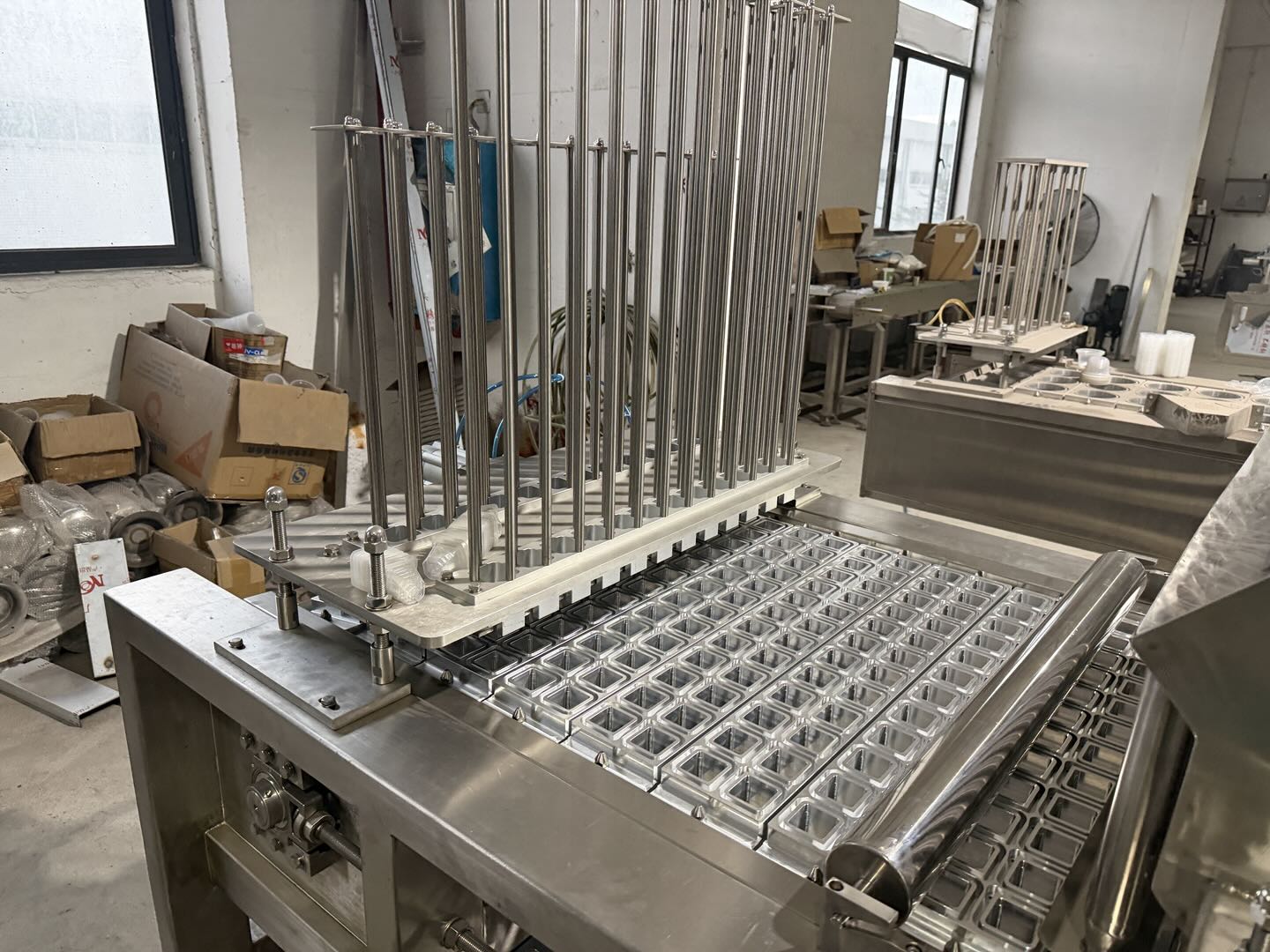
The filling station still matters. If jelly touches the cup rim before sealing, the seal may be weaker or less clean. If the filling volume is unstable, product may overflow during transport or heating. If the cup is too soft for thermal processing, it may deform. A good shelf-life plan starts before the pasteurizer; it begins with cup selection, filling control, sealing quality, and package testing.
Buyers should also understand that pasteurization can affect product texture and package condition. Jelly formula, gel strength, filling temperature, cup thickness, and cooling speed should be checked together. The line should protect both food safety direction and finished product appearance.
When is a pasteurizer and cooling line not suitable?
Not suitable when: the buyer has not confirmed the jelly formula, cup material, sealing film, filling volume, or shelf-life target. In that situation, choosing a pasteurizer size too early can create wrong investment, wrong line length, or wrong thermal process assumptions.
A pasteurizer and cooling line may also be unsuitable when the product or package cannot tolerate the required heat and cooling process. Some cups may deform. Some films may lose sealing strength. Some products may change texture. This is why real cup samples, film samples, and product samples should be checked before final design.
Another limitation is factory space. A complete line needs more length than a filling machine alone. Buyers should plan space for pasteurizer, cooling, drying, conveyors, drainage, water handling, electrical cabinets, packing tables, and maintenance access. If the workshop is too small, the line may need a different layout or a lower output target.
Buyer Checklist: What should be confirmed before quotation?
Before requesting a jelly cup line quotation, buyers should prepare the product formula direction, target filling volume, cup diameter, cup height, cup material, sealing film sample, target output, target shelf life, cooling method, drying requirement, packing method, workshop layout, water supply, drainage, voltage, and future expansion plan.
The most useful buyer question is not only “How much is the jelly cup machine?” It is “What shelf life do I need, and what complete process is required after filling and sealing to reach that target?”
| Item to Confirm | Why It Matters | Factory Planning Note |
|---|---|---|
| Target shelf life | Decides whether downstream thermal processing is needed | Use testing to validate the final shelf-life claim |
| Jelly formula | Affects heat tolerance, viscosity, and microbial risk | Confirm acidity, sugar level, gel strength, and particles if any |
| Cup and film material | Must tolerate sealing, heating, cooling, and handling | Send real samples before final machine design |
| Filling and sealing quality | Weak seals reduce the value of pasteurization | Check rim cleanliness, sealing pressure, and film match |
| Output per hour | Decides pasteurizer and cooling line size | Downstream capacity must match filling speed |
| Workshop utilities | Water, drainage, power, and space affect layout | Plan drainage and maintenance access early |
Factory Insight: Why should the line be planned as a closed process?
In real jelly cup production, buyers sometimes think the filling and sealing machine is the whole line. But if the product needs longer shelf life, the process should be viewed as a closed line. The package should be sealed, heat treated, cooled, dried, and packed without creating unnecessary handling gaps.
Our factory-side experience is that jelly cup buyers should discuss pasteurization, cooling, and drying at the same time as the filling and sealing machine. The purpose is to reduce contamination risk from the cup, cup inside area, and sealing film, then cool and dry the finished cups so the line can move smoothly into packing.
For related planning logic, buyers can review how to plan a jelly cup production line, compare the broader article on pasteurizer and cooling line decisions after cup filling and sealing, and understand why buyers should send samples before choosing a filling machine. If cup size is still changing, the article on why cup size affects a cup filling and sealing machine is also useful.
Conclusion
Jelly cup products usually need more than filling and sealing when the buyer is planning commercial shelf life. A pasteurizer line helps reduce microbial risk after the cup is sealed. A cooling line reduces temperature after heat treatment. A drying section prepares the finished cups for coding, labeling, carton packing, and storage.
For many jelly cup projects, a shelf-life target around 12 months may be discussed, but it must be supported by the right formula, cup and film selection, sealing quality, pasteurization process, cooling, drying, storage conditions, and product testing. The safest planning method is to design the filling machine, pasteurizer, cooling line, drying section, layout, utilities, and packing area as one complete production system.
- Pasteurization is a controlled heat treatment concept; exact time and temperature must be selected according to product and package requirements. Return
- Heat sealing closes the cup with film; weak sealing can reduce the value of downstream pasteurization. Return
- Polypropylene is commonly used for food cups, but each cup supplier and structure should be checked for heat resistance and sealing compatibility. Return
- Heat transfer affects both pasteurization and cooling; larger filling volume usually needs more careful process planning. Return
- Shelf life is the usable storage period of a product; for jelly cups, it depends on formula, processing, package, and storage together. Return