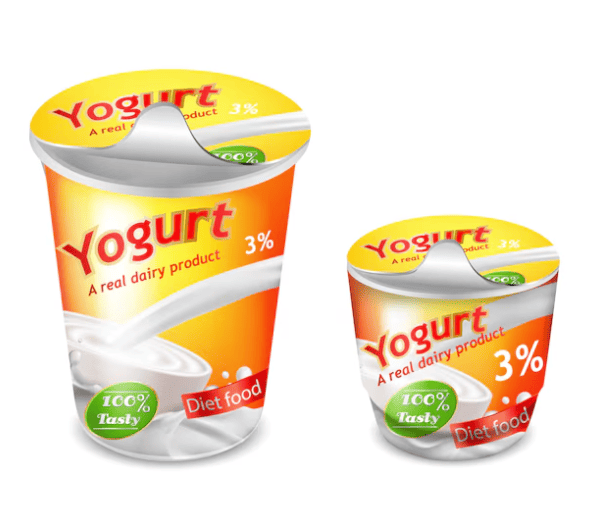
Ordering a yogurt cup filling and sealing machine should start with the product and package, not only the machine model. Yogurt is a dairy product, so filling accuracy, hygiene, cleaning, sealing quality, and sample testing all need to be confirmed before the machine configuration is finalized.
The direct answer is: buyers should confirm cup type, cup capacity, yogurt viscosity, whether fruit particles are included, filling temperature, CIP cleaning requirements, sealing film, target output, hygiene requirements, and sample testing before ordering a yogurt cup filling and sealing machine.
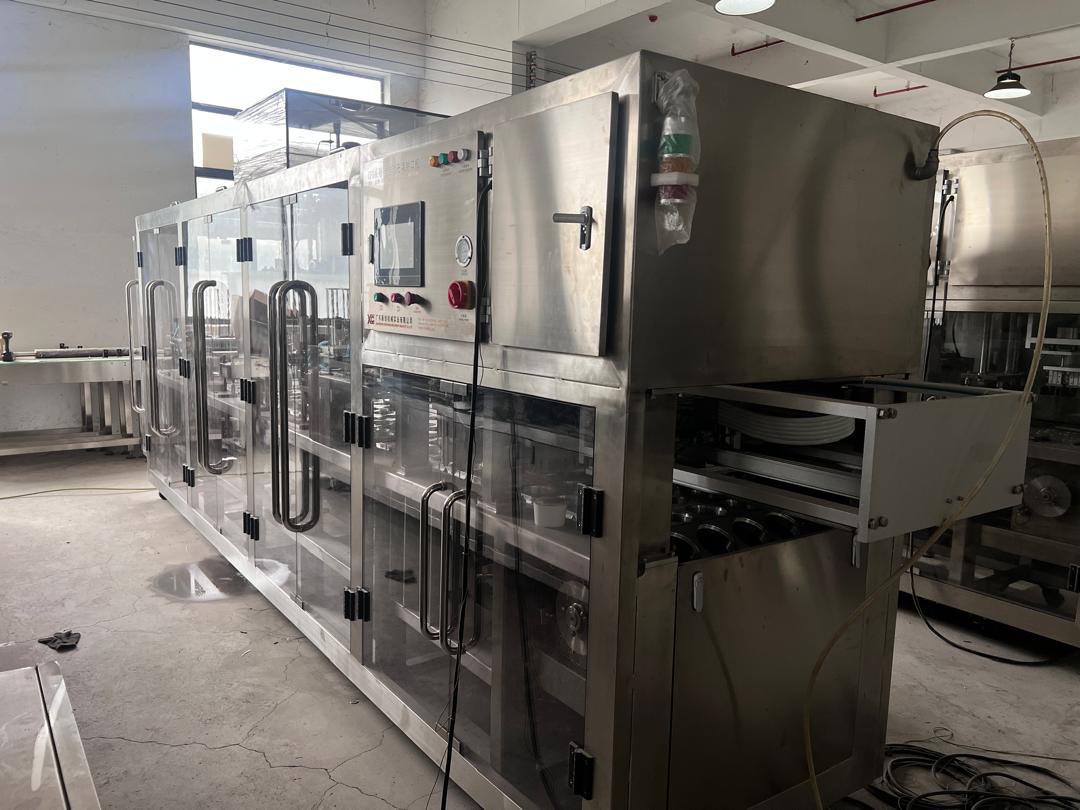
Guangdong Xinchuang Machinery Industry Co., Ltd. focuses on linear cup filling and sealing machine solutions. For yogurt projects, the machine is usually customized according to the cup diameter, filling volume, product condition, required hygiene level, and output target. If buyers provide incomplete information, the quotation may look simple but the final machine may not match the real factory requirement.
Useful technical terms include yogurt1, viscosity2, clean-in-place3, heat sealing4, and food contact materials5.
Quick Answer: What information should be confirmed first?
The first information should be the cup type, cup diameter, cup height, filling volume, sealing film, yogurt sample, target output, and whether the yogurt contains fruit particles or other inclusions. These details affect cup dropping, filling system, sealing structure, machine lanes, cleaning design, and output rhythm.
For a yogurt cup machine, “one machine fits all cups” is not a safe assumption. Cup size and product condition decide many machine details.
How do cup type and capacity affect the machine?
Cup type includes cup diameter, cup height, rim shape, cup material, cup stiffness, and stack quality. Cup capacity decides the filling volume and filling time. These two factors affect the template, cup dropping structure, filling spacing, sealing position, and final output.
Large cup diameter changes are not simple mold swaps. They may require changes to cup dropping, filling layout, sealing tooling, and machine rhythm.
| Buyer Information | Why It Matters | Machine Impact |
|---|---|---|
| Cup diameter and height | Defines cup handling and tooling | Cup dropping, template, sealing head |
| Filling volume | Controls filling time and pump sizing | Filling speed, output estimate |
| Cup rim quality | Affects sealing strength | Film alignment and sealing pressure |
| Cup stack quality | Affects automatic cup dropping | Stable feeding and less stoppage |
Why do viscosity, fruit particles, and temperature matter?
Yogurt viscosity affects flowability, filling accuracy, dripping, and cleaning. Drinkable yogurt, thick set-style yogurt, and yogurt with fruit particles do not behave the same way in the filling system. If fruit particles are included, the buyer should confirm particle size, amount, and whether particles need gentle handling.
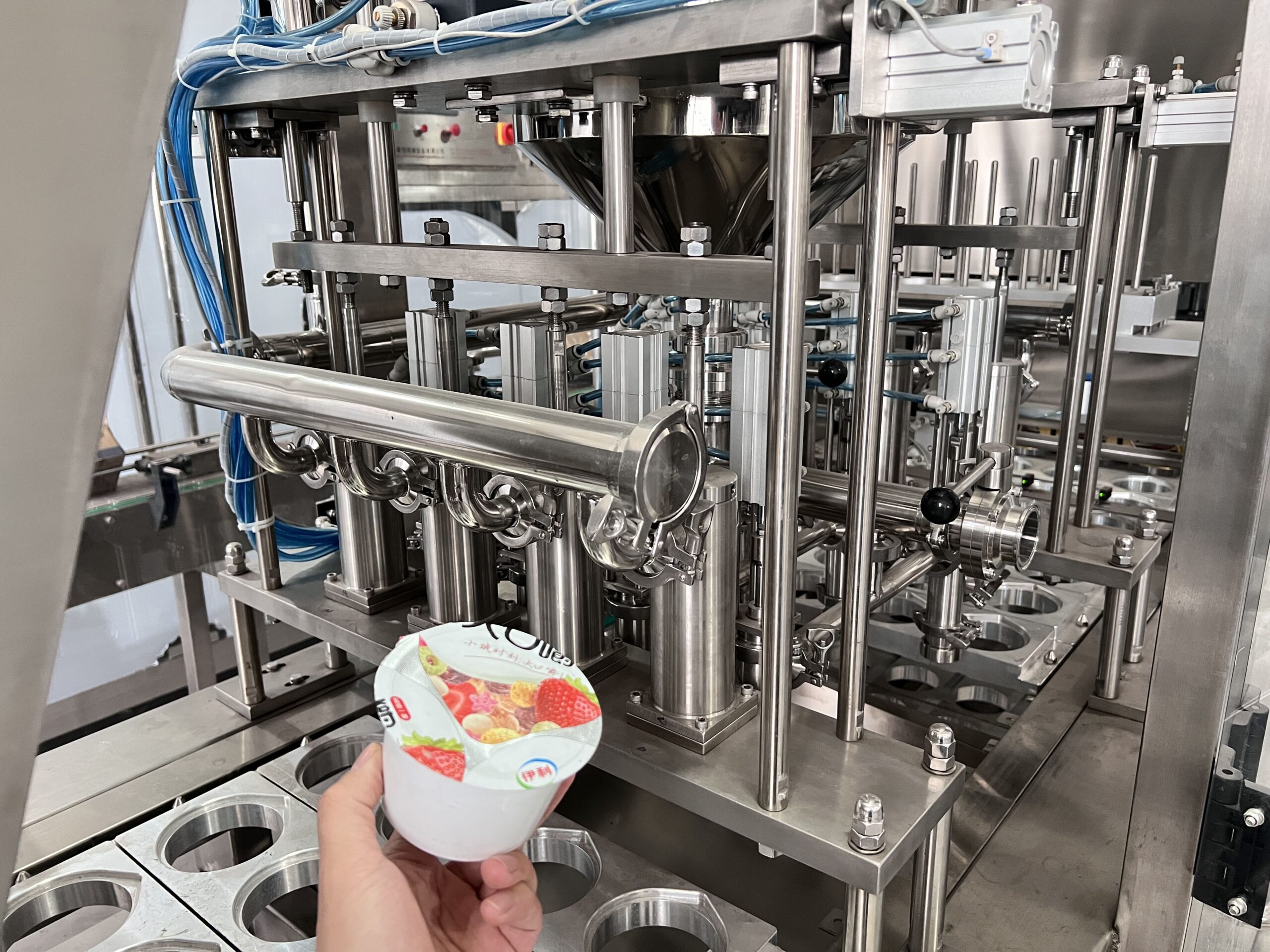
Buyers should send the actual yogurt sample when possible. If the product contains fruit particles, the sample should include the real particles, not only the base yogurt.
Filling temperature is also important. A product that flows well at one temperature may become thicker at another. If the factory fills chilled yogurt, the filling test should reflect that condition. If the product is filled warm and then cooled, the machine discussion should include that process.
What should buyers confirm about CIP and hygiene?
Yogurt has higher hygiene requirements than many simple drinks. Product-contact parts such as the filling hopper, pipelines, filling heads, and filling pump must be considered in the cleaning plan. CIP cleaning may be required depending on the factory process and hygiene standard.
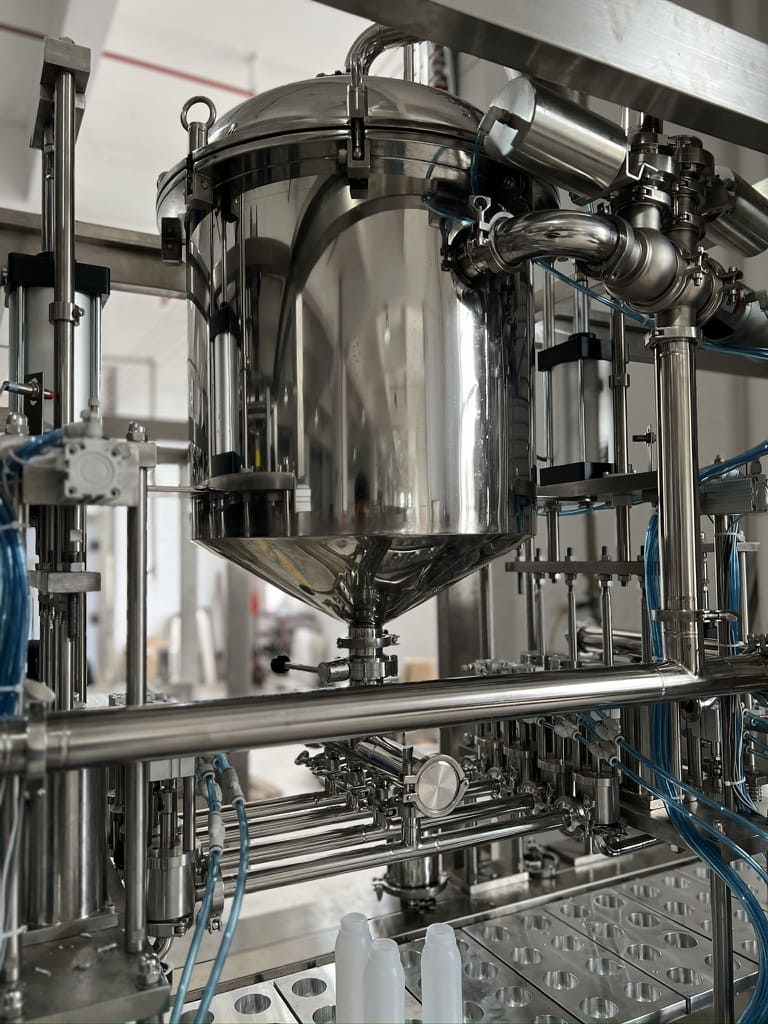
Do not ask only whether the machine has CIP. Confirm which parts are included: hopper, pipelines, filling heads, pump, valves, and connection points.
Cleaning is not only a machine option. Buyers should also consider product residue, cleaning frequency, operator access, drainage, and factory sanitation. If yogurt residue remains inside product-contact parts, it can affect taste, hygiene, and production stability.
How should sealing film and output be confirmed?
Sealing film must match the cup material and sealing conditions. Buyers should provide film samples or clear material details. Sealing temperature, pressure, dwell time, and cup rim condition all affect seal strength. Weak film or poor compatibility can cause leakage, wrinkles, or unstable sealing.
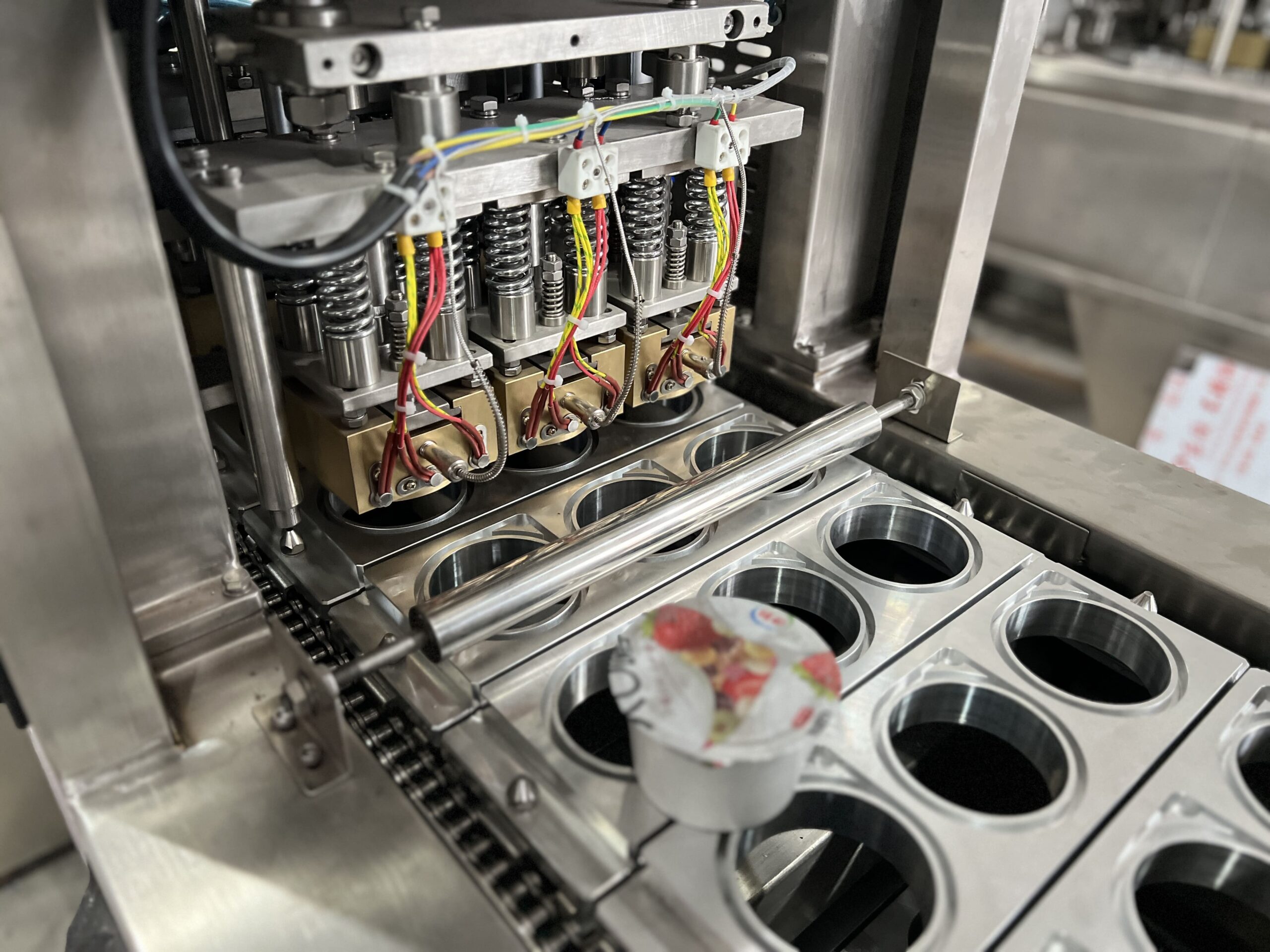
Output should be estimated after confirming cup size, filling volume, yogurt viscosity, sealing film, and lane configuration. The actual capacity depends on the full machine rhythm, not only the motor speed.
If the buyer plans future expansion, this should be discussed before ordering. Adding more capacity later may require a different lane count, longer machine layout, stronger utility supply, and different downstream packing plan.
Buyer Checklist
| Checklist Item | Confirm Before Quotation | Reason |
|---|---|---|
| Cup type | Diameter, height, rim, material, stack quality | Defines tooling and cup dropping |
| Capacity | Filling volume per cup | Affects filling time and output |
| Yogurt viscosity | Drinkable, thick, set-style, or other | Affects pump and nozzle choice |
| Fruit particles | Particle size and amount | Affects filling system and blockage risk |
| Filling temperature | Chilled, room temperature, or warm filling | Affects flowability and process design |
| CIP | Which product-contact parts are cleaned | Affects hygiene and daily operation |
| Sealing film | Film material and sample | Affects sealing quality |
| Output | Cups per hour and future expansion | Affects lane count and machine layout |
Not Suitable When
This ordering method is not suitable when the buyer cannot provide cup samples, sealing film information, filling volume, product condition, or target output. Without these details, the machine supplier can only give a rough direction.
It is also not suitable to confirm a yogurt cup machine only by price. If the product has high viscosity, fruit particles, special hygiene requirements, or strict sealing standards, the low-cost configuration may not match the real production need.
Factory Insight
From a factory-side view, the best yogurt cup machine discussion starts with samples and production conditions. Cup type, capacity, viscosity, fruit particles, filling temperature, CIP, sealing film, output, hygiene, and sample testing are not small details. They are the information that decides whether the machine configuration is correct.
The practical rule is: send the cup, film, and yogurt sample early. The more real the sample information, the more accurate the machine design, output estimate, and quotation will be.
Related articles: why yogurt cup machines need CIP cleaning, choosing a yogurt cup filling machine for chilled dairy products, why buyers should send samples, and why cup size affects cup filling machines.
Conclusion
Before ordering a yogurt cup filling and sealing machine, buyers should confirm cup type, capacity, yogurt viscosity, fruit particles, filling temperature, CIP cleaning, sealing film, output, hygiene requirements, and sample testing. These details affect the machine configuration, not only the quotation document.
Final design should be confirmed after reviewing real cup samples, sealing film, yogurt product condition, target output, cleaning requirements, and factory operation plan.
- Yogurt is a dairy product, so hygiene and residue control are important in filling equipment. Return
- Viscosity affects filling speed, dripping, pump choice, and cleaning difficulty. Return
- Clean-in-place can help clean product-contact paths, but the actual scope depends on machine design. Return
- Heat sealing depends on film, cup rim, pressure, temperature, and dwell time. Return
- Food contact materials should be reviewed for parts that directly touch yogurt. Return