What Affects the Cost of a Jelly Cup Filling and Sealing Machine?
A jelly cup filling and sealing machine cannot be priced accurately from the words “jelly machine” alone. Two projects may both pack cup jelly, yet require different machine widths, filling systems, feeding stations, control components, and downstream equipment.
Quick Answer: The cost of a jelly cup filling and sealing machine is mainly affected by required output, cup size, single-color or two-color jelly, coconut jelly feeding, cup and product shape, machine construction, control-system brands, and the required level of automation. A reliable quotation should therefore be based on product and packaging samples, not only a target price.
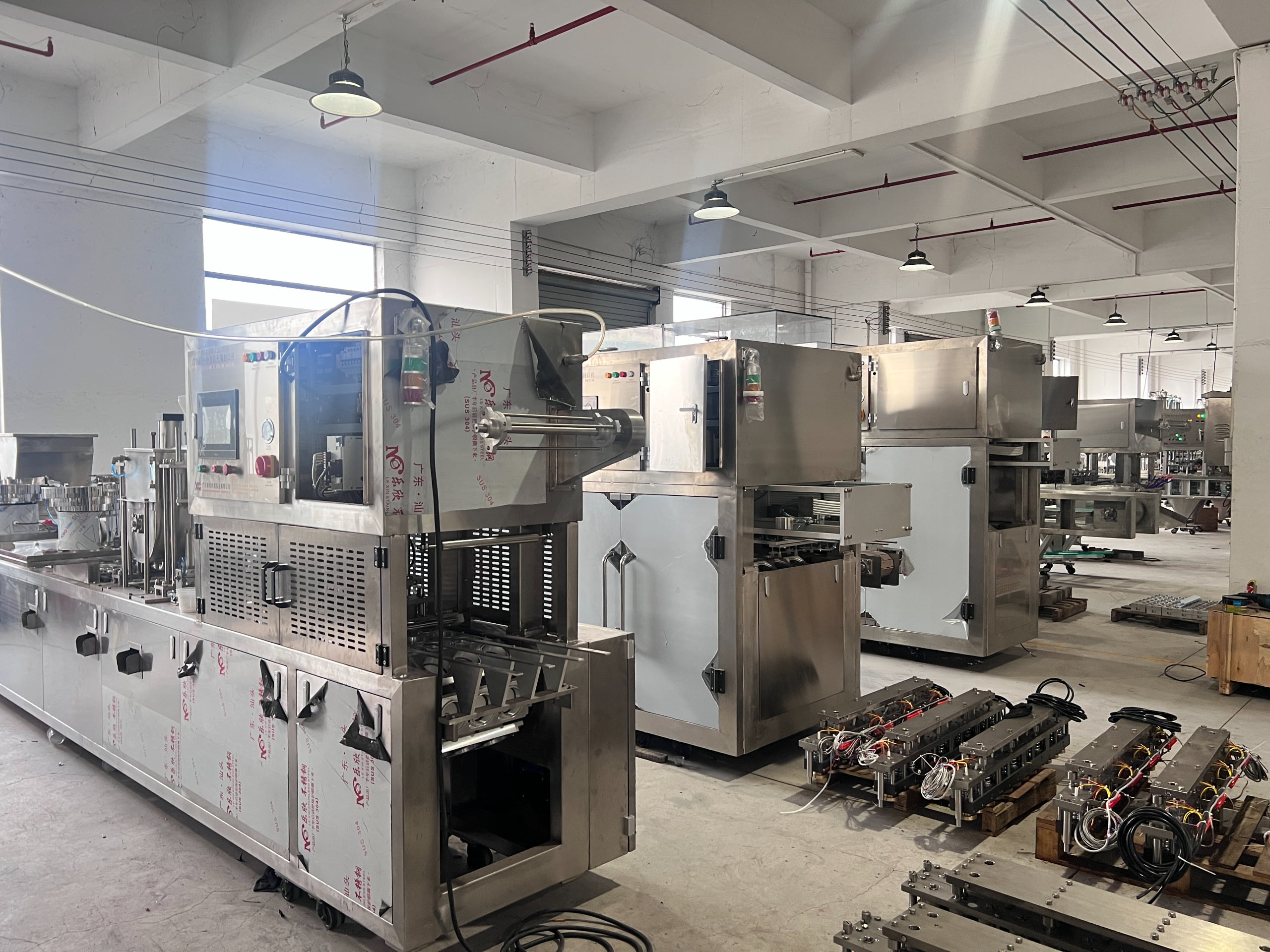
The useful question is not “What is the cheapest jelly cup machine?” It is “Which configuration is necessary for my product, and which options can be removed without creating production problems?” The following cost drivers help a factory prepare a clearer request for quotation.
1. Output and Cup Size Define the Machine Platform
Required output changes lanes, cavities, and machine width
Output is usually the first major cost driver. A higher target output may require more lanes or cavities, additional filling nozzles, a wider machine frame, stronger drive components, and more complex cup-handling and sealing structures. The final choice also depends on filling volume, product flow, sealing time, and downstream line speed.
A higher nominal cycle speed is not automatically a better purchase. If the filling section, coconut feeder, sealing station, cooling tunnel, or packing workers cannot keep up, the complete line will not achieve the expected usable output. Buyers should state required cups per hour, working hours per shift, shifts per day, and expected future expansion. For more detail, see how jelly cup machine output is calculated.
Cup dimensions affect more than the mold
Cup diameter, height, rim shape, filling volume, wall stiffness, and stack condition all affect the machine. A larger cup can reduce the number of cups arranged across the machine. An unusual rim may require a customized holding plate and sealing tool. A tall or unstable cup may need additional support during transport.
Large changes in cup diameter are not always simple mold changes. They can affect the automatic cup dropper, lane spacing, filling position, film placement, sealing position, cutting tool, machine width, and output rhythm. This is why a supplier should check real empty cups and sealing film before final design. The related guide on how cup size affects a cup filling and sealing machine explains this limitation in more depth.
| Cost driver | What may change in the machine | What the buyer should provide |
|---|---|---|
| Required output | Lane count, cavity count, nozzle quantity, drive system, frame width, downstream matching | Cups per hour, filling volume, shifts, future capacity target |
| Cup size | Cup dropper, mold, spacing, sealing tool, cutting tool, machine width | Physical cups, dimensional drawing, stacking sample, sealing film |
| Jelly style | Number of filling systems, tanks, pumps, nozzles, filling sequence, machine length | Single-color or two-color sample, recipe, filling temperature, layer requirement |
| Added pieces | Coconut jelly or fruit-piece feeder, dosing mechanism, extra station, cleaning access | Particle size, shape, quantity per cup, syrup condition, sample material |
2. Product Style and Shape Can Add Entire Stations
Single-color and two-color jelly are different projects
A single-color jelly normally needs one main liquid filling system. A two-color product may require two tanks, pumps, filling groups, and a controlled filling sequence. The second color may be layered, divided, or combined in another visual pattern. Each result can require different nozzle positioning and timing.
Therefore, two-color jelly can increase the machine length and control complexity. It can also increase cleaning and changeover work because two product circuits must be managed. The final arrangement should be confirmed after checking the recipe, viscosity, filling temperature, and desired finished appearance. A photograph alone is not enough to design the filling system.
Coconut jelly and fruit pieces require controlled feeding
If each cup needs coconut jelly pieces, the project may need a dedicated particle-feeding station before liquid filling. The feeder must suit the piece size, shape, surface condition, and target quantity per cup. Material that bridges, sticks together, or varies greatly in size can reduce dosing consistency.
Fruit pieces can be more difficult because they may be soft, irregular, and easy to damage. The buyer should send representative samples and state whether pieces are mixed in syrup or fed separately. Adding coconut jelly or fruit is not simply adding another hopper. It can change machine length, station sequence, cleaning access, and line speed.
“Jelly shape” can mean two different things
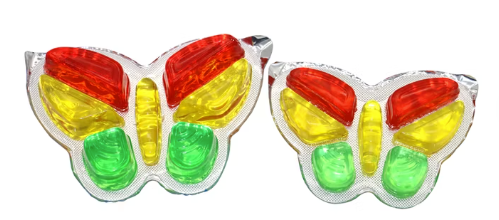
Buyers sometimes use “shape” to describe the jelly inside a normal cup, and sometimes to describe the package itself. These are different engineering questions. If decorative jelly pieces are placed inside a standard cup, the filling and feeding stations may need customization. If the finished package is a butterfly, snake, stick, or other non-cup shape, a linear preformed cup machine may not be the correct packaging technology at all.
This distinction should be made before quotation. Otherwise, the supplier may quote a cup machine while the actual product requires form-fill-seal equipment, a blowing process, or another special packaging system. The article on jelly products suitable for a linear cup filling and sealing machine provides a practical application boundary.
3. Machine Materials and Control Brands Change Cost and Service Strategy
Full stainless steel versus selected stainless-steel areas
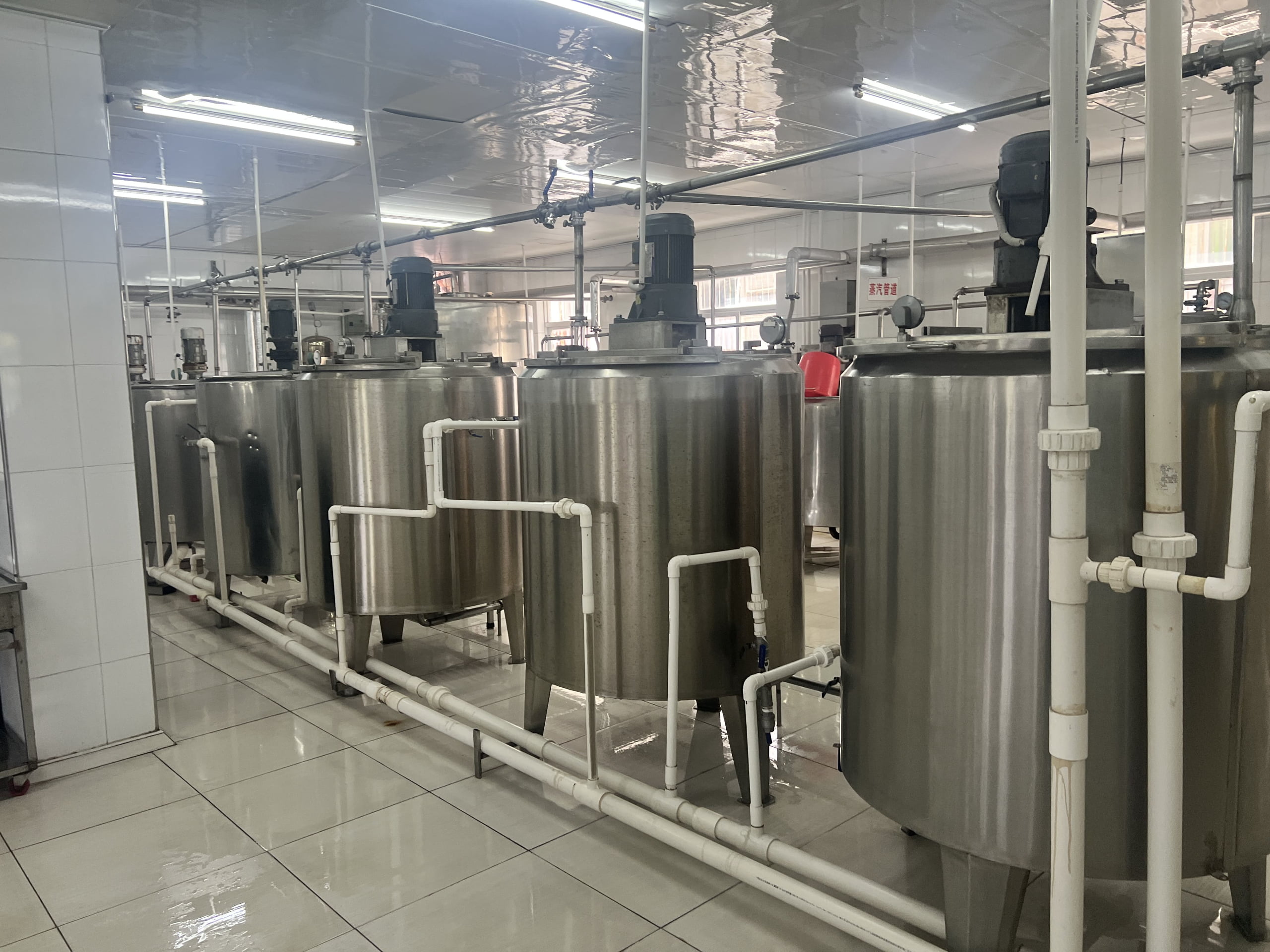
A quotation should clearly define what “stainless steel machine” means. One configuration may use stainless steel for the main frame, guards, product-contact parts, and exposed covers. Another may use stainless steel only for product-contact parts and selected areas, with other structural parts made from coated material.
Food factories should evaluate cleaning method, factory humidity, jelly spills, corrosion exposure, product-contact risk, and local hygiene requirements. Stainless steel is widely used in food-processing equipment because suitable grades and finishes can support cleanability and corrosion resistance.1 However, “more stainless steel” is not a complete specification. Buyers should confirm material grade, surface finish, product-contact scope, frame construction, guard material, and documentation. Different stainless grades also have different corrosion performance depending on the environment.2
Imported and Chinese control brands have different commercial tradeoffs
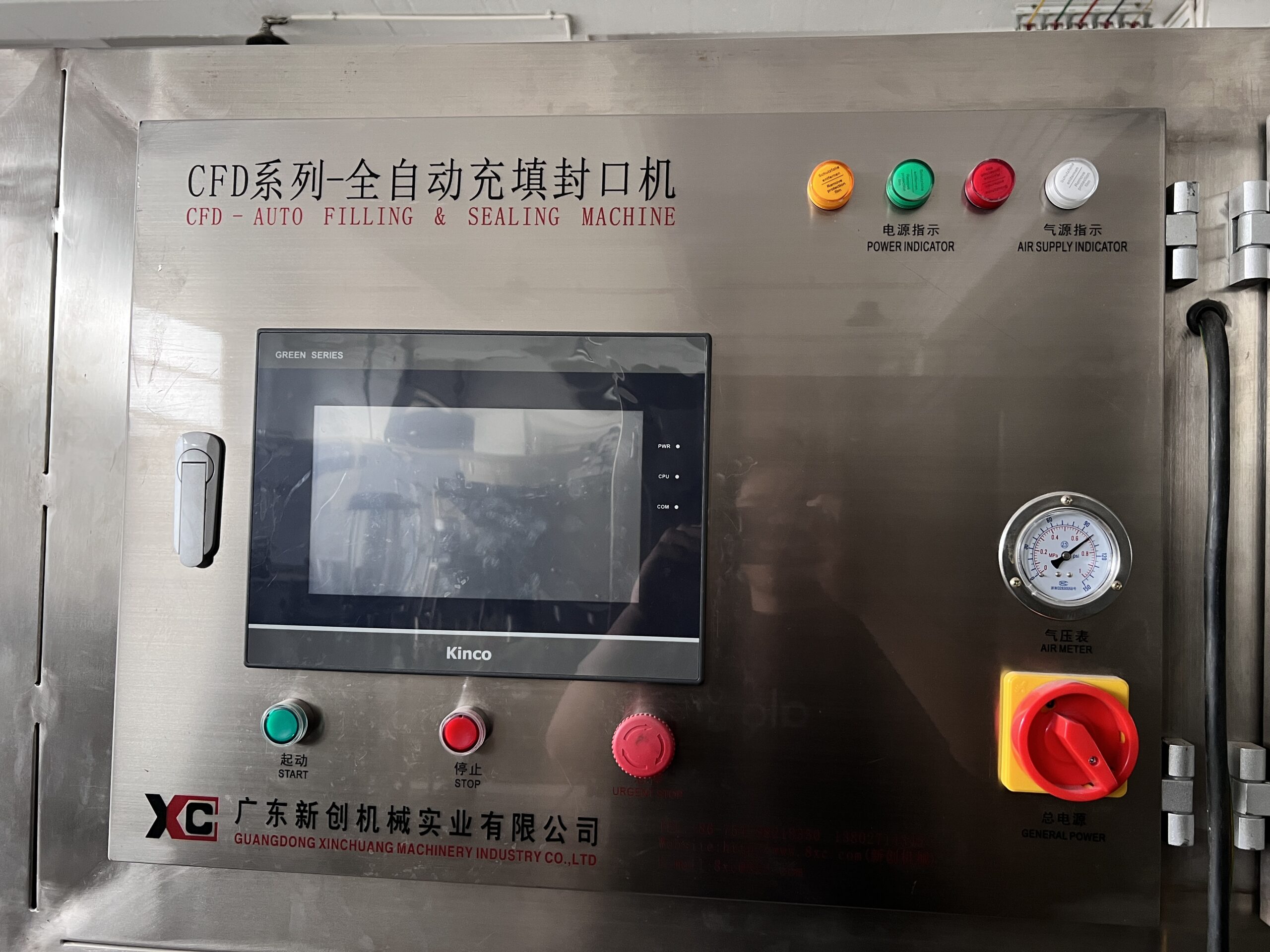
PLC, HMI, servo drives, sensors, pneumatic components, and electrical parts can be specified with international brands or Chinese domestic brands. International brands may be preferred when the buyer already standardizes spare parts across a factory, requires specific programming software, or has local technicians familiar with that platform. Siemens, for example, offers PLC families for different levels of automation and control complexity.3 Mitsubishi Electric also provides multiple PLC families covering compact and larger control applications.4
Chinese domestic components may reduce initial cost and can be practical when the buyer has local access to spares and technicians. The decision should not be reduced to “imported is always better” or “domestic is always cheaper.” The real questions are availability in the destination country, replacement lead time, software access, technical support, electrical standards, and the factory’s maintenance capability.
4. Automation Level and Project Boundary Must Be Defined
A highly automated jelly cup machine can include automatic cup dropping, liquid filling, coconut jelly feeding, sealing-film placement, date coding, cutting, and cup discharge. Each station adds hardware, controls, guarding, commissioning work, and spare parts. Removing a station may reduce the machine price, but it can increase labor or create inconsistent production.
The buyer should also confirm what is outside the filling and sealing machine. A complete jelly cup line may include a cooking tank, transfer system, pasteurization equipment, cooling tunnel, conveyors, drying, inspection, and secondary packing. Hygienic design choices should consider intended use, cleaning method, and contamination risk throughout the equipment lifecycle.5
Do not compare two quotations until their project boundaries are aligned. One quotation may include only the filling and sealing machine. Another may include product preparation, cooling, coding, conveyors, installation support, spare parts, and export packing. A lower total may simply contain fewer items. The guide on planning a jelly cup production line can help buyers separate machine cost from complete-line investment.
| Quotation item | Minimum confirmation | Why it matters |
|---|---|---|
| Product and cup samples | Cup, film, jelly, coconut or fruit pieces | Confirms handling, dosing, sealing, and cutting feasibility |
| Machine construction | Frame, guards, product-contact parts, stainless grade and finish | Prevents vague “stainless steel” comparisons |
| Control components | PLC, HMI, servo, sensors, pneumatics, voltage and frequency | Affects price, maintenance, diagnostics, and spare parts |
| Automation scope | Cup drop, filling, piece feeding, film, coding, cutting, discharge | Defines labor needs and station count |
| Downstream line | Pasteurization, cooling, conveying, drying, packing | Determines whether the quote is for one machine or a complete line |
Buyer Checklist
- Confirm the required cups per hour and future expansion target.
- Send physical cups, sealing film, dimensional drawings, and stacking samples.
- State whether the jelly is single-color or two-color and provide the desired finished appearance.
- Confirm whether coconut jelly or fruit pieces must be added, including size and quantity per cup.
- Clarify whether “shape” means the cup shape, decorative pieces inside the cup, or a non-cup package.
- Define full stainless-steel or selected stainless-steel construction and specify product-contact requirements.
- List preferred PLC, HMI, servo, pneumatic, and electrical brands, or allow equivalent options.
- Confirm date-coding method, voltage, frequency, compressed air, and factory layout.
- State whether pasteurization, cooling tunnel, conveyors, and secondary packing are included.
- Request a written list of included stations, spare parts, services, and exclusions.
Not Suitable When
A standard linear jelly cup filling and sealing machine may not be suitable when the package is not a preformed cup, the finished jelly requires a shaped form-fill-seal or blowing process, the cup cannot be stacked for automatic dropping, or large particles cannot pass through the proposed feeding system. It may also be unsuitable when the buyer expects one fixed machine to handle many very different cup diameters without substantial change parts or structural modification.
In these cases, the product and package should be rechecked before quotation. The correct answer may be a different packaging process, separate machines, or a narrower range of cup formats.
Factory Insight
From the machine builder’s side, the most expensive mistake is often not choosing a higher specification. It is confirming the price before confirming the product. Output, cup size, single-color or two-color filling, coconut jelly feeding, product shape, stainless-steel scope, and component brands all change the design.
The best cost-control method is to freeze the product specification early. Decide which features are essential for the first production stage and which can be planned as future expansion. Send samples before final design, compare quotations station by station, and confirm the complete line boundary. This produces a more useful investment decision than comparing a single total price.
Conclusion
The cost of a jelly cup filling and sealing machine depends on what the machine must actually do. Capacity and cup size define the platform. Single-color or two-color products change the filling system. Coconut jelly and fruit pieces add feeding requirements. Product shape can determine whether a cup machine is suitable at all. Stainless-steel scope, control brands, automation, and downstream equipment then define the final commercial package.
For an accurate quotation, Guangdong Xinchuang Machinery should first receive the cup and film samples, product details, target output, factory utilities, preferred components, and complete-line requirements. Final design should be confirmed after sample checking.
Footnotes
- World Stainless: Food and beverage industry – overview of stainless-steel selection, cleanability, fabrication, and food-processing applications. Back
- World Stainless: Commercial food equipment and stainless-steel corrosion resistance – explains how grade and service environment affect corrosion performance. Back
- Siemens SIMATIC Controller Selection Guide – official overview of PLC options for different automation and motion requirements. Back
- Mitsubishi Electric MELSEC programmable controllers – official PLC family and engineering-software overview. Back
- EHEDG Guideline 8: Hygienic Design Principles – risk-based hygienic-design considerations for food equipment and facilities. Back